
Wed Apr 01 10:37:27 UTC 2026: # Delhi Mayor’s Office Targeted with Bomb Threat Amidst Political and Legal Turmoil
The Story:
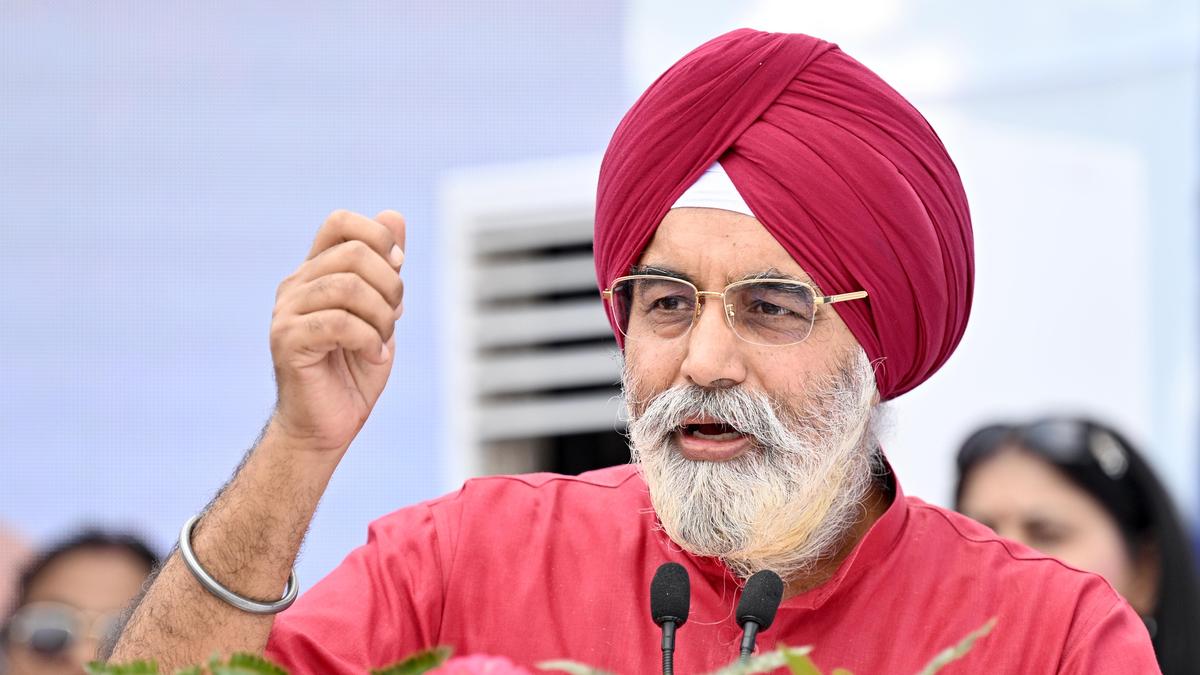
The office of Delhi Mayor Raja Iqbal Singh received a bomb threat via email on Wednesday, April 1, 2026. The email, purportedly sent by a group identifying itself as the ‘Khalistan National Army,’ prompted immediate action from security agencies. Security around the mayor’s office was tightened, and thorough checks are underway.
Key Points:
- The bomb threat was received via email on April 1, 2026.
- The email sender identified as ‘Khalistan National Army.’
- Security agencies were immediately alerted.
- Security around the mayor’s office has been tightened.
- Thorough checks are in progress.
Critical Analysis:
The bomb threat against the Delhi Mayor’s office occurs amidst a backdrop of other significant events, including judicial criticism of news platforms and individuals, investigations into a plane crash involving a political figure, and corruption cases involving public officials. While the events may not be directly related, the timing suggests a period of heightened political and legal tension in India, potentially creating an environment where such threats are more likely to occur. The mention of the ‘Khalistan National Army’ also potentially links the threat to separatist movements, adding another layer of complexity.
Key Takeaways:
- The threat raises immediate security concerns for the Delhi Mayor and his staff.
- The incident underscores the ongoing challenges of political extremism and potential threats to public figures.
- The timing of the threat within a context of other high-profile legal and political events suggests a broader sense of instability or heightened tension.
- The incident highlights the importance of robust security measures for public officials.
Impact Analysis:
The bomb threat could have several significant impacts. First, it could lead to increased security measures for all public officials in Delhi and potentially across India. Second, it could exacerbate existing political tensions and contribute to a climate of fear and uncertainty. Third, it could prompt a renewed focus on investigating and addressing the activities of extremist groups such as the ‘Khalistan National Army.’ Long-term, this incident could contribute to a hardening of political discourse and a decrease in public trust.
 First Piper