
Wed Apr 01 17:27:28 UTC 2026: ### Headline: Soaring Fuel Prices Trigger Economic Ripple Effects in India
The Story:
On April 1, 2026, state-run oil marketing firms in India significantly increased the prices of commercial liquified petroleum gas (LPG) cylinders and aviation turbine fuel (ATF). Commercial LPG prices rose by over 10% in major metro cities, while international ATF prices more than doubled. Domestic ATF prices saw a smaller increase of nearly 9%. In response, IndiGo, a major domestic airline, hiked its fuel surcharge, with international flights seeing a much steeper increase than domestic flights. The government defended the hikes, citing the burden on oil marketing companies (OMCs) due to surging global oil prices linked to the ongoing U.S.-Israeli war against Iran.
Key Points:
- Commercial LPG cylinder prices increased significantly in major cities: Delhi (₹195.5), Mumbai (₹196), Chennai (₹203), and Kolkata (₹218).
- ATF prices for international flights more than doubled, reaching ₹2.07 lakh per kilolitre in Delhi.
- Domestic ATF prices increased by approximately 8.6% to ₹1,04,927 per kilolitre in Delhi and Mumbai.
- IndiGo increased its fuel surcharge up to ₹950 for domestic flights and ₹10,000 for international flights.
- The government attributes the price hikes to the U.S.-Israeli war against Iran, which has caused a surge in global crude oil prices.
- The government claims OMCs are absorbing losses of ₹380 per cylinder of LPG.
Critical Analysis:
The timing and magnitude of these price hikes, coupled with the government’s explanation, point to a direct correlation between geopolitical events and domestic economic policy. The U.S.-Israeli war against Iran is cited as the primary driver, suggesting India’s vulnerability to external shocks in the energy market. The differentiated ATF pricing strategy – higher for international flights – indicates an attempt to shield domestic travel from the full impact of the crisis, likely to mitigate potential economic disruption. The timing of the second LPG price hike is also impacting the hotel industry.
Key Takeaways:
- Geopolitical instability directly impacts India’s energy prices and economy.
- The Indian government is attempting to balance the burden on OMCs with the need to maintain affordable domestic travel.
- Airlines are passing increased fuel costs onto consumers through surcharges.
- Commercial LPG price deregulation makes businesses vulnerable to global market fluctuations.
- The Strait of Hormuz is a critical choke point for global LPG supply, impacting India’s energy security.
Impact Analysis:
The long-term implications of these price hikes include:
* Increased inflation: Higher fuel costs will likely lead to increased prices for goods and services, impacting consumer spending and overall economic growth.
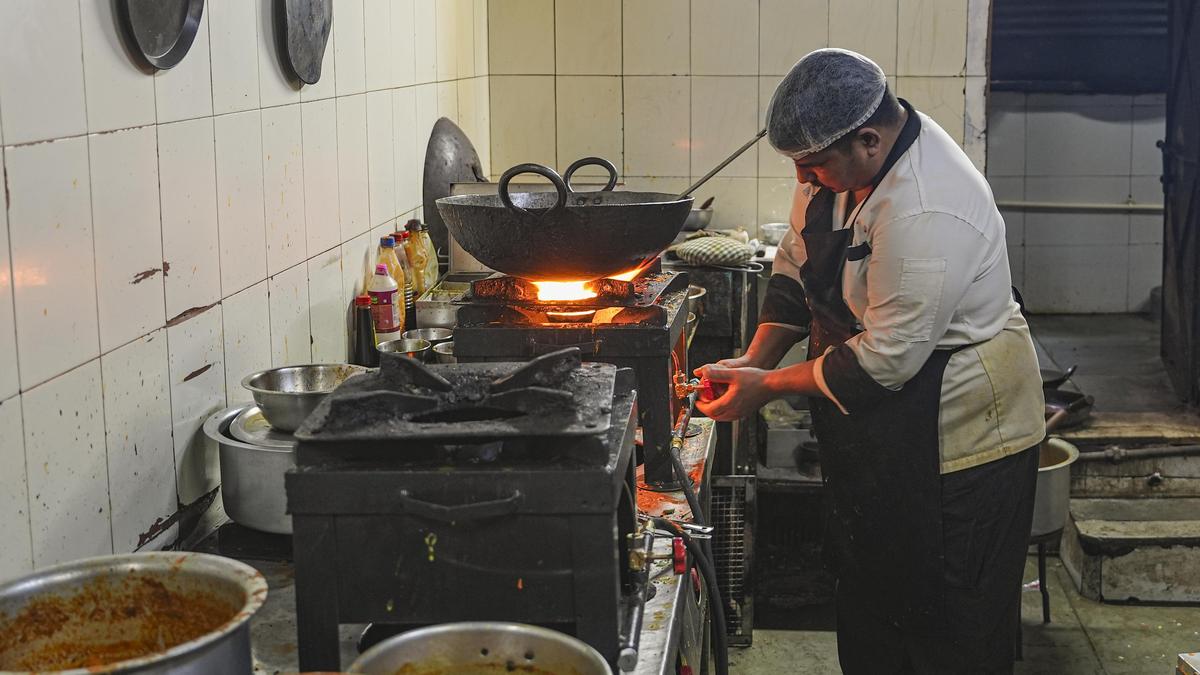
* Impact on tourism and hospitality: Increased airfares could deter international tourists, while higher LPG prices will increase operating costs for hotels and restaurants.
* Pressure on OMCs: Continued high global oil prices could further strain the financial health of state-run OMCs, potentially requiring government bailouts or further price increases.
* Shift in travel patterns: Consumers may opt for shorter domestic trips or alternative modes of transportation to avoid high airfares.
* Economic hardship for small businesses: Businesses heavily reliant on commercial LPG, such as small restaurants and food vendors, may struggle to absorb the increased costs, potentially leading to closures.
 First Piper