
Wed Apr 01 04:00:49 UTC 2026: # Commercial LPG Prices Skyrocket in India Amid West Asia Conflict Fallout
The Story:
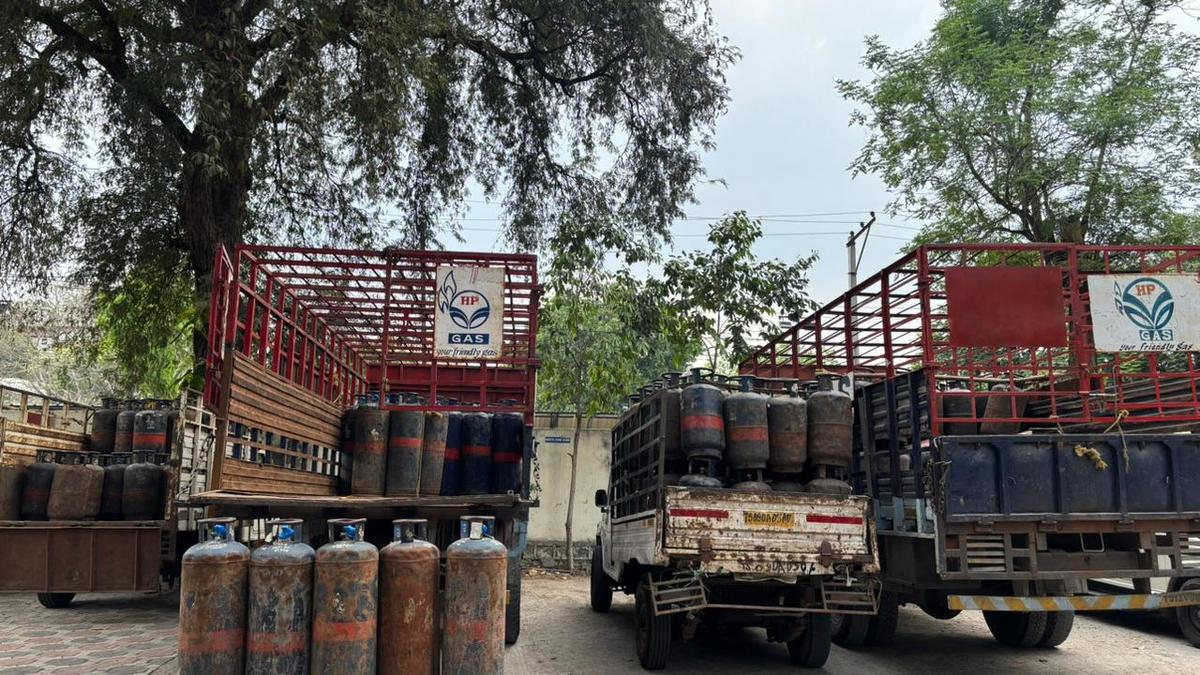
On Wednesday, April 1, 2026, state-owned oil marketing companies in India, including Indian Oil Corporation, Hindustan Petroleum Corporation, and Bharat Petroleum Corporation, increased the price of commercial 19 kg Liquefied Petroleum Gas (LPG) cylinders with immediate effect. The price hike, exceeding ₹200 in most markets, comes as businesses are already grappling with a crunch caused by the ongoing war in West Asia and its disruption of key maritime routes. Domestic 14.2 kg LPG cylinder prices remain unchanged, providing some relief to households.
Key Points:
- Commercial LPG cylinder prices increased across India on April 1, 2026.
- The price increase was implemented by Indian Oil Corporation, Hindustan Petroleum Corporation, and Bharat Petroleum Corporation.
- Domestic LPG cylinder prices were not affected by this revision.
- The price hike is attributed to the ongoing war in West Asia and its impact on maritime routes.
- In Hyderabad, a commercial cylinder now costs ₹2,321, an increase of ₹214.50.
- Commercial LPG allocation had been gradually increased from 20% to 70% over the past month.
- Hyderabad has 17,613 commercial LPG connections, with current bookings at 8,900, higher than the usual 6,404.
Critical Analysis:
The timing of the price hike, immediately following the outbreak of war in West Asia and disruptions to maritime routes, suggests a direct causal link. The government’s initial response to prioritize domestic LPG supplies by curtailing commercial allocation indicates a strategic attempt to shield households from the immediate impact of the conflict. However, the subsequent increase in commercial LPG allocation, followed by a significant price hike, suggests that the government’s initial strategy was unsustainable and that market forces are now dictating prices.
Key Takeaways:
- Geopolitical events, specifically the war in West Asia, are having a direct and significant impact on India’s energy prices.
- The government’s attempt to insulate domestic consumers from the crisis appears to be limited, with commercial users bearing the brunt of the price increases.
- The increased demand for commercial LPG, evident in the higher booking numbers in Hyderabad, suggests a resilient business sector despite the challenges.
- The simultaneous increase in jet fuel prices and petrol prices, as indicated in the related historical context, highlights a broader inflationary pressure on the Indian economy.
- The Sensex’s two-year low amid rising oil prices and foreign outflows, as indicated in the related historical context, suggests a weakening investor confidence in the Indian economy.
Impact Analysis:
The increase in commercial LPG prices is likely to have a cascading effect on businesses, particularly restaurants, eateries, and industries that rely heavily on LPG. This could lead to increased operating costs, potentially passed on to consumers in the form of higher prices for goods and services. The long-term impact could include reduced profitability for businesses, potential job losses, and increased inflationary pressures on the overall economy. The government may need to consider further interventions, such as targeted subsidies or tax relief, to mitigate the adverse effects on businesses and consumers.
 First Piper