
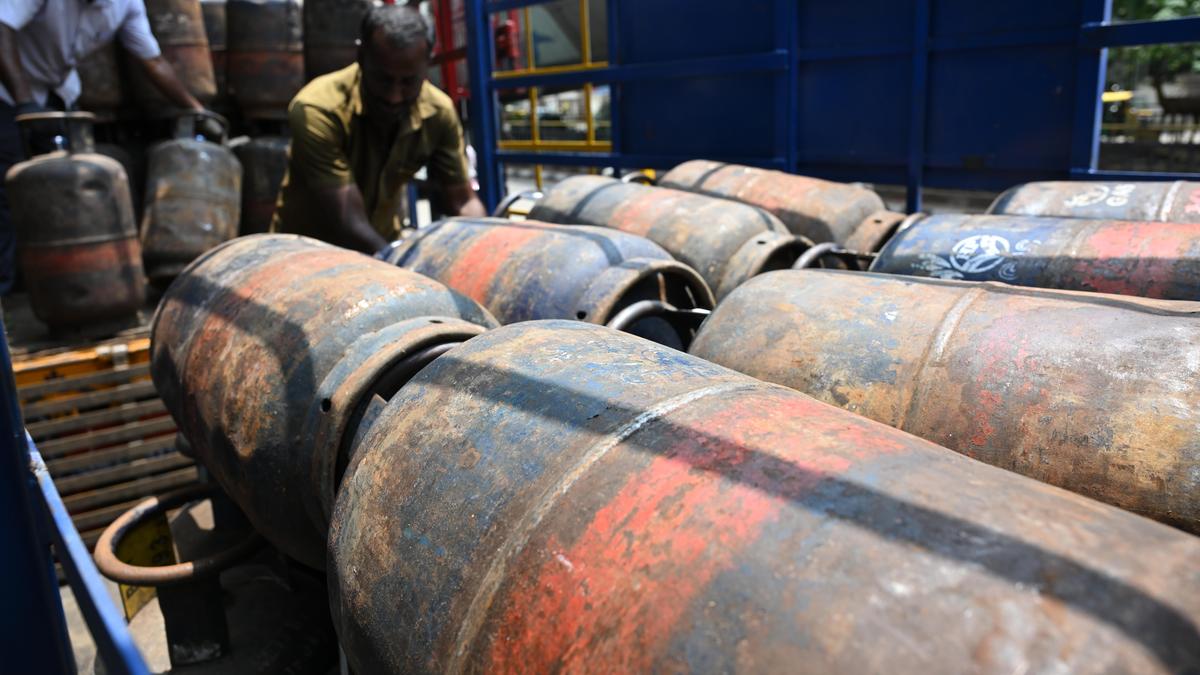
Wed Apr 01 04:02:19 UTC 2026: # Commercial LPG Prices Surge in Hyderabad, Reflecting Nationwide Increase
The Story:
Starting April 1, 2026, the price of a commercial 19kg Liquefied Petroleum Gas (LPG) cylinder in Hyderabad has increased by ₹214.50, bringing the new cost per refill to ₹2,321. This price hike follows a nationwide trend, with state-owned Oil Marketing Companies (OMCs) raising prices by over ₹200 across various markets in India. The increase has already impacted commercial establishments in Hyderabad, which see approximately 8,900 bookings per day, significantly up from the usual 6,404.
Key Points:
- Commercial LPG cylinder price in Hyderabad increased to ₹2,321 on April 1, 2026.
- The price hike amounts to ₹214.50 per cylinder.
- The increase is implemented by state-owned Oil Marketing Companies (OMCs).
- Hyderabad district has 17,613 commercial LPG connections.
- Daily bookings have increased from 6,404 to approximately 8,900.
Critical Analysis:
The rapid succession of news alerts on April 1, 2026, indicates a coordinated and immediate implementation of the price hike. The doubling of jet fuel prices alongside the commercial LPG increase suggests a broader energy sector adjustment likely driven by factors like international market fluctuations, government policy changes, or supply chain disruptions. The surge in bookings might reflect businesses stocking up in anticipation of further price increases or increased business activity.
Key Takeaways:
- Commercial LPG prices are on the rise across India.
- The increase will likely impact businesses that rely on LPG.
- The timing of the announcement suggests a strategic decision by OMCs.
- The parallel rise in jet fuel prices indicates a wider energy sector trend.
- Businesses in Hyderabad are reacting to the price hike with increased bookings.
Impact Analysis:
The increase in commercial LPG prices will likely have a cascading effect on the operational costs of businesses, particularly restaurants, hotels, and other food service establishments. This could lead to increased prices for consumers, potentially impacting inflation and consumer spending. The long-term impact will depend on the sustainability of these price levels and the government’s response, which could include subsidies or policy interventions to mitigate the impact on businesses and consumers. The increased operational costs can also potentially affect the profit margins of businesses and could lead to businesses seeking alternative options to reduce their energy costs.
 First Piper