
Tue Mar 31 15:27:42 UTC 2026: Headline: China and Pakistan Propose Five-Point Peace Plan Amidst West Asia Conflict
The Story:
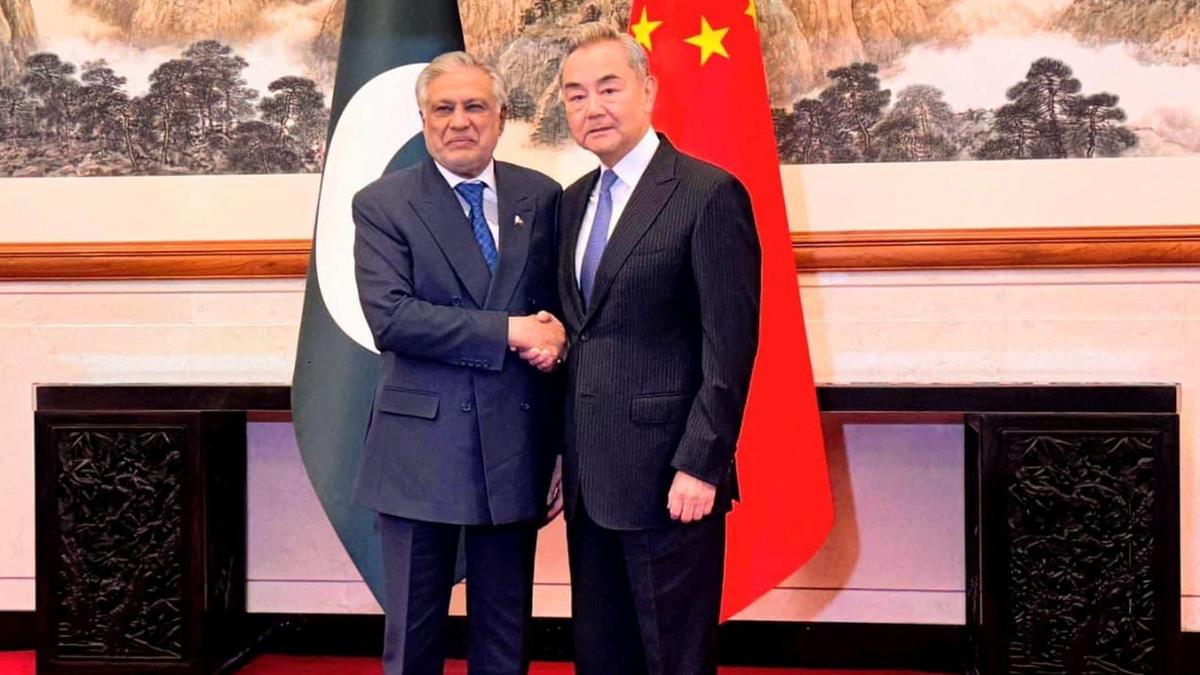
On March 31, 2026, China and Pakistan jointly proposed a five-point peace plan aimed at resolving the ongoing conflict in West Asia, specifically addressing the situation in the Strait of Hormuz. The proposal followed talks between Chinese Foreign Minister Wang Yi and Pakistani Deputy Prime Minister and Foreign Minister Ishaq Dar in Beijing. The initiative seeks an immediate cessation of hostilities, the commencement of peace talks, guaranteed safety for non-military targets and navigation, and upholding the UN Charter’s principles. The proposal emphasizes the importance of the Strait of Hormuz as a crucial international shipping route.
Key Points:
- China and Pakistan jointly presented a five-point peace proposal for West Asia.
- The proposal includes an immediate ceasefire and initiation of peace talks.
- It calls for ensuring the safety of civilian targets and navigation in the Strait of Hormuz.
- China acknowledged the safe passage of three of its ships through the Strait, thanking relevant parties for their assistance.
- Iran is demanding international recognition of its sovereignty over the Strait of Hormuz.
- China is preparing for a visit from U.S. President Donald Trump in May 2026, with hopes of finalizing a trade deal.
- The proposal was put forward after talks between Chinese Foreign Minister Wang Yi and Pakistani Deputy Prime Minister and Foreign Minister Ishaq Dar.
Key Takeaways:
- China is actively seeking to mediate the conflict in West Asia, reflecting its growing geopolitical influence.
- The safety and stability of the Strait of Hormuz are of paramount importance to China, given its reliance on oil imports.
- Pakistan is playing a supporting role in China’s diplomatic efforts in the region.
- China’s engagement highlights the complex interplay between its economic interests, strategic partnerships, and diplomatic ambitions.
- The timing of the proposal, preceding a potential trade deal with the U.S., suggests a multifaceted approach to international relations.
Impact Analysis:
This initiative signals a more assertive role for China in Middle Eastern affairs. The joint proposal, backed by Pakistan, attempts to position both nations as mediators in a highly volatile region. Success in this endeavor could enhance China’s reputation as a responsible global power and strengthen its ties with countries in the Middle East. However, the proposal’s effectiveness hinges on the willingness of conflicting parties, including the U.S. and Iran, to engage in negotiations. Failure to achieve a breakthrough could undermine China’s diplomatic efforts and expose the limitations of its influence. The security of the Strait of Hormuz remains a critical factor, impacting global energy supplies and international trade. The outcome of these events could reshape power dynamics in the region and beyond, influencing future alliances and strategic alignments.
 First Piper