
Wed Apr 01 07:33:41 UTC 2026: # Congress Attacks Modi Government Over Rising Commodity Prices Amidst West Asia Conflict
The Story:
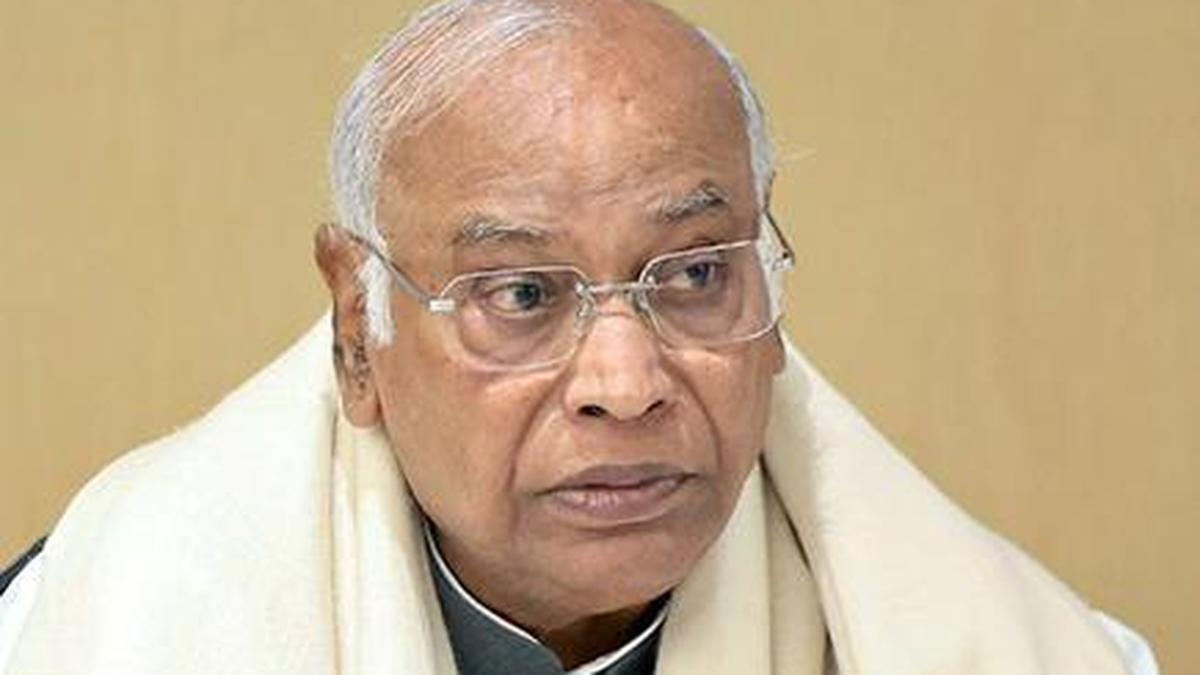
On April 1, 2026, the Congress party launched a strong critique against the Modi government, citing a significant increase in the prices of essential commodities. Congress President Mallikarjun Kharge accused the BJP leadership of prioritizing “looting the public” and “plundering the nation” amidst a growing crisis. The price hikes, impacting everything from LPG cylinders and aviation fuel to essential medicines and toll taxes, are attributed to the government’s allegedly flawed strategic and economic policies.
The price surge is exacerbated by the ongoing conflict in West Asia, which has led to a dramatic increase in global oil prices. The government has attempted to mitigate the impact on domestic airlines by implementing a differential pricing strategy for Aviation Turbine Fuel (ATF), but overall, the rising costs are expected to heavily burden common citizens, farmers, laborers, and MSME industries.
Key Points:
- Commercial LPG cylinder prices increased by ₹195.50 on April 1, 2026, reaching ₹2,078.50 in Delhi.
- Aviation Turbine Fuel (ATF) prices more than doubled, reaching a record ₹2.07 lakh per kilolitre.
- Prices of over 900 essential medicines have increased.
- Speed post charges have seen a 34% hike.
- Global oil prices have increased by almost 50% due to the conflict in West Asia.
- Petrol and diesel prices remain frozen after a ₹2 per-litre reduction in March 2025.
Critical Analysis:
The timing of Congress’s attack, coinciding with price hikes driven by international events like the West Asia conflict, suggests a strategic attempt to capitalize on public discontent and portray the Modi government as ineffective in managing the economic fallout. The Congress party is likely trying to connect the government’s broader economic policies to the immediate financial strain felt by the public. The related historical context also shows Congress opposing the BJP government’s policies, like increasing the Lok Sabha size.
Key Takeaways:
- Rising global oil prices, driven by the West Asia conflict, are significantly impacting India’s domestic economy.
- The Congress party is actively leveraging the rising commodity prices to attack the Modi government’s economic policies.
- The government is attempting to cushion the impact of rising ATF prices on domestic airlines through differential pricing.
- The price hikes affect a broad spectrum of essential goods and services, potentially leading to widespread public discontent.
- Political tensions are heightened as the opposition seeks to capitalize on the economic challenges.
Impact Analysis:
The rising prices of essential commodities, coupled with political opposition, could lead to increased social unrest and pressure on the government to implement further measures to alleviate the financial burden on citizens. The long-term impact could include a shift in consumer behavior, increased inflation, and potential adjustments to government economic policies in response to public and political pressure. The situation may also affect the outcome of future elections.
 First Piper