
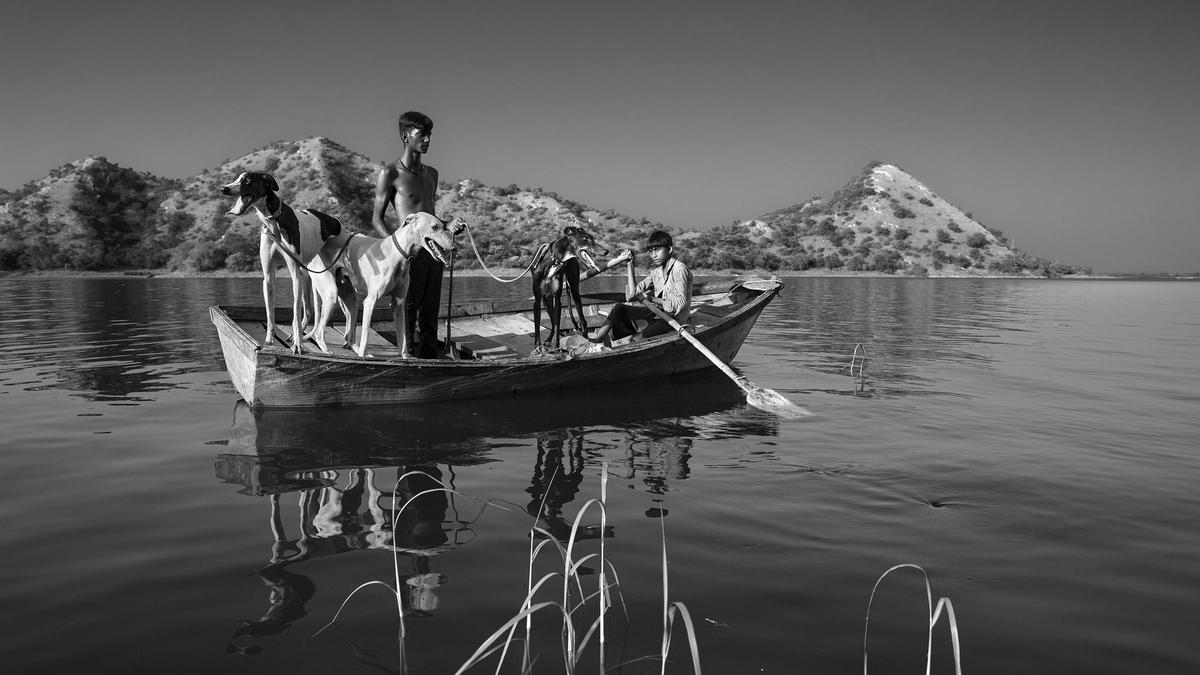
Wed Apr 01 03:19:55 UTC 2026: ### Photographer Asha Thadani’s “I to Eye: Shades of Humanity” Exhibition Opens in Bengaluru, Showcasing India’s Unseen Communities
The Story:
Asha Thadani’s photography exhibition, “I to Eye: Shades of Humanity,” opened at the National Gallery of Modern Art in Bengaluru on March 31, 2026, offering a visual exploration of India’s diverse and often overlooked communities. The exhibition is a culmination of Thadani’s decades-long work, capturing the lives and stories of various groups, from the Ramnami Samaj of Chhattisgarh to the Joginis of Telangana. Thadani emphasizes her approach as a storyteller, prioritizing personal connection and observation over traditional documentary methods, allowing her to gain the trust of her subjects and portray their lives with authenticity.
Key Points:
- The “I to Eye: Shades of Humanity” exhibition features black-and-white photographs of 16 different communities in India.
- Asha Thadani began shooting in 1996, traveling extensively to document indigenous communities.
- Thadani emphasizes the importance of building trust and spending extended periods with the communities she photographs, often living with them for weeks or months.
- She focuses on the dignity of labor, highlighting how work provides identity and sustenance for these communities, even those shunned by society.
- Thadani describes her approach as subjective storytelling rather than traditional documentary or photojournalism.
- The exhibition is on display at the National Gallery of Modern Art in Bengaluru until April 12, 2026.
Key Takeaways:
- The exhibition provides a platform for underrepresented communities, offering a glimpse into their unique cultures and challenges.
- Thadani’s work underscores the importance of empathy and personal connection in capturing authentic narratives.
- The focus on work as a source of dignity highlights the complex relationship between caste, identity, and livelihood in India.
- The exhibition emphasizes the value of subjective storytelling in understanding human experiences.
- The use of black and white photography intentionally removes distractions and reveals the underlying realities of life for these communities.
 First Piper