
Wed Apr 01 17:47:28 UTC 2026: # Trump’s Latin America Policy Sparks Regional Tensions
The Story:
U.S. President Donald Trump‘s aggressive foreign policy is causing significant unrest in Latin America. Recent actions, including military operations in Ecuador-Colombia, threats against Cuba, and the potential classification of Brazilian criminal groups as terrorist organizations, are raising fears of increased U.S. intervention. Leaders like President Lula da Silva of Brazil and President Gustavo Petro of Colombia are openly criticizing what they perceive as “colonialist policies” and interference in their countries’ affairs, while right-leaning governments are cozying up to the U.S.
Key Points:
- U.S. Military Actions: Air strikes are being conducted on the Ecuador-Colombia border under “Operation Total Extermination,” officially targeting cartel infrastructure.
- Threats Against Cuba: President Trump has publicly threatened military action against Cuba.
- Potential Terrorist Designation: The U.S. is considering classifying Brazil’s Primeiro Comando da Capital (PCC) and Comando Vermelho (CV) as terrorist groups, raising concerns about potential military intervention.
- Investigation of President Petro: President Petro of Colombia is reportedly being investigated by U.S. prosecutors for alleged ties to drug traffickers.
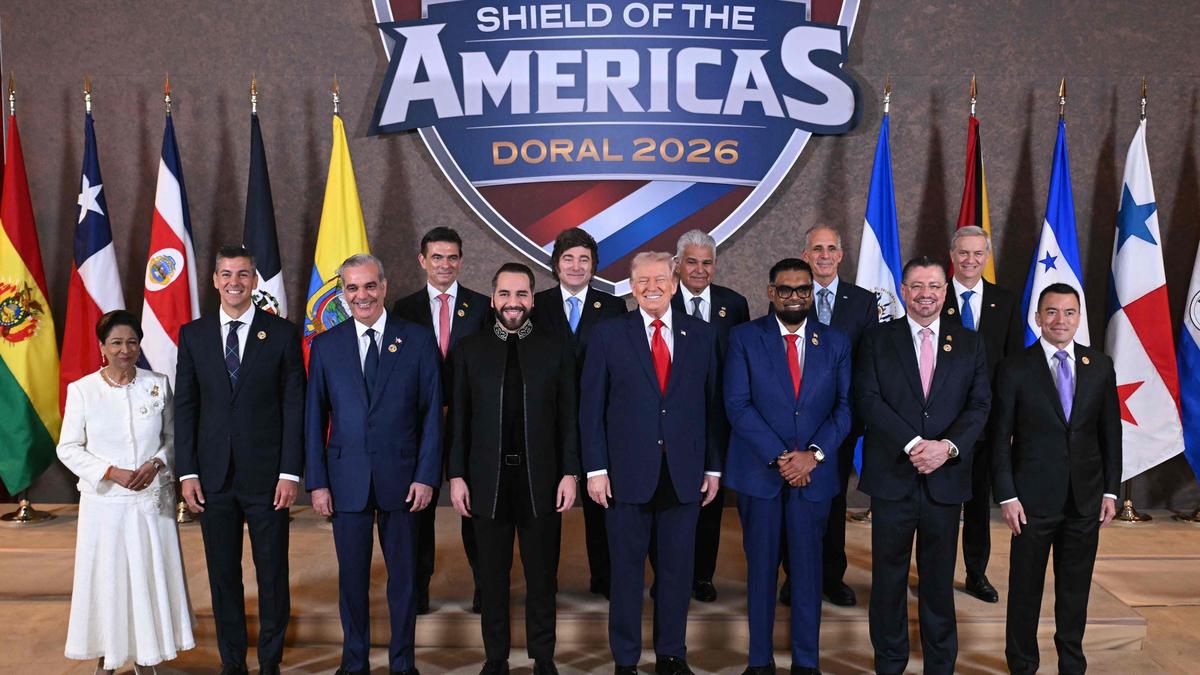
- “Shield of the Americas” Summit: President Trump hosted a summit of pro-Washington leaders in Miami, excluding leftist governments like Brazil, Mexico, Chile, and Colombia, to discuss joint counter-drug operations.
- Resource Interests: A Brazilian official suggests the U.S. is targeting the region’s natural resources, particularly rare earths, and seeking to curb relations with China.
- Alignment with Right-Wing Leaders: President Trump is strengthening ties with right-wing leaders like Javier Milei of Argentina and José Antonio Kast of Chile.
- Brazilian Presidential Aspirations: Flávio Bolsonaro, son of former President Jair Bolsonaro, is seeking President Trump‘s support for a potential presidential run, offering Brazil as a source of rare earths.
Key Takeaways:
- Increased U.S. Intervention: President Trump‘s administration is pursuing an increasingly interventionist policy in Latin America, raising concerns about sovereignty and potential military action.
- Political Polarization: The region is becoming increasingly polarized, with leftist governments resisting U.S. influence and right-wing leaders aligning with President Trump.
- Resource Competition: The U.S. is likely motivated by a desire to secure access to Latin America’s natural resources, particularly rare earths, and counter China’s growing influence in the region.
- Erosion of Regional Unity: The “Shield of the Americas” summit and the exclusion of key regional players suggest an effort to divide and conquer Latin America.
Impact Analysis:
- Destabilization: President Trump‘s policies risk further destabilizing Latin America, potentially leading to increased conflict and political instability.
- Geopolitical Realignment: The growing divide between leftist and right-wing governments could lead to a significant realignment of geopolitical alliances in the region.
- Increased Anti-American Sentiment: U.S. interventionist policies are likely to fuel anti-American sentiment and undermine U.S. influence in the long term.
 First Piper