
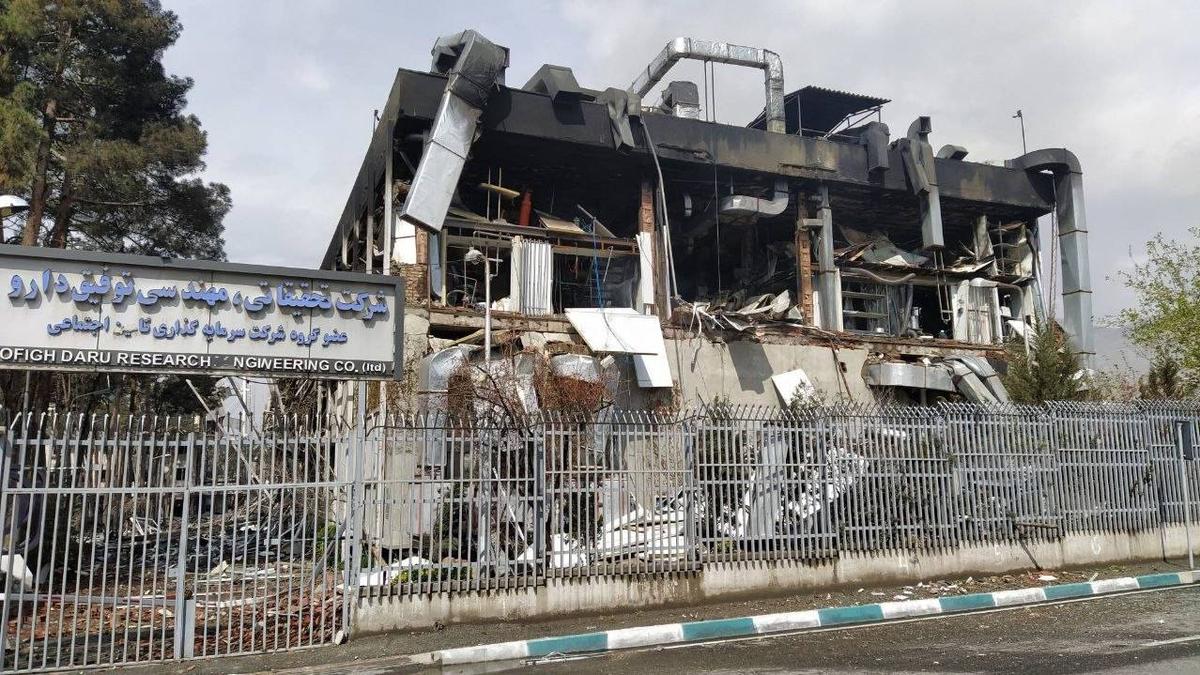
Tue Mar 31 17:18:39 UTC 2026: Headline: U.S.-Israeli Airstrikes Target Iranian Pharmaceutical Company Amid Escalating Conflict
The Story:
On Tuesday, March 31, 2026, a joint U.S.-Israeli airstrike hit Tofigh Daru Research & Engineering Company, a major Iranian pharmaceutical manufacturer producing anaesthetic and cancer drugs. The Iranian government condemned the attack, stating it targeted a civilian center and damaged the company’s drug production line. The targeted company, owned by the state-run Social Security Investment Company, develops and produces active pharmaceutical ingredients across various critical medical segments.
Key Points:
* The airstrike occurred on March 31, 2026, targeting Tofigh Daru Research & Engineering Company in Iran.
* The company produces anti-cancer, anaesthetic, and specialized medicines.
* Tofigh Daru is owned by the Social Security Investment Company, a state-run holding firm.
* Iran faces chronic medicine shortages, exacerbated by UN sanctions impacting trade and discouraging foreign drug companies.
* The U.S. and Israel have broadened their targets beyond strictly military sites since launching the war on February 28.
* Recent targets include steel production facilities and universities.
* Iran has vowed retaliation against similar targets in Israel or neighboring Gulf countries.
Critical Analysis:
The attack on the pharmaceutical company represents a significant escalation of the conflict beyond military targets, seemingly aimed at crippling Iran’s domestic capabilities and potentially increasing public dissatisfaction due to medicine shortages. This strategy, combined with strikes on steel production and universities, suggests an attempt to weaken Iran’s economic and technological infrastructure, potentially forcing concessions or destabilizing the regime. The related context highlighting Iranian threats against US tech firms and attacks on oil tankers further emphasizes the rapidly escalating and multi-faceted nature of the conflict.
Key Takeaways:
* The U.S. and Israel are employing a strategy of targeting Iran’s economic and technological infrastructure in addition to military assets.
* Iran’s threats against U.S. tech firms and attacks on oil tankers signal a willingness to escalate the conflict beyond its borders.
* The attack on a pharmaceutical company exacerbates existing medicine shortages in Iran, potentially leading to a humanitarian crisis.
* The conflict is rapidly escalating, with both sides broadening the scope of their targets.
* The situation carries a high risk of regional destabilization and wider international involvement.
Impact Analysis:
The targeting of critical infrastructure like pharmaceutical companies has significant long-term implications.
* Healthcare Crisis: The destruction of Tofigh Daru could severely impact Iran’s ability to provide essential medicines, leading to a healthcare crisis and increased suffering among the population.
* Economic Instability: Continued attacks on economic targets like steel plants will further destabilize the Iranian economy, potentially fueling social unrest.
* Escalation Risk: Iran’s threats to target U.S. assets in the Middle East increase the risk of the conflict expanding beyond the immediate region. This could draw in other regional and international actors, leading to a wider and more destructive war.
* Sanctions and International Relations: The attacks may further complicate efforts to negotiate a resolution to Iran’s nuclear program and could lead to increased international isolation.
* Humanitarian Concerns: The targeting of civilian infrastructure raises serious humanitarian concerns and could lead to condemnation from international organizations.
 First Piper