
Mon Mar 30 21:26:09 UTC 2026: # India’s Transgender Rights Legislation Faces Backlash After Presidential Assent
The Story:
President Droupadi Murmu has given her assent to the Transgender Persons (Protection of Rights) Amendment Bill on March 30, 2026, effectively enacting it into law. The bill, passed by the Rajya Sabha on March 25, 2026, and the Lok Sabha a day prior, has sparked significant controversy and widespread condemnation from activists and legal professionals. Critics argue that the amended legislation reverses decades of progress on transgender rights in India.
The amended bill redefines “transgender person,” narrowing the scope of protection to those facing discrimination due to “biological reasons.” This has raised concerns that the law excludes individuals with diverse gender identities and self-perceived sexual orientations, potentially violating constitutional rights and international human rights standards.
Key Points:
- President Droupadi Murmu approved the Transgender Persons (Protection of Rights) Amendment Bill on March 30, 2026.
- The Rajya Sabha passed the bill on March 25, 2026, following the Lok Sabha’s approval.
- The Opposition demanded the bill be sent to a select committee for further scrutiny.
- The government claims the bill aims to protect those facing discrimination due to “biological issues.”
- The amended definition of “transgender person” excludes individuals with “different sexual orientations and self-perceived sexual identities.”
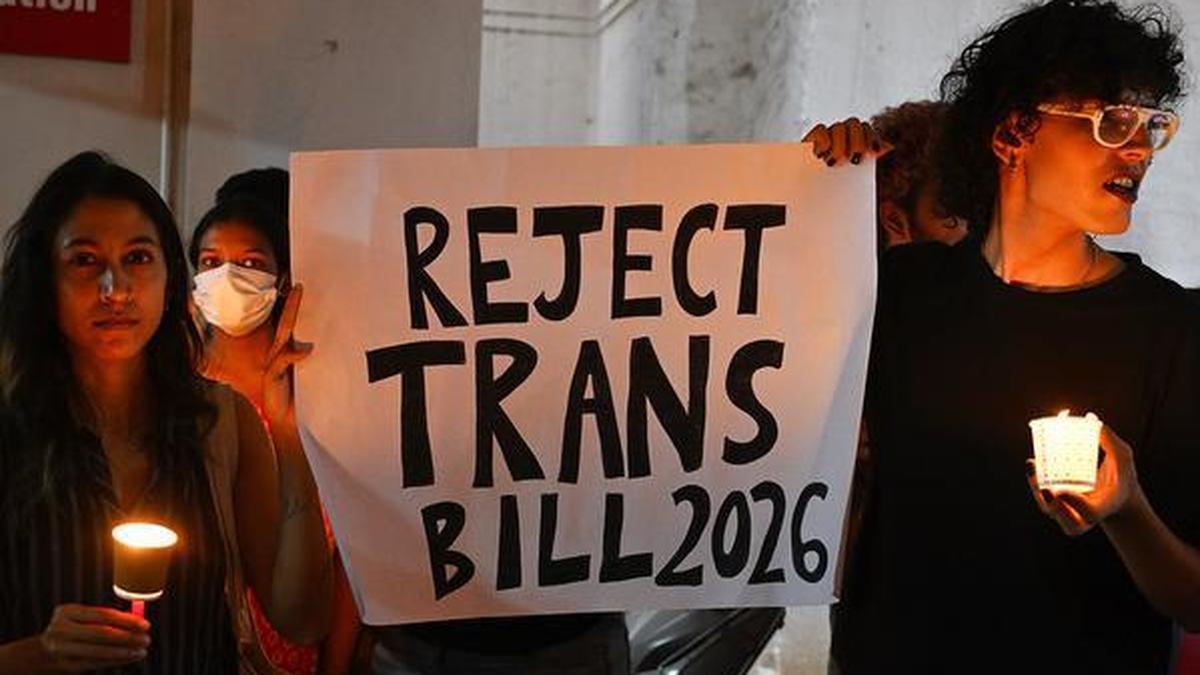
- Activists and lawyers protested the bill, citing “constitutional violations” and “procedural infirmities.”
Critical Analysis:
The government’s rationale for the amendment centers on refining the definition of “transgender person” to target specific cases of discrimination arising from biological factors. This suggests a deliberate move to limit the scope of legal protection and benefits to a narrower subset of the transgender community. The justification that the original definition was too “vague” appears to be a pretext for excluding individuals with diverse gender identities and self-perceived sexual orientations, potentially undermining the principles of self-determination and equality.
Key Takeaways:
- The amended law narrows the legal definition of “transgender person,” potentially excluding a significant portion of the transgender community from protection.
- The bill’s passage despite strong opposition indicates a disregard for concerns raised by activists, lawyers, and human rights advocates.
- The legislation is being criticized as a regressive step that reverses India’s progress on transgender rights.
- The new law appears to prioritize a biological understanding of gender over self-identification.
- The government’s stated intent to protect only those facing discrimination due to “biological issues” is a point of contention.
Impact Analysis:
The enactment of the Transgender Persons (Protection of Rights) Amendment Bill is likely to have far-reaching consequences for the transgender community in India. The narrower definition of “transgender person” could lead to:
- Reduced access to social welfare programs and legal protections: Individuals excluded from the new definition may face difficulties accessing essential services and remedies for discrimination.
- Increased social stigma and discrimination: The bill could reinforce negative stereotypes and prejudice against transgender individuals with diverse gender identities and self-perceived sexual orientations.
- Legal challenges: The law is likely to be challenged in court on constitutional grounds, arguing that it violates the rights to equality, non-discrimination, and self-determination.
- International condemnation: The legislation could damage India’s reputation on human rights and lead to criticism from international organizations and governments.
- Heightened activism and advocacy: The bill is likely to galvanize transgender rights activists and their allies to continue advocating for legal reforms and social change.
 First Piper