
Mon Mar 30 18:58:58 UTC 2026: # Tamil Nadu Gears Up for Assembly Elections 2026 Amidst Rising Public Concerns
The Story:
Tamil Nadu is preparing for its Assembly elections, scheduled for April 23, 2026, with vote counting on May 4. The political landscape includes familiar contenders like the ruling DMK and the AIADMK-led NDA, alongside Naam Tamilar Katchi (NTK), and the debut of Tamilaga Vettri Kazhagam, spearheaded by actor Vijay. The election is expected to focus on key issues such as infrastructure, women’s safety, education, and employment. “The Hindu” plans to provide on-the-ground coverage through its “Constituency Watch” segment.
Key Points:
* The Tamil Nadu Assembly election is scheduled for April 23, 2026.
* Vote counting will occur on May 4, 2026.
* Key political players include DMK, AIADMK-led NDA, NTK, and Tamilaga Vettri Kazhagam.
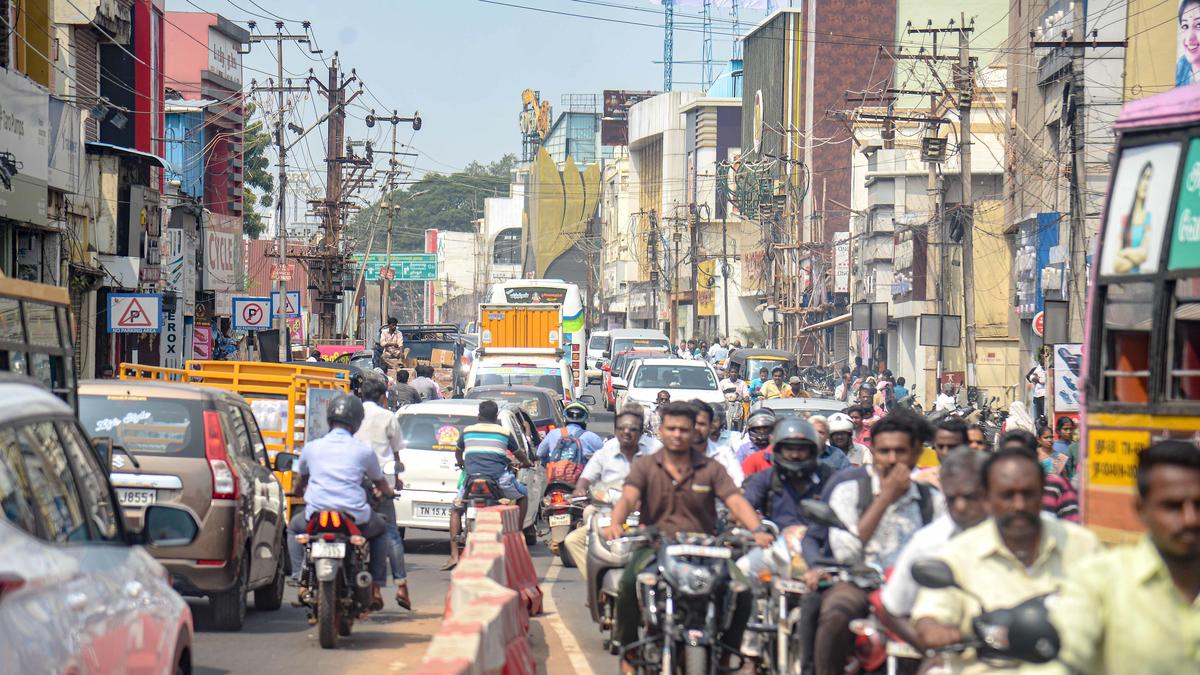
* Key election issues: civic and infrastructural concerns, women’s safety, education, and employment.
* “The Hindu” will provide constituency-level coverage.
Critical Analysis:
The historical context shows active campaigning and declarations from major political figures just days before the primary article’s publication. Vijay’s strong anti-DMK stance, Seeman’s declared assets, and accusations of past DMK-BJP alliances by Palaniswami all point to a highly competitive and potentially contentious election. The focus on asset declarations could indicate a public demand for transparency and accountability from political leaders.
Key Takeaways:
* The 2026 Tamil Nadu Assembly election is shaping up to be a multi-faceted contest.
* Public concerns about civic issues, safety, and employment will likely drive voter decisions.
* Transparency regarding politicians’ assets is emerging as a key campaign issue.
* The entry of Vijay’s party adds a new dynamic to the established political landscape.
Impact Analysis:
The outcome of the 2026 Tamil Nadu Assembly election will have significant implications for the state’s policy direction and development. The focus on infrastructural and social issues suggests a potential shift towards addressing long-standing public grievances. The success of Vijay’s new party could signal a realignment of political allegiances, potentially disrupting the dominance of DMK and AIADMK. The election results will likely influence the state’s economic policies, social programs, and its relationship with the central government.
 First Piper