
Tue Mar 31 01:14:55 UTC 2026: # Maharashtra Mandates PNG Adoption Amid LPG Shortages
The Story
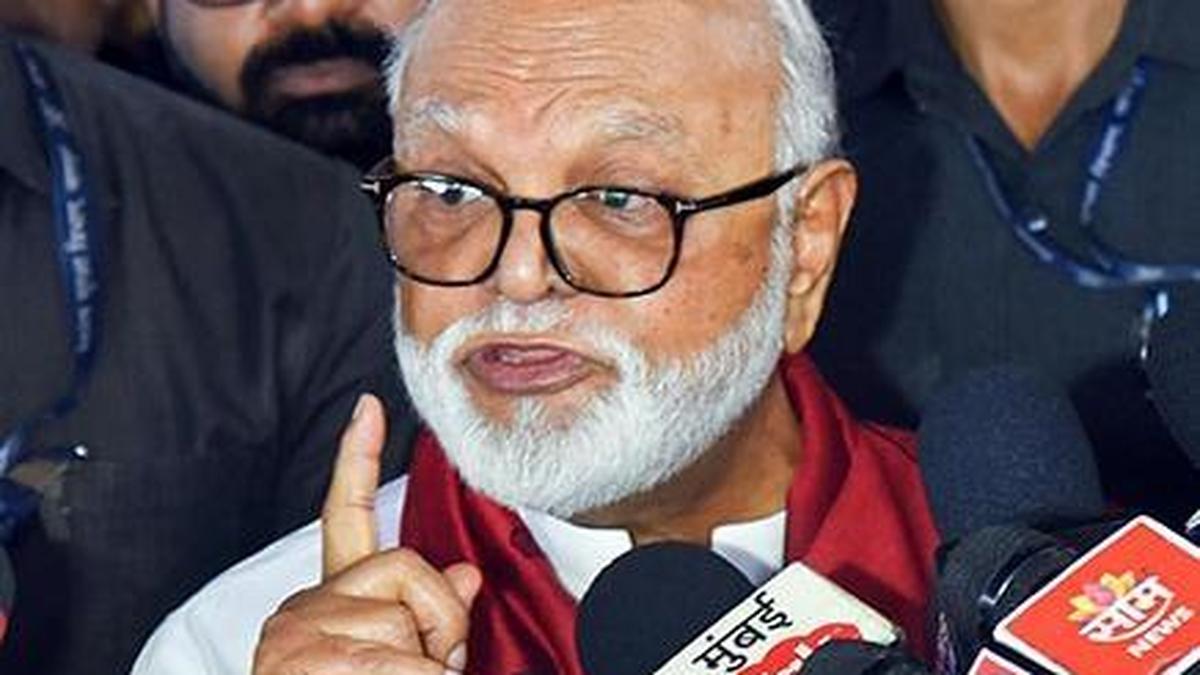
Maharashtra’s Food and Civil Supplies Minister Chhagan Bhujbal announced on Monday, March 31, 2026, that residents must apply for Piped Natural Gas (PNG) connections in available areas by June 30, 2026, or risk losing their Liquefied Petroleum Gas (LPG) connections. This decision follows reports of LPG shortages across several districts in Maharashtra, attributed to the ongoing conflict in West Asia. The Minister’s statement came after a meeting with Union Ministers in Delhi, focused on ensuring a stable LPG supply for both domestic and commercial consumers.
Key Points
- Mandatory PNG Application: Residents in areas with PNG infrastructure must apply for connections by June 30, 2026.
- LPG Discontinuation Risk: Failure to apply for PNG by the deadline could result in the termination of LPG supply.
- Pipeline Underway Exception: LPG connections will not be discontinued if a PNG application has been submitted but the pipeline installation is still in progress.
- LPG Shortages: The decision is driven by reported LPG shortages in Maharashtra due to the conflict in West Asia.
- Meeting with Union Ministers: The announcement followed a meeting with Union Ministers to discuss LPG supply measures.
Critical Analysis
The timing of this announcement, directly following reports of LPG shortages linked to the West Asia conflict, strongly suggests a strategic shift towards promoting PNG adoption to mitigate the impact of international crises on domestic fuel supplies. The government is using the current crisis as leverage to accelerate the transition to a more reliable and potentially cheaper energy source for households.
Key Takeaways
- Geopolitical instability significantly impacts domestic energy supplies.
- The Maharashtra government is actively promoting PNG adoption as a solution to LPG shortages.
- Consumers face a deadline to switch to PNG or risk losing LPG access.
- Government policy is being directly influenced by international events.
- This move highlights the vulnerability of India’s LPG supply chain.
Impact Analysis
This policy shift could have significant long-term implications for Maharashtra’s energy infrastructure and consumer behavior. The mandatory transition to PNG could:
- Reduce reliance on imported LPG, making the state less vulnerable to international supply chain disruptions.
- Drive investment in PNG infrastructure, creating jobs and stimulating economic growth in the energy sector.
- Potentially lower energy costs for consumers in the long run, as PNG may be a cheaper alternative to LPG.
- Lead to consumer dissatisfaction if the transition is poorly managed or if PNG infrastructure is not adequately developed.
- Set a precedent for other states facing similar energy security challenges, potentially leading to a nationwide push for PNG adoption.
 First Piper