
Tue Mar 31 08:00:00 UTC 2026: # Jayalalithaa’s Hyderabad Property Briefly Seized Over Unpaid Taxes
The Story:
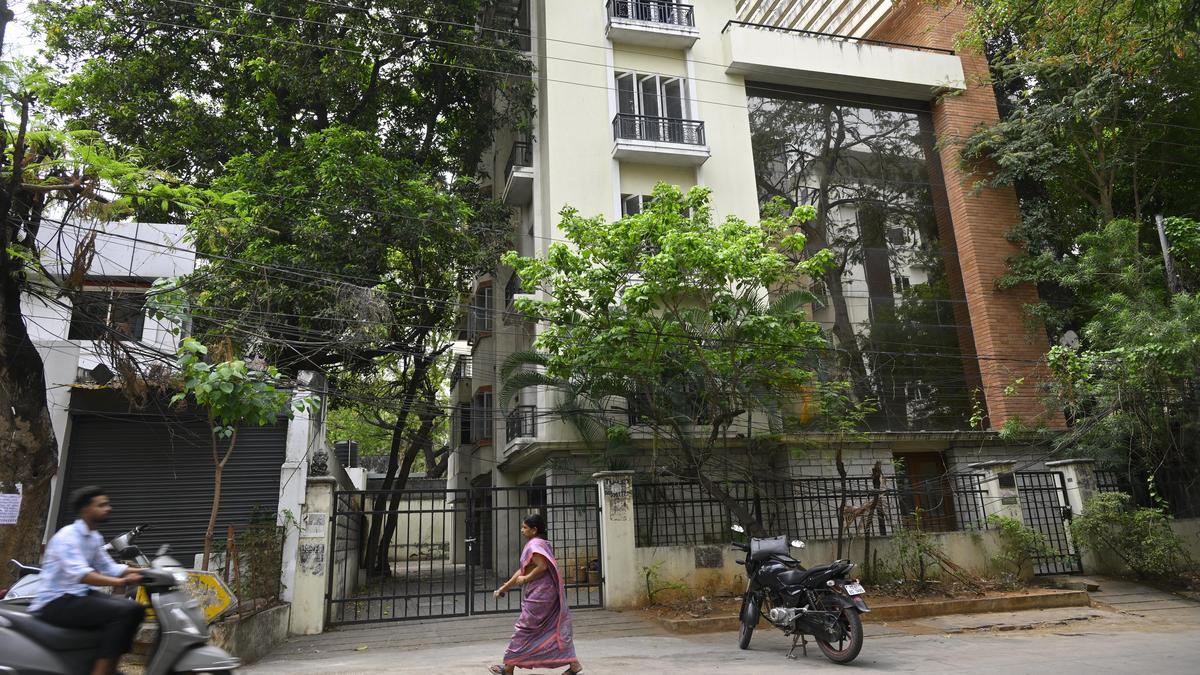
A property in Hyderabad belonging to the late Chief Minister of Tamil Nadu, J. Jayalalithaa, was seized by civic authorities on March 31, 2026, due to non-payment of property tax. The property, located in Srinagar Colony, was released the same day after payment processes were initiated. The tax dues, accumulating since 2017, amounted to ₹1.6 crore, including arrears and penal interest.
Key Points:
- The seized property belonged to the late J. Jayalalithaa and is located in Srinagar Colony, Hyderabad.
- The property was seized on March 31, 2026, due to unpaid property taxes dating back to 2017.
- The initial outstanding amount was ₹1.6 crore, including arrears and penal interest.
- A 90% interest waiver under the One Time Settlement scheme reduced the payable amount to approximately ₹83 lakh.
- The property was released on the same day payment processes began.
Critical Analysis:
The historical context reveals a pattern of outstanding tax dues associated with the property. The multiple mentions of the property being sealed, combined with the GHMC naming top property tax defaulters, suggests a systemic issue in tax collection or enforcement. The mention of the Jan Vishwas Bill indicates legislative changes affecting property tax procedures which may be a response to widespread issues. The Vijay Mallya lease adds another layer to the complexity, potentially indicating difficulties in managing the property after Jayalalithaa’s passing.
Key Takeaways:
- Tax evasion, even on high-profile properties, is a recurring issue.
- One-time settlement schemes are being used to encourage payment of outstanding dues.
- The case highlights potential challenges in managing the estates of deceased public figures.
- Civic authorities are actively enforcing property tax collection, especially nearing deadlines.
- Legislative changes are being made to address property tax collection and enforcement.
Impact Analysis:
This event has several potential long-term impacts:
- Increased Scrutiny: The seizure could lead to increased scrutiny of other properties owned by prominent individuals or their estates, ensuring compliance with tax regulations.
- Enhanced Enforcement: It might encourage more rigorous enforcement of property tax laws, leading to better revenue collection for municipal corporations.
- Public Awareness: The news coverage could raise public awareness about the importance of timely tax payments and the consequences of default.
- Policy Adjustments: The incident could prompt a review of existing property tax policies and procedures to address loopholes or inefficiencies in the system.
- Legal Precedent: This case might set a legal precedent for how estates of deceased individuals are handled concerning tax liabilities.
 First Piper