
Tue Mar 31 11:44:50 UTC 2026: ### Headline: Desalination Plant on Iran’s Qeshm Island Crippled Amid Escalating Iran-Israel Conflict
The Story:
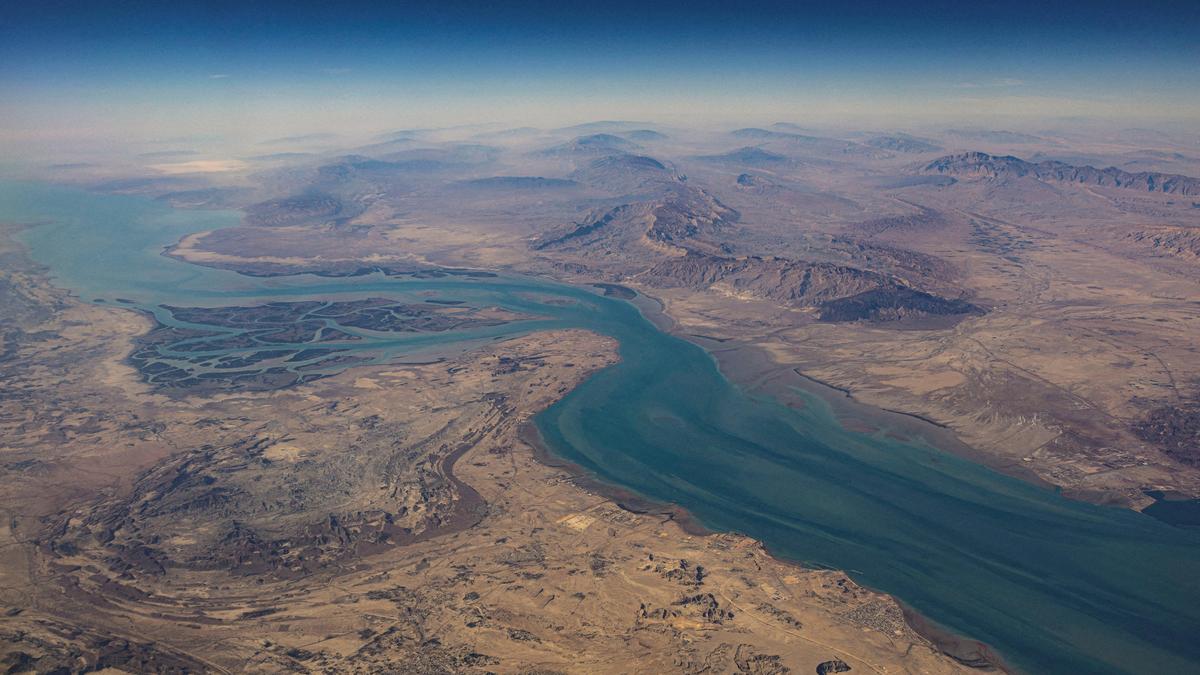
Airstrikes have disabled a desalination plant on Qeshm Island, Iran, located in the Strait of Hormuz. The attack, reported on March 31, 2026, by Iranian media, has rendered the plant irreparable in the short term, according to Health Ministry official Mohsen Farhadi. This incident is the latest in a series of attacks on desalination plants, which have intensified since the February 28, 2026, U.S.-Israeli strikes on Iran. The U.S. had been accused by Iran for a strike on March 7, 2026, launched from its military base in Bahrain.
Key Points:
- A desalination plant on Qeshm Island was targeted and is now out of service (March 31, 2026).
- Qeshm Island is strategically located in the Strait of Hormuz.
- Iran’s Foreign Minister Abbas Araghchi accused the U.S. of a strike on March 7, 2026, launched from its military base in Bahrain.
- Bahrain reported an Iranian strike on a facility on March 8, 2026, as retaliation for the U.S. hit on Qeshm Island.
- Kuwait reported an Iranian attack on a desalination and electricity plant on March 30, 2026, which Tehran blamed on Israel.
- President Donald Trump threatened to “obliterate” Iran’s power infrastructure and desalination plants on March 30, 2026.
- Gulf states depend heavily on desalination for their water supply, with percentages ranging from 42% in the UAE to 90% in Kuwait.
Critical Analysis:
The attacks on desalination plants represent a dangerous escalation of the Iran-Israel conflict, with the potential to draw in other Gulf states. President Trump’s threat to target Iran’s desalination infrastructure underscores a strategy of crippling vital resources, potentially provoking a severe response from Iran and further destabilizing the region. The “AI helped pick the first thousand targets in Iran” news suggests a calculated and technologically advanced targeting strategy.
Key Takeaways:
- The conflict between Iran, Israel, and the U.S. is intensifying, targeting critical infrastructure.
- Attacks on desalination plants pose a significant threat to water security in the already arid Gulf region.
- The escalating rhetoric and actions increase the risk of a broader regional war.
- Gulf states are walking a tightrope, trying to avoid direct involvement while hosting U.S. military bases.
- The use of AI in target selection indicates a shift towards technologically driven warfare.
Impact Analysis:
The destruction of desalination plants can have severe long-term consequences:
* Humanitarian Crisis: Water shortages could lead to public health crises and displacement of populations.
* Economic Instability: Disruptions to water supply can cripple industries dependent on desalination.
* Regional Conflict: Attacks on critical infrastructure could prompt direct intervention from Gulf states, broadening the conflict.
* Environmental Impact: Damage to desalination plants can release harmful chemicals and pollutants into the environment.
* Geopolitical Realignment: The conflict could force Gulf states to reassess their alliances and security strategies.
 First Piper