
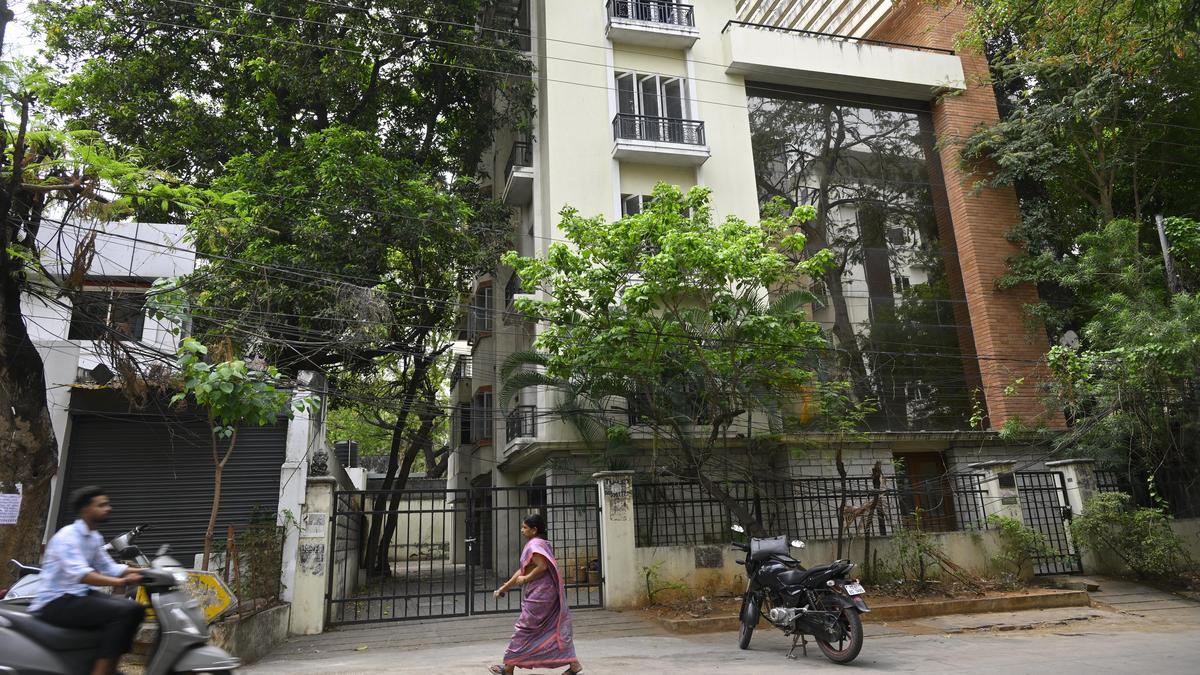
Tue Mar 31 14:10:00 UTC 2026: ### Jayalalithaa’s Hyderabad Property Briefly Seized Over Unpaid Taxes
The Story:
A property in Hyderabad belonging to the late Chief Minister of Tamil Nadu, J. Jayalalithaa, was temporarily seized by civic authorities on March 31, 2026, due to outstanding property tax payments. The property, located in Srinagar Colony, was released the same day after payment processes were initiated. The unpaid taxes, including arrears and penal interest, had accumulated to ₹1.6 crore since 2017. Following a 90% interest waiver under the One Time Settlement scheme, the payable amount was reduced to approximately ₹83 lakh.
Key Points:
- The property in question belonged to the late J. Jayalalithaa.
- The property is located in Srinagar Colony, Hyderabad.
- The property was seized on March 31, 2026, due to unpaid property taxes.
- The total outstanding amount was ₹1.6 crore, dating back to 2017.
- A One Time Settlement scheme reduced the amount to ₹83 lakh.
Critical Analysis:
The sequence of events leading up to the seizure (reported at 14:10:00 UTC 2026) suggests a gradual escalation and increasing public awareness of the unpaid taxes. The initial report likely put pressure on the involved parties to resolve the issue, leading to the property’s release later the same day.
Key Takeaways:
- Even prominent figures or their estates are subject to local tax laws.
- Civic authorities are willing to enforce tax regulations regardless of the property owner’s status.
- One-time settlement schemes can significantly reduce outstanding tax burdens.
- Public reporting of financial issues can expedite resolution.
Impact Analysis:
This event highlights the importance of proper estate management and timely payment of taxes. The temporary seizure, even for a day, could damage the reputation of the estate and prompt further scrutiny of other assets. It may also encourage other property owners to take advantage of the One Time Settlement scheme before it expires. The event serves as a reminder that tax obligations must be met, regardless of legacy or status.
 First Piper