
Tue Mar 31 04:33:33 UTC 2026: ### Gulf Allies Pressure Trump to Escalate Iran War Despite Domestic Concerns
The Story:
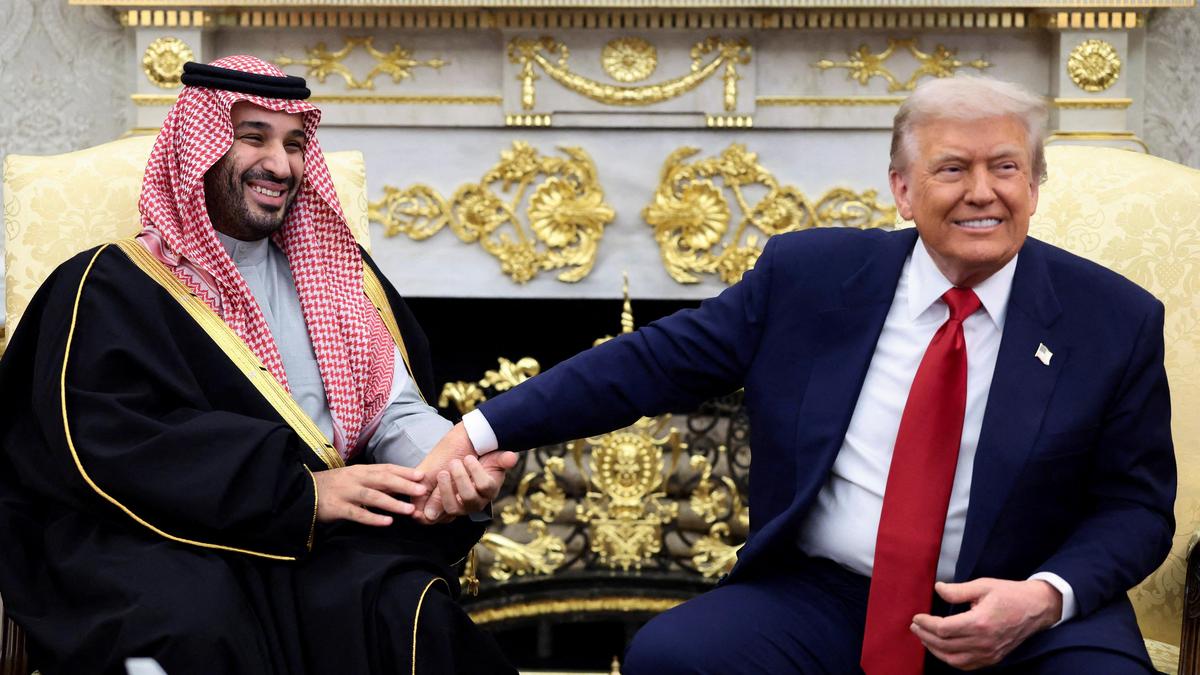
Key U.S. allies in the Gulf, particularly Saudi Arabia and the United Arab Emirates (UAE), are reportedly urging President Donald Trump to intensify the ongoing war against Iran, despite his own vacillations and growing domestic opposition. These nations believe that the current U.S.-led bombing campaign has not sufficiently weakened Iran’s leadership and are advocating for more aggressive measures, including a potential ground invasion. This pressure comes as President Trump faces the challenge of balancing international demands with domestic concerns over the war’s mounting costs and casualties.
Key Points:
- Saudi Arabia and the UAE are leading the push for escalating the war against Iran.
- Kuwait and Bahrain also reportedly favor a ground invasion of Iran.
- The UAE has faced over 2,300 missile and drone attacks from Iran.
- Oman and Qatar prefer a diplomatic solution to the conflict.
- Saudi Arabia seeks to neutralize Iran’s nuclear program, destroy its ballistic missile capabilities, end its support for proxy groups, and ensure the Strait of Hormuz remains open.
- Secretary of State Marco Rubio claims the U.S. and its Gulf Arab allies are in sync regarding Iran.
- President Trump praises Bahrain, Kuwait, Qatar, Saudi Arabia, and the United Arab Emirates for their “bravery” during the war.
- Three American fighter jets were mistakenly downed by friendly Kuwaiti fire in the conflict’s early days.
- Six American service members were killed on March 12, 2026, when their KC-135 refueling aircraft crashed in western Iraq.
- Iran has warned it will attack its neighbours’ critical infrastructure if Trump strikes Iran’s power plants.
Critical Analysis:
The article highlights a significant divergence between President Trump’s potential willingness to de-escalate the conflict (March 31, 2026 reports indicate he’s willing to end the war without reopening Hormuz) and the desires of key Gulf allies who seek a more decisive and transformative outcome in Iran. This divergence suggests a complex strategic landscape where the U.S. is caught between its own shifting objectives and the persistent demands of regional partners. The historical context reveals that even as President Trump signals a potential exit strategy, the Gulf states are doubling down on their commitment to regime change or, at a minimum, a dramatic alteration of Iranian behavior.
Key Takeaways:
- Gulf states, particularly Saudi Arabia and the UAE, have a vested interest in significantly weakening Iran, potentially exceeding U.S. objectives.
- President Trump’s administration faces a challenging balancing act between domestic pressures to end the war and the demands of its Gulf allies.
- The potential for miscalculation and escalation remains high, as evidenced by the friendly fire incident and Iran’s threats against neighboring countries’ infrastructure.
- The lack of a unified objective among the U.S. and its allies could prolong the conflict and increase instability in the region.
- The economic implications are significant, given the importance of the Strait of Hormuz for global oil supplies.
Impact Analysis:
The continued pressure from Gulf allies to escalate the war against Iran has significant long-term implications for regional stability and U.S. foreign policy. If President Trump yields to this pressure, it could lead to a protracted and costly conflict with unpredictable consequences, including a potential ground invasion, increased regional instability, and further economic disruptions. Conversely, if President Trump chooses to de-escalate, it could strain relations with key allies and potentially embolden Iran. The outcome of this
 First Piper