
Tue Mar 31 17:33:53 UTC 2026: # Trump Tells Allies to “Take” Oil from Strait of Hormuz, Ratcheting Up Tensions
The Story:
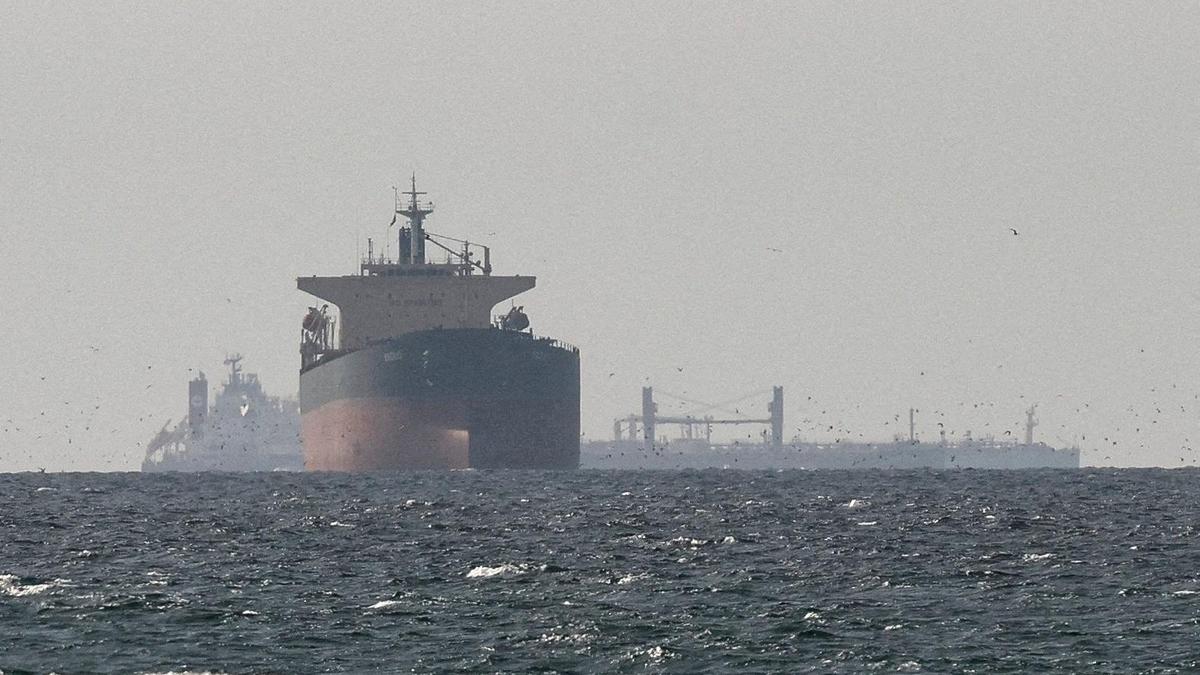
In a series of provocative statements on March 31, 2026, U.S. President Donald Trump publicly pressured Western allies to secure their own oil supplies from the Strait of Hormuz, the crucial waterway largely blocked by Iran amidst the ongoing U.S.-Israeli conflict with the nation. Trump criticized allies, including the United Kingdom and France, for not supporting the U.S. and Israel in the war, suggesting they either purchase oil from the U.S. or “take it” themselves from the Strait. These remarks have further strained relations within NATO and raised concerns about global oil supplies.
Key Points:
- President Trump urged allies to “fend for themselves” regarding oil supplies due to the conflict with Iran.
- He specifically called out the United Kingdom for refusing to participate in the “decapitation of Iran.”
- Trump suggested allies either buy oil from the U.S. or “take it” from the Strait of Hormuz.
- The UAE reported a drone attack on an oil tanker at Dubai port.
- The UK Defence Secretary announced the deployment of additional troops and air defence systems to the region.
- France was criticized for not allowing planes carrying military supplies to Israel to fly over its territory.
- Trump threatened to destroy Iranian oil wells, power plants, and desalination plants if Iran didn’t reach a deal with the U.S. and open the Strait of Hormuz.
Critical Analysis:
The events are happening due to a confluence of factors: President Trump’s “America First” foreign policy, the ongoing U.S.-Israeli war with Iran, and disagreements among Western allies regarding how to approach the conflict. Trump’s rhetoric reflects a transactional view of alliances, where support is expected in exchange for U.S. protection and resources. The blocking of the Strait of Hormuz by Iran, a key chokepoint for global oil supplies, exacerbates the situation, creating economic pressure and further incentivizing Trump’s aggressive stance.
Key Takeaways:
- The U.S.-Israeli war with Iran is causing significant rifts within NATO.
- Trump’s statements indicate a potential shift in U.S. foreign policy, where allies are expected to be self-sufficient.
- The Strait of Hormuz remains a critical flashpoint for global oil supply and international security.
- The U.K. is attempting to balance its alliance with the U.S. with its own strategic interests in the region, focusing on defensive measures and addressing the broader implications of the conflict, including Russia’s role.
- The situation highlights the complex interplay between military conflict, economic interests, and international diplomacy in the Middle East.
Impact Analysis:
- The increased tension could lead to further instability in the Middle East, potentially escalating the conflict.
- Global oil prices are likely to remain volatile, impacting economies worldwide.
- The rift within NATO could weaken the alliance’s collective security capabilities.
- Allies may seek to diversify their oil supplies and reduce their reliance on the Strait of Hormuz, potentially leading to shifts in energy markets.
- The long-term impact will depend on whether the U.S. and Iran can reach a diplomatic resolution or if the conflict continues to escalate.
 First Piper