
Mon Mar 30 17:37:53 UTC 2026: ### Headline: Karnataka’s Backward Classes Undergo Political Consolidation Ahead of KSCBC Report
The Story
Karnataka is witnessing a significant political realignment within its Other Backward Classes (OBC) bloc. With the Karnataka State Commission for Backward Classes (KSCBC) poised to release its socio-educational survey recommendations, efforts are underway to unite disparate castes into a powerful political force. The launch of the Karnataka State Suppressed Backward Castes Federation (KSSBCF) and the Hindulida Sanghatana Samiti (HSS) signal a concerted effort to consolidate these communities, aiming for greater political representation and targeted support based on the forthcoming survey data.
These movements seek to address perceived imbalances in political power, particularly among the numerically dominant Kuruba community, to which Chief Minister Siddaramaiah belongs. The initiatives emphasize grassroots organization and a distinct political identity for marginalized OBC groups. The focus is on translating population numbers into tangible political influence, with the goal of securing at least 45 legislators from the OBC bloc, up from the current 10.
Key Points
- The Karnataka State Commission for Backward Classes (KSCBC) is expected to submit recommendations from its socio-educational survey soon.
- The Karnataka State Suppressed Backward Castes Federation (KSSBCF) has been launched, uniting 95 castes in Category 1, 102 from Category 2A, and one caste each from Categories 3A and 3B, excluding the Kuruba community.
- The combined population of these castes is estimated at 1.4 crore, potentially influencing 150 Assembly constituencies.
- The Hindulida Sanghatana Samiti (HSS) is being formed to provide grassroots organization for the Backward Classes movement, using a yellow flag with red, blue, and green stripes as its symbol.
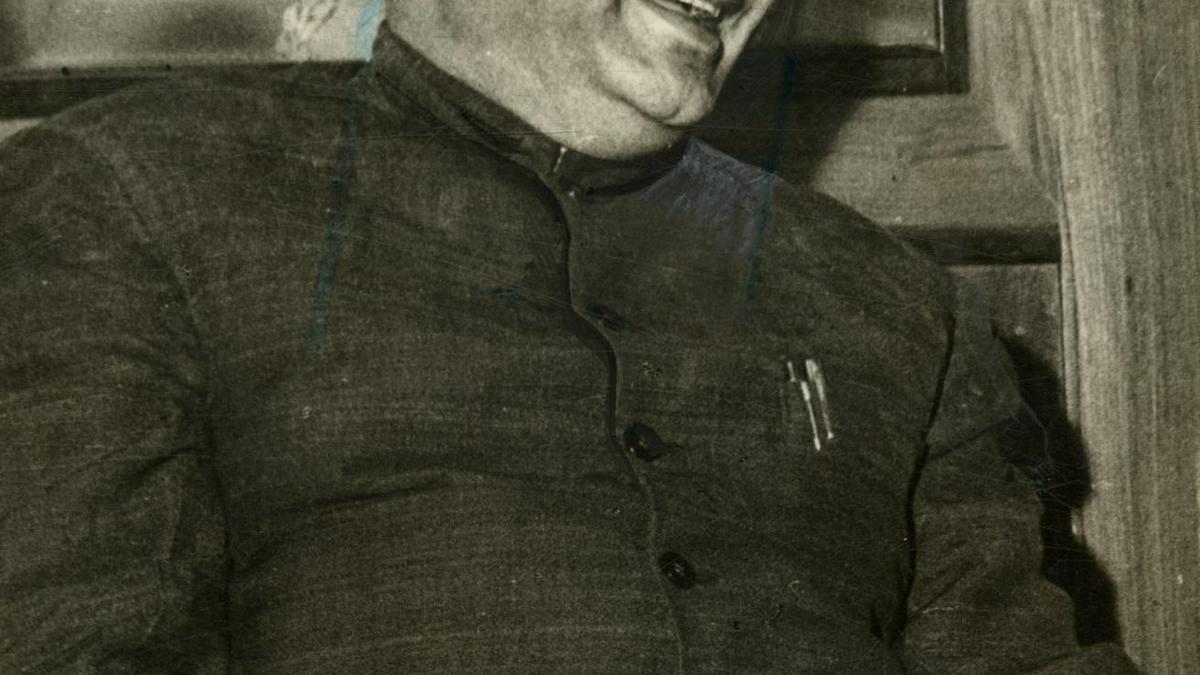
- The late D. Devaraj Urs is being promoted as a Backward Classes icon.
- The movement is inspired by the Dalit movement’s blue flag, the farmers’ green flag, the workers’ red flag, and the historical use of the yellow flag by social reformer Narayana Guru.
- The goal is to increase OBC representation in the legislature from the current 10 to at least 45.
Critical Analysis
The timing of these consolidation efforts ahead of the KSCBC report is significant. The report’s findings on the socio-economic status and population size of each caste will provide critical data for political bargaining. The exclusion of the dominant Kuruba community from the KSSBCF, and the emphasis on representing marginalized OBC groups within the HSS, suggest a strategic move to challenge the existing power dynamics within the Backward Classes bloc. This is likely driven by a perception that the Kuruba community has disproportionately benefited from existing reservation policies and political representation. The promotion of D. Devaraj Urs, a historical champion of backward classes, serves to legitimize and unify the movement under a respected figure.
Key Takeaways
- Karnataka’s political landscape is shifting as OBC groups seek greater representation.
- The upcoming KSCBC report is a catalyst for political mobilization and realignment.
- The exclusion of the Kuruba community highlights internal divisions within the Backward Classes bloc.
- Grassroots organization and symbolic representation are key strategies for consolidating political power.
- Historical figures and movements are being invoked to legitimize and unify the OBC consolidation efforts.
 First Piper