
Tue Mar 31 10:54:13 UTC 2026: ### Ukraine Escalates Attacks on Russian Oil Infrastructure as War Enters Fourth Year
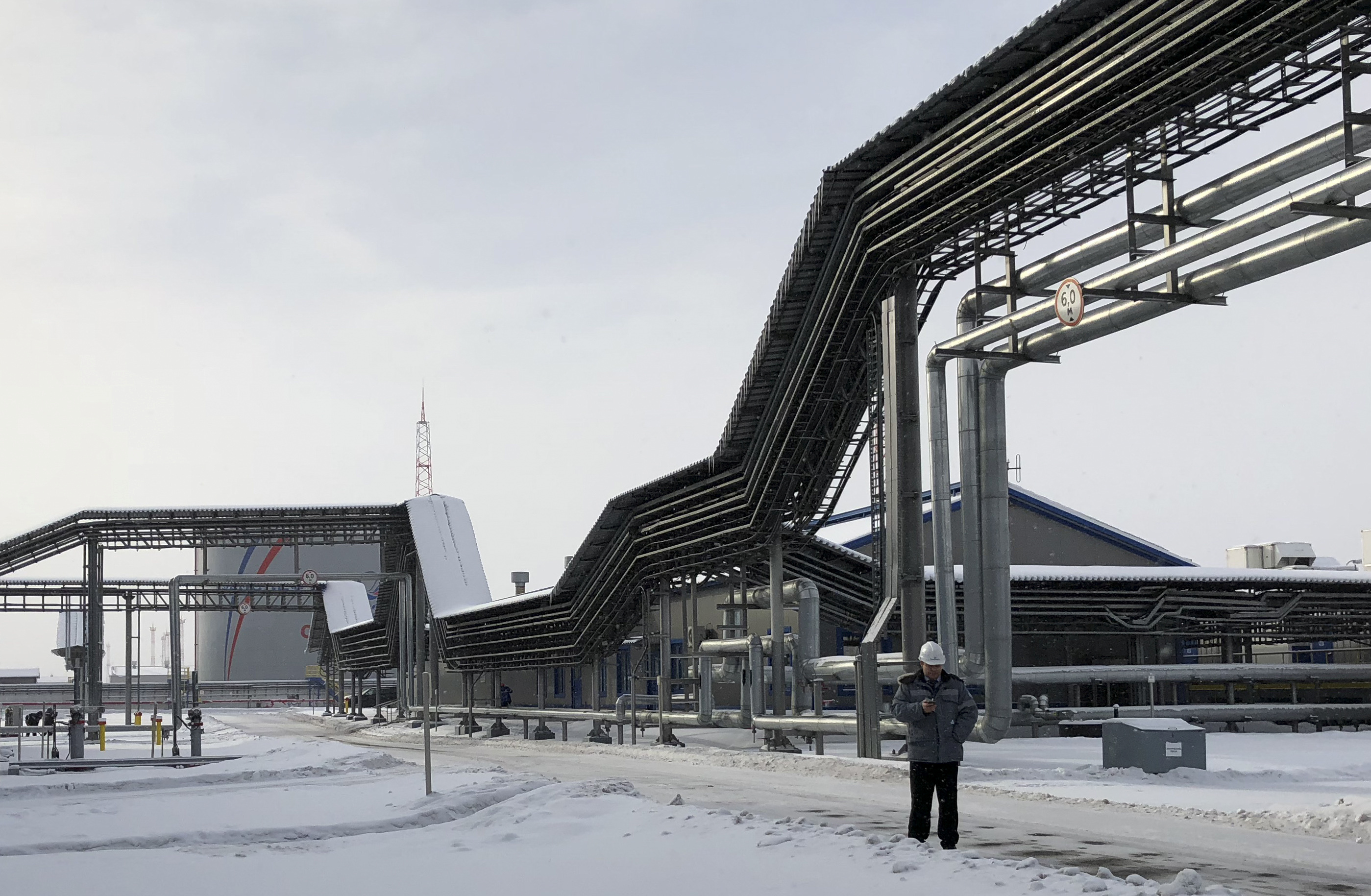
The Story: Ukraine is intensifying its attacks on Russian oil infrastructure, specifically targeting the Baltic Sea port of Ust-Luga for the fifth time in 10 days. These strikes have disrupted Russia’s oil export capacity, with reports suggesting that at least 40 percent has been halted due to drone attacks, pipeline damage, and tanker seizures. Simultaneously, Russia continues its military operations, claiming control of the village of Mala Korchakivka in the Sumy region, while launching drone attacks on Ukrainian territory. The events unfold amidst stalled peace talks, concerns over dwindling Western military aid, and rising oil prices.
Key Points:
- Ukrainian drones struck Russia’s Baltic Sea port of Ust-Luga for the fifth time in 10 days, damaging infrastructure and suspending export operations.
- Ust-Luga exported 32.9 million metric tonnes of oil products last year and handles about 700,000 barrels of crude oil per day.
- Ukraine claims to have shot down 267 out of 289 drones launched by Russia overnight.
- Russia claims to have taken control of the village of Mala Korchakivka in the Sumy region.
- Oil prices have surged, with Brent crude topping $116 a barrel, partly due to escalating tensions and disruptions to Russian oil exports.
- Approximately 40 percent of Russia’s oil export capacity has been halted due to various factors.
- Europe’s support for Ukraine is facing challenges, with a 90-billion-euro EU loan blocked by Hungary.
- EU officials marked the fourth anniversary of the Bucha massacre, reiterating their commitment to holding Russia accountable.
Critical Analysis:
The escalation of Ukrainian attacks on Russian oil infrastructure represents a calculated strategy to inflict economic pain on Russia, disrupt its ability to fund the war effort, and potentially influence the conflict’s trajectory. The timing coincides with concerns over Western military aid and stalled peace talks, suggesting a Ukrainian effort to leverage its capabilities to shift the balance of power. At the same time, the mention of the US-Israel war on Iran and the strikes on Iranian cancer drug facilities, desalination plants, missiles, drones and Navy suggest a coordinated effort to put pressure on Iran and Russia who are allies.
Key Takeaways:
- Ukraine is actively targeting Russia’s economic vulnerabilities, particularly its oil export infrastructure.
- The conflict is increasingly intertwined with global energy markets, leading to price fluctuations and economic consequences.
- The war in Ukraine is further complicated by international relations with Iran and the US.
- The conflict is further complicated by internal EU disputes over financial aid to Ukraine.
- The war in Ukraine risks becoming a protracted conflict with no immediate resolution in sight.
Impact Analysis:
The Ukrainian attacks on Russian oil facilities, coupled with broader geopolitical tensions, have several significant and long-term implications:
- Energy Market Instability: Continued disruptions to Russian oil exports will likely sustain high oil prices, impacting global economies and potentially fueling inflation.
- Escalation Risks: The intensification of attacks on Russian territory raises the risk of further escalation, potentially drawing in other actors and expanding the scope of the conflict.
- Shifting Alliances: The war could accelerate the realignment of global alliances, as countries reassess their relationships with Russia and seek new partnerships.
- Long-Term Economic Impact: The damage to Russian oil infrastructure could have lasting consequences for the Russian economy, potentially weakening its long-term competitiveness.
- Humanitarian Crisis: The ongoing conflict continues to create a humanitarian crisis, with millions displaced and in need of assistance.
 First Piper