
Tue Mar 31 14:16:09 UTC 2026: ### Rising Prices Fuel Political Firestorm Between Karnataka and the Centre
The Story:
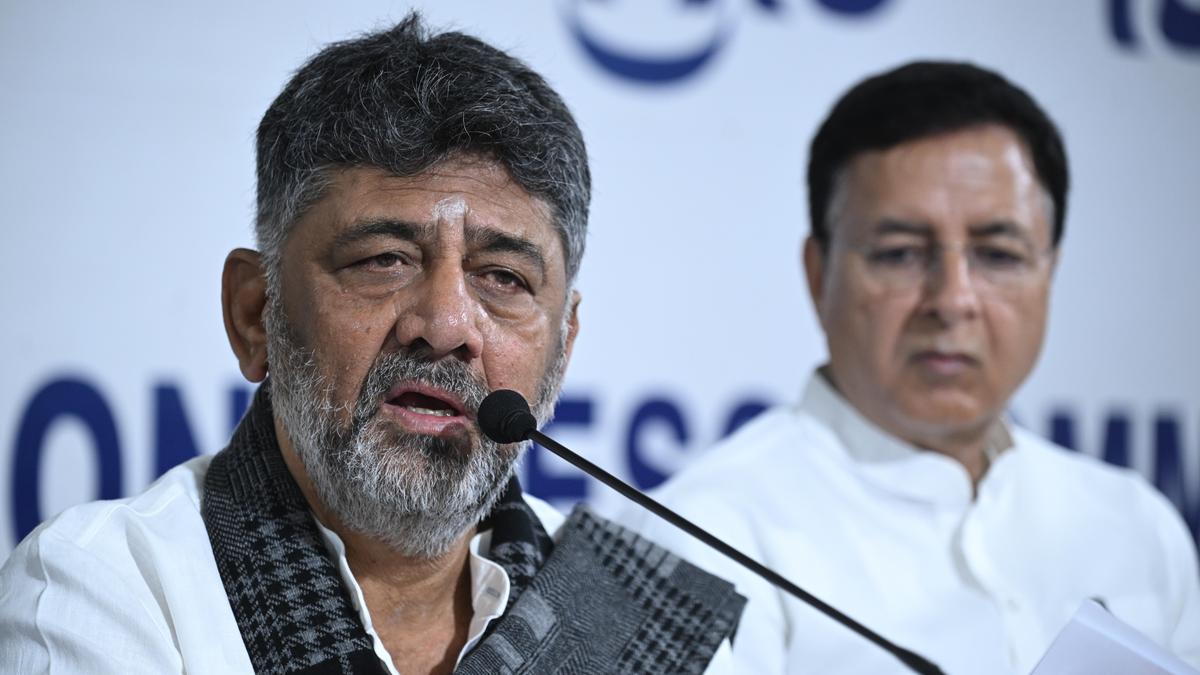
Karnataka’s Deputy Chief Minister D.K. Shivakumar has launched a sharp critique against the Central government on Tuesday, March 31, 2026, citing the escalating prices of essential commodities like fuel, cement, and iron. He attributes this economic hardship to the “wrongful policies” of the Union government, impacting ordinary citizens and government projects alike. The Deputy Chief Minister also highlighted the increased electricity consumption in the state, linking it to rising LPG prices and the closure of hotels. The BJP, in turn, has criticized the State government for increasing prices of essential services to fund its guarantee schemes.
Key Points:
- D.K. Shivakumar criticized the Centre for rising prices of fuel, cement, and iron.
- Cement prices have reportedly increased by ₹50 to ₹100 per bag.
- Iron prices have risen from ₹47,000 to ₹59,000 per tonne.
- Electricity consumption in Karnataka has increased by 10% in the last 15 days.
- The BJP is criticizing the State government for increasing prices of essential services to fund guarantee schemes.
- Fuel and LPG price surges are linked to supply shortages from the ongoing conflict in West Asia.
Key Takeaways:
- Rising prices of essential commodities are becoming a significant point of contention between the state and central governments.
- The conflict in West Asia is having a tangible impact on fuel and LPG prices in India.
- The Karnataka government is attempting to offset the impact of rising prices through its guarantee schemes.
- The BJP is using the Karnataka government’s price increases to criticize its financial management.
Impact Analysis:
The ongoing price war between the Union and State governments could have significant long-term implications. Firstly, it could fuel further political polarization, especially with ongoing elections in five states. Secondly, sustained high prices could erode public trust in both levels of government. Finally, the success or failure of Karnataka’s guarantee schemes will be closely watched as a potential model or cautionary tale for other states facing similar economic pressures. The reliance on these schemes as a “financial protection” mechanism highlights a vulnerability to external economic shocks, such as the West Asia conflict.
 First Piper