
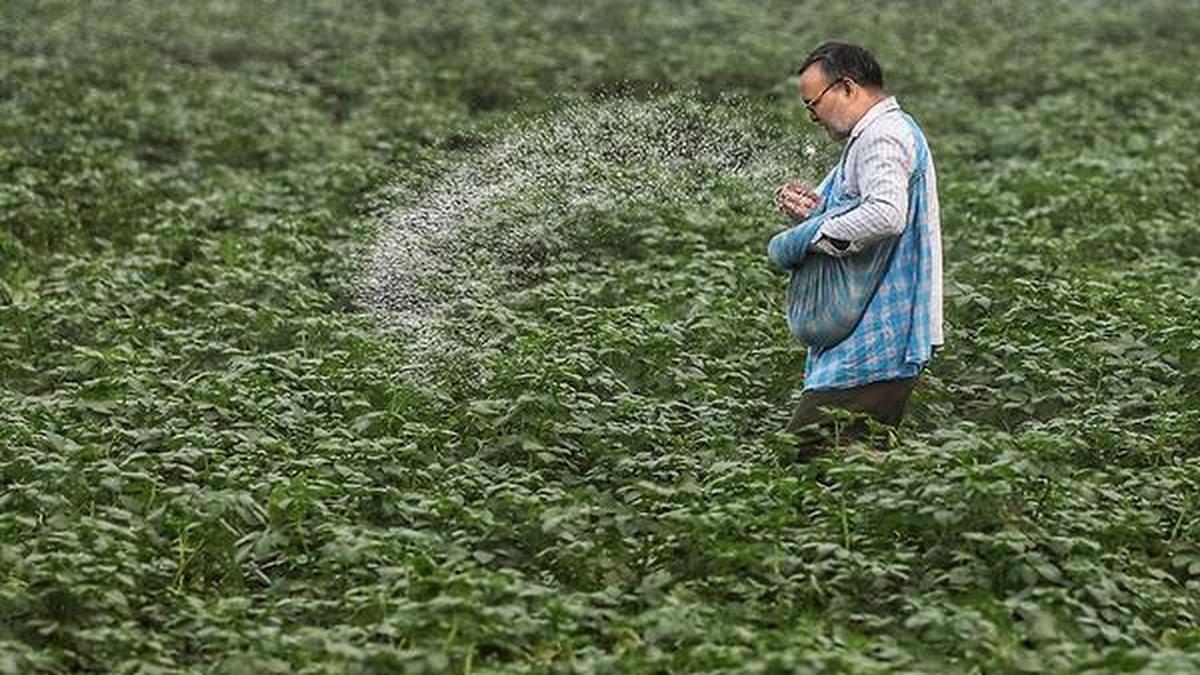
Mon Mar 30 21:37:57 UTC 2026: # India Grapples with Fertilizer Supply Chain Disruptions Amidst West Asia Conflict
The Story:
India is facing significant challenges in securing fertilizer supplies due to the ongoing conflict in West Asia. Spot prices for liquified natural gas (LNG), a crucial input for fertilizer production, have surged from around $11/MMBtu before the war to approximately $19/MMBtu. The conflict has disrupted supply chains, impacting the availability and cost of essential inputs like LNG, ammonia, and sulphur, as well as increasing freight and logistics expenses. A major concern is the attack on QatarEnergy facilities, a key natural gas supplier to India. Despite these challenges, the Indian government is taking steps to mitigate the impact on domestic urea production and is diversifying its sources for raw materials.
Key Points:
- Spot prices of LNG for the fertilizer industry have risen to about $19/MMBTU due to the conflict in West Asia, up from $11/MMBtu pre-war.
- India relies on the spot market for approximately 30% of the fertilizer industry’s requirements.
- 20-30% of India’s urea and 30% of its diammonium phosphate (DAP), along with almost half of its natural gas, are sourced from the Gulf region.
- QatarEnergy, a major Indian supplier, was attacked amidst the escalating conflict.
- The government estimates the upcoming Kharif sowing season requirement to be about 390 lakh tonnes, with current stocks at around 180 lakh tonnes.
- Urea production has increased by 12,000-15,000 tonnes per day due to alternative natural gas arrangements.
- India is diversifying its raw material sources, including Russia, Morocco, Australia, and others.
Critical Analysis:
The historical context provided highlights the growing concern surrounding the crisis in West Asia. The “Opposition seeks discussion on impact of West Asia crisis” item directly correlates with the fertilizer supply issues. This suggests the Indian government is under pressure to address the economic consequences of the conflict, particularly regarding essential agricultural inputs. The attack on QatarEnergy, mentioned in the primary article, is a significant event that further exacerbates the supply chain vulnerability.
Key Takeaways:
- The conflict in West Asia poses a significant threat to India’s fertilizer supply chain and agricultural production.
- The surge in LNG prices will likely increase the cost of fertilizers, potentially impacting farmers and food prices.
- Diversifying supply sources is a crucial strategy for India to mitigate the impact of geopolitical instability.
- The government is actively intervening to maintain urea production levels, but challenges remain.
- The reliance on the Gulf region for critical resources makes India vulnerable to regional conflicts.
Impact Analysis:
The disruption to fertilizer supplies could have significant long-term implications for India’s agricultural sector and economy. Increased fertilizer costs may lead to lower crop yields, impacting food security and potentially driving up food prices. The government’s efforts to augment natural gas supply and diversify raw material sources are crucial, but the success of these strategies will determine the extent of the impact. A prolonged conflict in West Asia could necessitate a significant overhaul of India’s fertilizer procurement and production strategies, potentially including increased domestic production and investment in alternative fertilizer technologies.
 First Piper