
Mon Mar 30 10:12:05 UTC 2026: ### Headline: WTO Ministerial Conference Ends in Deadlock Over E-Commerce Tariffs
The Story:
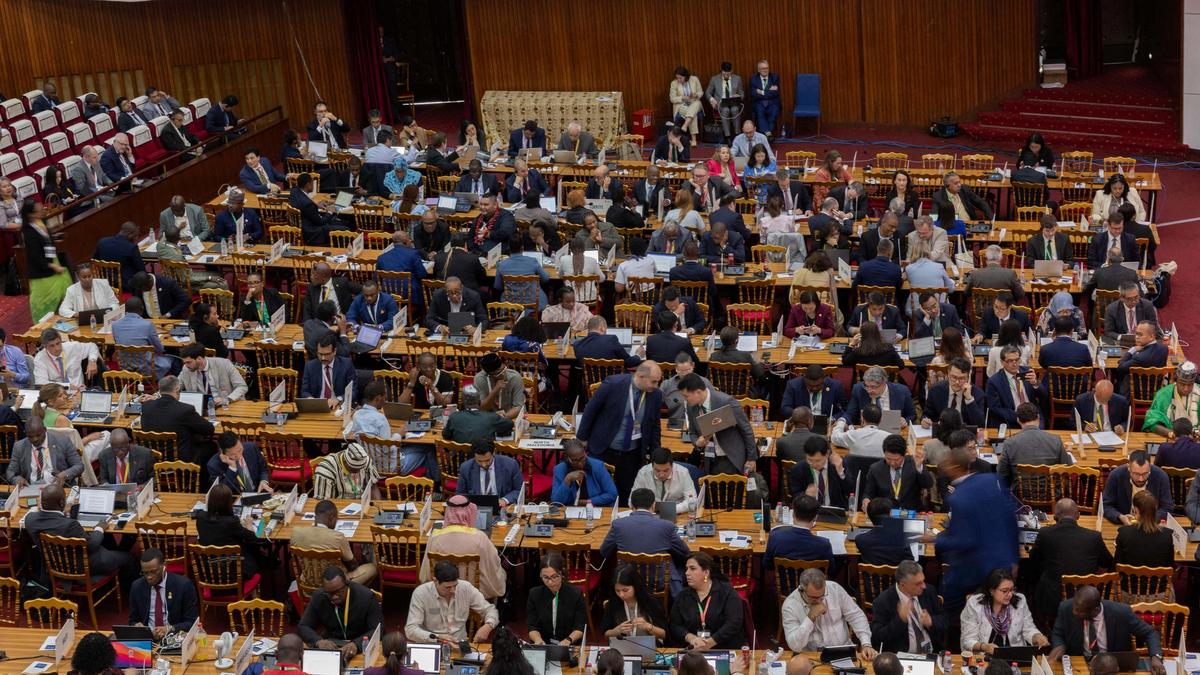
The 14th Ministerial Conference (MC14) of the World Trade Organization (WTO) concluded on Monday, March 30, 2026, in Yaounde, Cameroon, without a resolution on the extension of the moratorium on customs duties for electronic commerce. This moratorium, in place since 1998, has prevented countries from imposing tariffs on digital downloads and streaming. The talks reached an impasse, primarily between Brazil and the U.S., with developing nations generally opposing extensions due to potential revenue losses and limitations on policy space. The failure to reach an agreement means the moratorium has lapsed for the first time in 26 years, potentially opening the door for tariffs on digital transmissions.
Key Points:
- The WTO’s MC14, held in Yaounde, Cameroon from March 26-30, 2026, failed to extend the moratorium on customs duties for electronic commerce.
- The moratorium, in effect since May 1998, prohibits WTO members from imposing tariffs on electronic transmissions.
- The U.S. advocated for a five-year extension, while some member countries opposed any extension or favored a two-year duration.
- Developing countries, including India, opposed a long-term extension, citing potential revenue losses and limited policy space.
- The lapse of the moratorium also led to the expiry of the safeguard against non-violation complaints under the TRIPS Agreement.
- Estimates suggest potential tariff revenue losses of about $10 billion annually for developing countries, with India potentially losing over $500 million each year.
- Talks on WTO reform also failed to yield a consensus, with disagreements between advanced and developing economies.
Key Takeaways:
- The failure to extend the moratorium underscores the growing tensions between developed and developing nations regarding the digital economy and trade policies.
- The potential imposition of tariffs on electronic transmissions could significantly impact the global digital trade landscape, particularly for U.S. tech firms.
- The lapse of the TRIPS safeguard increases the risk of disputes over intellectual property rules, especially for countries like India with specific patent laws.
- The inability to reach a consensus on WTO reform highlights the challenges in modernizing the organization to address the evolving global economic order.
- The continuation of talks in Geneva signals an ongoing effort to resolve these critical issues, but the path forward remains uncertain.
Impact Analysis:
- Economic Impact: The imposition of tariffs on e-commerce could lead to increased costs for consumers and businesses involved in digital trade. Developing countries may benefit from increased tariff revenue but could also face retaliatory measures from trading partners. The impact on U.S. tech giants, who have benefited significantly from the moratorium, could be substantial.
- Trade Relations: The deadlock could further strain relationships between developed and developing nations within the WTO framework. It may also prompt countries to explore alternative trade agreements outside the WTO, potentially weakening the organization’s influence.
- Intellectual Property: The expiry of the TRIPS safeguard could lead to more frequent challenges to intellectual property regulations, particularly in developing countries with public health concerns. This could affect access to essential medicines and technologies.
- Policy Space: Developing countries may now have greater policy flexibility to regulate digital imports and generate additional tariff revenue, but this could also lead to protectionist measures that hinder global trade.
- Future Negotiations: The upcoming talks in Geneva will be crucial in determining the future of e-commerce regulation and WTO reform. Whether members can bridge their differences and forge a consensus remains to be seen.
 First Piper