
Mon Mar 30 14:23:16 UTC 2026: ### Headline: Escalating West Asia Conflict Claims Lives of Eight Indian Nationals; MEA Monitors Situation
The Story:
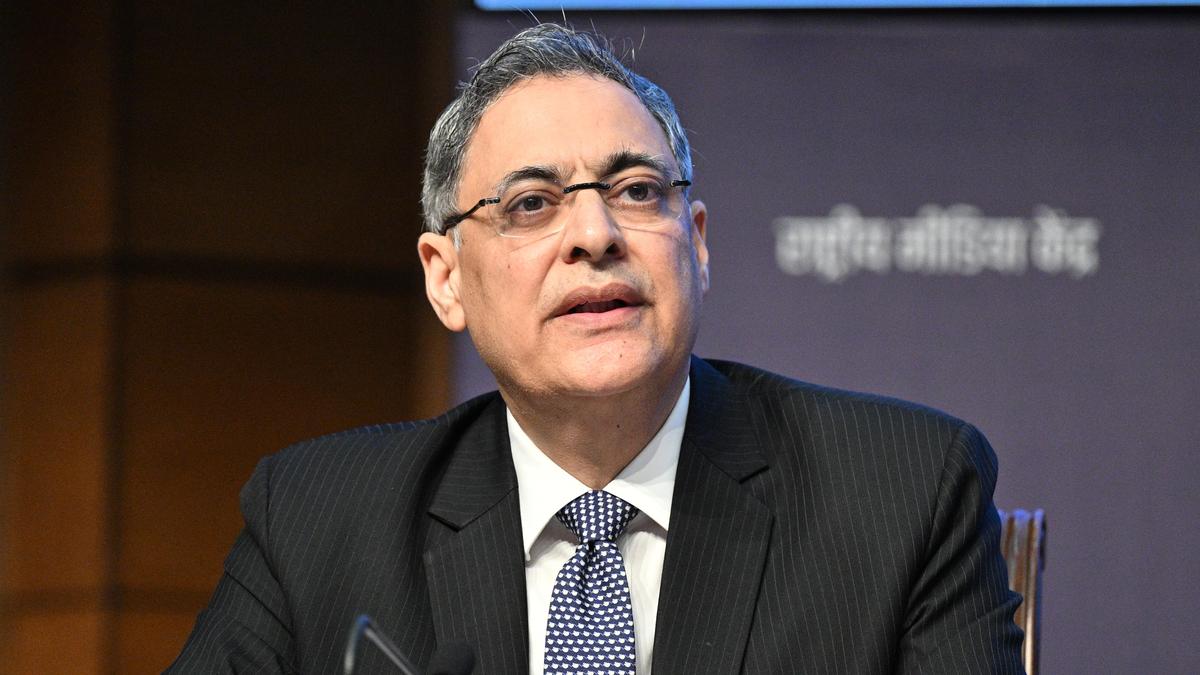
The Ministry of External Affairs (MEA) confirmed on March 30, 2026, that eight Indian nationals have died and one remains missing in the escalating conflict in West Asia. This announcement follows an inter-ministerial briefing in New Delhi, where Additional Secretary (Gulf), Aseem R. Mahajan, provided updates on the worsening situation. The MEA is closely monitoring developments, reiterating calls for restraint, de-escalation, and the use of dialogue and diplomacy to resolve the conflict. The Indian government is prioritizing the safety and welfare of the large Indian community in the region, operating helplines, issuing advisories, and engaging with community organizations.
The situation has also impacted travel and academic activities. Several countries have closed their airspace, disrupting flight operations. The MEA is facilitating travel for Indian nationals through alternative routes, and the CBSE has notified assessment schemes for students affected by the cancellation of exams.
Key Points:
- Eight Indian nationals have died and one remains missing in the West Asia conflict as of March 30, 2026.
- One Indian national died in an attack in Kuwait on March 29, 2026.
- Since February 28, 2026, approximately 5.5 lakh passengers have returned from the region to India.
- Prime Minister Narendra Modi spoke with the Crown Prince and PM of Saudi Arabia, Prince Mohammed bin Salman, on March 28, 2026, discussing the conflict and the need to ensure freedom of navigation.
- The MEA is facilitating travel for Indian nationals through alternative routes due to airspace closures in Kuwait and Bahrain.
- The CBSE has notified assessment schemes for the declaration of results for Class X and Class XII in the region, following the cancellation of exams.
- Airlines are operating limited non-scheduled flights between India and the UAE, Saudi Arabia, and Oman.
Critical Analysis:
The historical context shows a multifaceted impact from the war. The Telangana Assembly’s condemnation, disruption of used-car exports, and political campaigning in India highlights the far-reaching consequences. BJP’s campaign ban request on West Bengal CM indicates the divisive political climate within India, potentially exacerbated by the international crisis. These events suggest the conflict is not only impacting international relations and the safety of Indian citizens abroad but also domestic politics and economic activity.
Key Takeaways:
- The West Asia conflict is directly impacting the lives of Indian citizens in the region.
- The Indian government is actively involved in evacuating its citizens and providing support.
- The conflict has broader implications for the Indian economy and domestic politics.
- Diplomatic efforts are underway to de-escalate the conflict and ensure regional stability.
- Contingency plans are in place to address the academic concerns of Indian students in the affected areas.
Impact Analysis:
The ongoing conflict in West Asia poses significant long-term implications for India:
- Economic Impact: Disruption to trade routes, rising energy prices, and the potential impact on remittances from Indian workers in the Gulf could negatively affect the Indian economy. The disruption of Asia’s used-car exports to the Middle East is one specific example.
- Geopolitical Implications: The conflict could reshape regional alliances and potentially draw India into a more active role in regional security. India’s condemnation of attacks on regional energy infrastructure emphasizes its strategic interest in the region.
- Diaspora Concerns: The safety and welfare of the large Indian diaspora in the Gulf region remain a primary concern, requiring continuous monitoring and potential evacuation efforts.
 First Piper