
Mon Mar 30 13:32:09 UTC 2026: # Global Tensions Rise as India Focuses on Internal Security and Economic Reforms
The Story:
On March 30, 2026, a complex web of national and international events unfolded, ranging from internal security improvements in India to escalating tensions in the Middle East. Domestically, India focused on combating Maoism, reforming insolvency laws, and preparing for a digital census. Internationally, the threat of military action loomed over Iran, while trade negotiations stalled at the WTO. These events occurred against a backdrop of rising global economic volatility, reflected in the rupee’s weakening against the dollar.
Key Points:
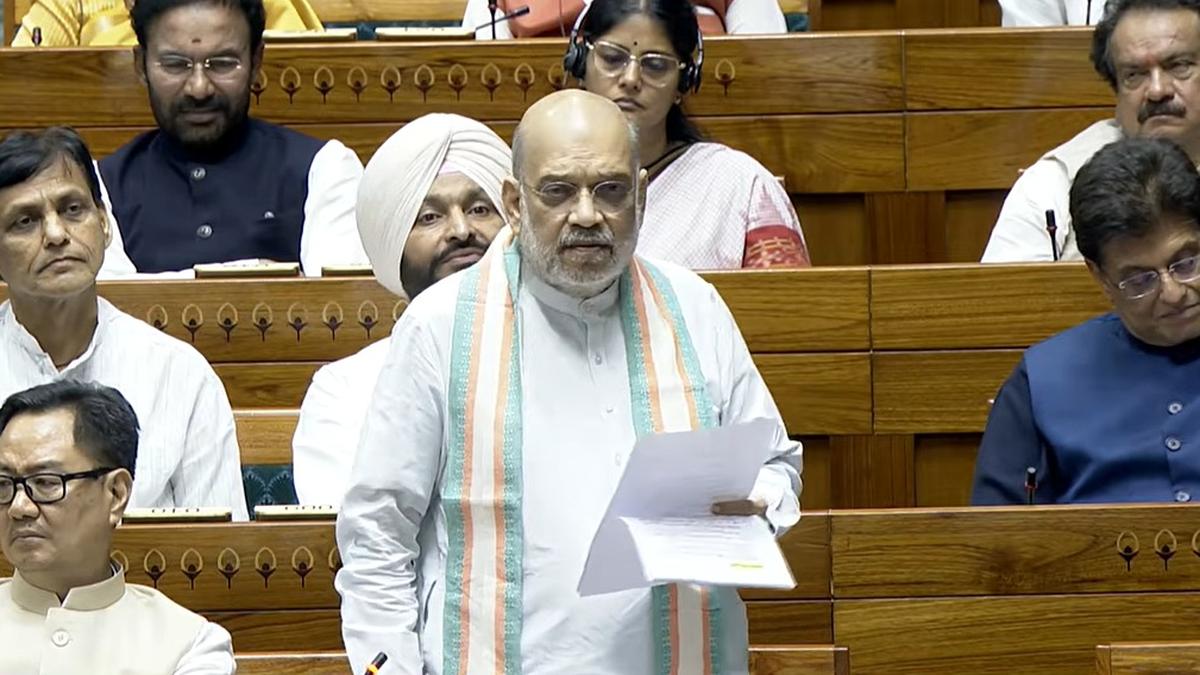
- Union Home Minister Amit Shah declared that Maoism is “almost finished” in Chhattisgarh’s Bastar region.
- U.S. President Donald Trump threatened military action against Iran if a deal isn’t reached and the Strait of Hormuz isn’t reopened.
- The Lok Sabha passed a bill amending the Insolvency and Bankruptcy Code (IBC) to streamline processes.
- The 2027 Population Census will be conducted digitally, with most data published in 2027.
- Iran confirmed that an Israeli strike killed the commander of its Revolutionary Guards’ naval force.
- The WTO’s MC14 concluded without resolving the issue of extending the moratorium on customs duties on electronic commerce.
- The Indian Rupee breached the 95/dollar-mark due to Iran war escalation.
Critical Analysis:
The timing of these events is noteworthy. The focus on internal security in India, coupled with economic reforms, suggests a strategic effort to strengthen the nation’s stability amidst global uncertainty. The U.S.-Iran tensions, impacting global markets and the rupee, highlight India’s vulnerability to external geopolitical events.
Key Takeaways:
- India is actively working to consolidate internal security and economic frameworks.
- Geopolitical tensions in the Middle East pose a significant risk to India’s economic stability.
- The digital census represents a major step towards modernizing data collection in India.
- The failure to extend the WTO moratorium on e-commerce duties could have long-term implications for global digital trade.
- Domestic political events in neighboring countries like Nepal can have regional security implications.
Impact Analysis:
The successful implementation of the amended IBC could improve India’s business climate and attract investment. The digital census promises more efficient data analysis, potentially leading to better policy decisions. However, the unresolved tensions in the Middle East, particularly the U.S.-Iran conflict and its impact on oil prices and the rupee, could significantly impact India’s economic growth and fiscal stability in the long term. The outcome of the Iranian situation will dictate a large part of the global economic situation.
 First Piper