
Mon Mar 30 16:50:28 UTC 2026: ### Headline: Top Maoist Leader Surrenders, Cites Loss of Public Support and Failed Ideology
The Story:
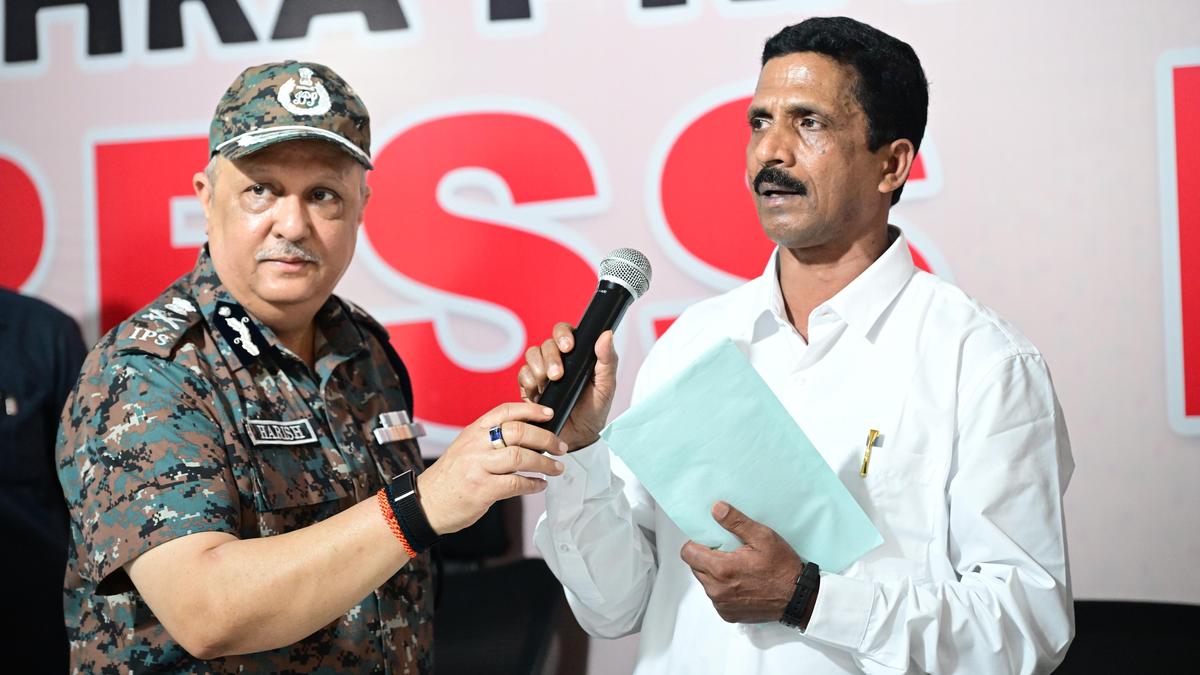
Chelluru Narayana Rao, alias Somanna, a Central Committee Member (CCM) of the CPI-Maoist and secretary of the Andhra Odisha Border Special Zonal Committee (AOBSZC), surrendered to Andhra Pradesh DGP Harish Kumar Gupta on Monday, March 30, 2026, in Vijayawada. Rao expressed regret for the violence he committed during his 36 years with the Maoist movement, including his involvement in the killings of MLA Kidari Sarveswara Rao and former MLA Siveri Someswara Rao in 2018, and CI Muddada Gandhi in 2001. He cited the government’s welfare schemes, the movement’s loss of public support, and the failure of its ideology to adapt to the times as reasons for his surrender.
Key Points:
- Chelluru Narayana Rao, a senior Maoist leader, surrendered to police in Vijayawada on March 30, 2026.
- Rao was a CCM of the CPI-Maoist and secretary of the AOBSZC.
- He admitted regret for his involvement in several killings, including those of elected officials and police personnel.
- Rao attributed his surrender to the Maoist movement’s loss of public support and the failure of its ideology.
- He acknowledged the positive impact of government welfare schemes in tribal areas.
- He had been associated with the CPI-Maoist party for 36 years.
Critical Analysis:
The surrender of a high-ranking Maoist leader like Chelluru Narayana Rao suggests a significant shift in the landscape of left-wing extremism in India. The related context highlights several key factors contributing to this shift. Union Home Minister Shah’s statement from the previous day that Maoists were “almost wiped out from Bastar” and the news of only 11 Telangana Maoists remaining underground signal a weakening of the movement’s strongholds. The top cop urging the remaining 11 to surrender further emphasizes this point. The fact that Rao cited the failure of the Maoist ideology to keep pace with time and the positive impact of government welfare schemes directly reflects the changing socio-political dynamics in the affected regions.
Key Takeaways:
- The Maoist movement in India is facing a decline in influence and operational capacity.
- Government welfare schemes are playing a role in reducing public support for Maoist ideology.
- The surrender of a key leader like Chelluru Narayana Rao is a significant blow to the Maoist organization.
- The Maoist movement’s inability to adapt to changing times contributes to its downfall.
Impact Analysis:
The surrender of Chelluru Narayana Rao could have a cascading effect on the remaining Maoist cadres, potentially leading to more surrenders and a further weakening of the movement. This event could pave the way for increased stability and development in the affected regions, as well as create opportunities for the government to implement more effective counter-insurgency strategies. The information provided by Rao could also be invaluable in dismantling remaining Maoist networks and preventing future violence. The event signals a potential shift from conflict to development in the affected regions.
 First Piper