
Mon Mar 30 08:01:19 UTC 2026: ### TMC Challenges Election Commission’s Mass Transfers in Calcutta High Court
The Story:
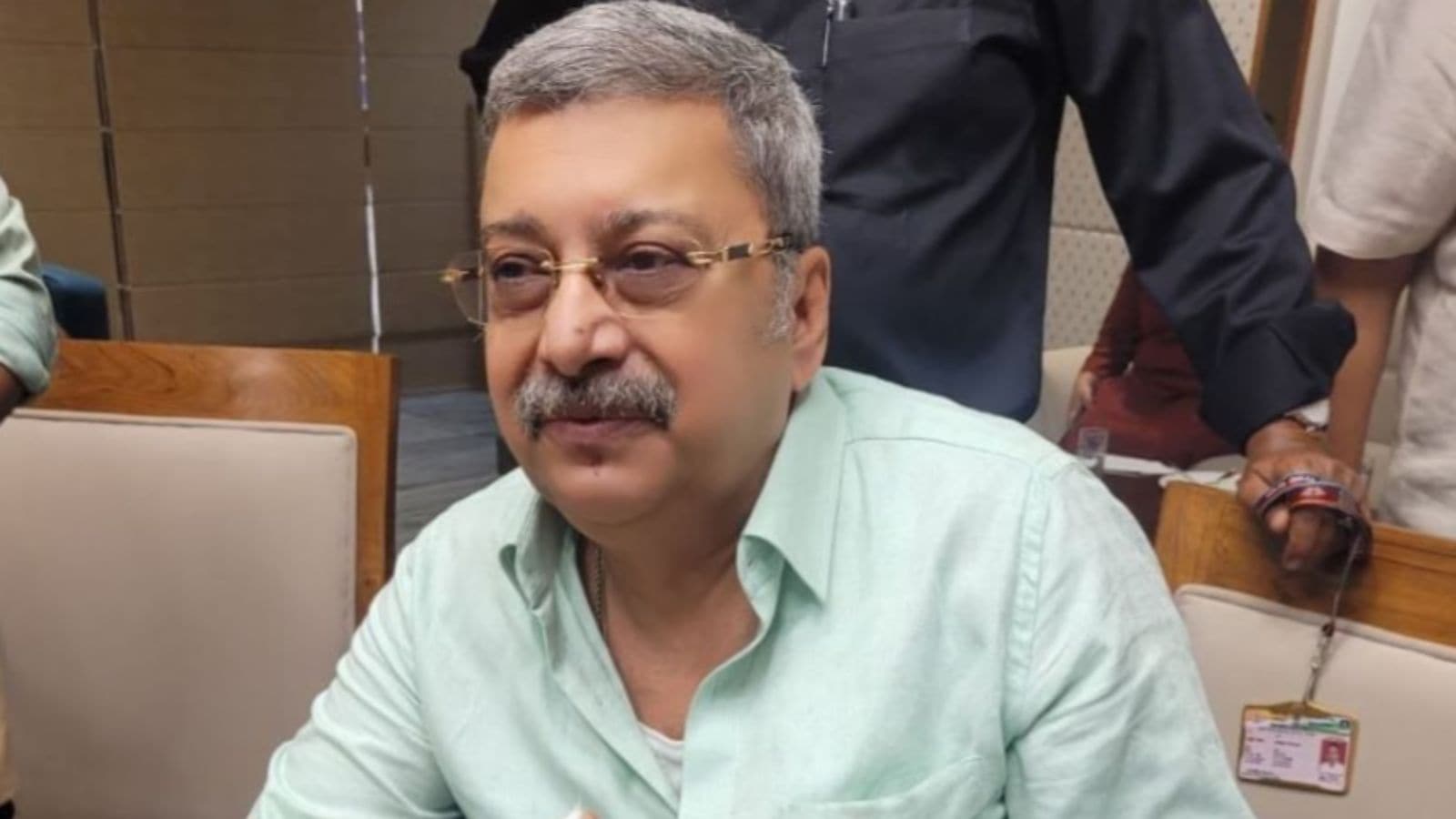
With the West Bengal Assembly elections rapidly approaching, the Trinamool Congress (TMC) has filed a Public Interest Litigation (PIL) in the Calcutta High Court, contesting the Election Commission’s (EC) decision to transfer a large number of state officials. Senior TMC MP Kalyan Banerjee brought the matter before Chief Justice Sujay Paul’s division bench, arguing that these transfers are disrupting the administration’s functioning. The court granted permission for the PIL to be filed, with a hearing scheduled for Tuesday.
The EC’s transfer orders have sparked a confrontation between the state government and the central authority. The transfers include officers-in-charge and inspectors-in-charge of 173 police stations, impacting 184 police officials, as well as 83 Block Development Officers (BDOs) across 18 districts and one assistant returning officer. The TMC alleges that these transfers are politically motivated, a claim disputed by Union Home Minister Amit Shah.
Key Points:
- The Trinamool Congress (TMC) has filed a PIL in the Calcutta High Court against the Election Commission’s mass transfer of state officials.
- Kalyan Banerjee, TMC MP, argued that the transfers are causing administrative problems.
- The Election Commission (EC) transferred officers-in-charge and inspectors-in-charge of 173 police stations, affecting 184 police officials.
- 83 Block Development Officers (BDOs) across 18 districts and one assistant returning officer were also transferred.
- The TMC believes the transfers are politically motivated, while Amit Shah claims such reshuffles are normal during elections.
- Election dates were announced on March 15, immediately activating the model code of conduct.
- The West Bengal Assembly elections are scheduled for April 23 and 29, with counting on May 4.
Critical Analysis:
The TMC’s move to challenge the EC’s transfers in court underscores the high stakes and intense political maneuvering surrounding the upcoming West Bengal Assembly elections. The BJP’s recent call for the EC to debar Mamata Banerjee suggests a pattern of escalating tensions and accusations of misconduct from both sides. The EC’s actions, coupled with the TMC’s strong reaction, highlight the critical role of election management in ensuring a level playing field and maintaining public trust in the electoral process. The timing of the transfers, immediately after the announcement of election dates, indicates a proactive approach by the EC to potentially mitigate any perceived biases or undue influence.
Key Takeaways:
- The TMC views the EC’s actions as a direct challenge to its authority and a potential attempt to undermine its electoral prospects.
- The legal challenge indicates a lack of trust between the ruling party and the Election Commission.
- The mass transfers reflect the EC’s commitment to enforcing the model code of conduct and ensuring fair elections, even if it means disrupting the existing administrative structure.
- The confrontation highlights the politicized nature of administrative appointments and transfers in India, especially during election periods.
- The outcome of the PIL hearing in the Calcutta High Court will likely have significant implications for the conduct of the upcoming elections and the relationship between the state government and the Election Commission.
Impact Analysis:
The outcome of the Calcutta High Court hearing on the TMC’s PIL will have a ripple effect on the upcoming elections. If the court rules in favor of the TMC, it could force the EC to reconsider its transfer policy, potentially restoring some officials to their previous positions. This would be seen as a victory for the TMC and could boost their morale heading into the elections. Conversely, if the court upholds the
 First Piper