
Sun Mar 29 19:18:43 UTC 2026: Headline: AIADMK Gains Advantage in Seat Allotment for Tamil Nadu Assembly Elections; BJP and Allies Vie for Remainder
The Story:
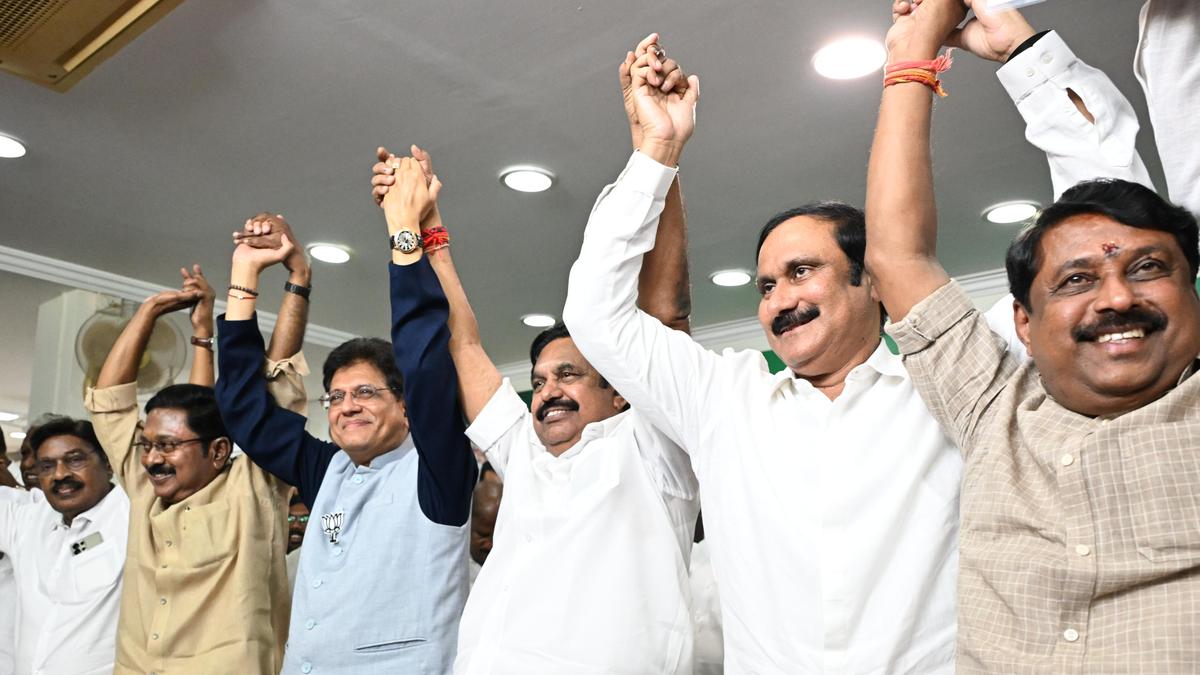
As the 2026 Tamil Nadu Assembly elections approach, the All India Anna Dravida Munnetra Kazhagam (AIADMK) has secured the majority of Assembly seats where a combined AIADMK-Bharatiya Janata Party (BJP) alliance would have outperformed the DMK-led Secular Progressive Alliance (SPA) in the 2024 Lok Sabha elections. Out of the 85 such segments, AIADMK has retained 65. The remaining seats are allotted to the BJP and Pattali Makkal Katchi (PMK), with smaller parties also receiving representation. This strategic allocation highlights the AIADMK’s dominant position within the alliance and its focus on key regions, particularly the western districts.
Key Points:
- AIADMK secured 65 out of 85 Assembly segments where a combined AIADMK-BJP alliance would have led in the 2024 Lok Sabha elections.
- BJP and PMK received 8 seats each, with the remaining seats allocated to smaller parties.
- In 2024, when PMK was part of the BJP-led NDA, it was ahead in three Assembly segments, two of which (Pennagaram and Dharmapuri) have been allocated to them.
- DMDK, previously with AIADMK in 2024, is now aligned with the DMK, leading to shifting dynamics.
- 31 of AIADMK’s seats are in the western region, a stronghold for the party.
- Former Chief Minister O. Paneerselvam, who contested as an independent under the NDA in 2024, is now a DMK candidate.
Critical Analysis:
The seat allocation reflects a power dynamic within the alliance, where the AIADMK aims to leverage its existing strengths and regional dominance. By securing the lion’s share of potentially winning seats, the AIADMK positions itself as the central force in the alliance, potentially influencing the post-election government formation. The BJP and other smaller parties are likely accepting these terms in the hopes of gaining a foothold in the state assembly and expanding their influence. The shift in alliances, with DMDK joining the DMK, further complicates the electoral landscape and suggests a fluidity in political affiliations based on perceived opportunities for power.
Key Takeaways:
- AIADMK is strategically positioning itself for a dominant role in the upcoming assembly elections.
- The BJP and PMK are playing supporting roles, aiming to increase their representation.
- Alliance dynamics are fluid, with parties shifting allegiances to maximize their electoral prospects.
- Regional strongholds are crucial for AIADMK’s electoral strategy.
- The election outcome hinges on the ability of these alliances to convert potential leads into actual victories.
Impact Analysis:
The current seat allocation strategy signifies a potential power structure within the AIADMK-led alliance. If the alliance succeeds in winning the election, the AIADMK is likely to hold significant sway in policy decisions and government formation, given its larger share of seats. This could lead to a focus on policies that benefit the western region and cater to the AIADMK’s core voter base. The BJP’s success will depend on its ability to convert its allocated seats into wins, which would allow it to increase its influence in Tamil Nadu politics. The smaller parties will aim to establish their presence and negotiate for favorable terms within the coalition. The shift in alliances, with DMDK joining the DMK, indicates a potential realignment of political forces in the state, which could have long-term implications for the future of Tamil Nadu politics. The ability of these
 First Piper