
Mon Mar 30 16:17:25 UTC 2026: # Spain Bans U.S. Military Aircraft from Airspace Amid Escalating Iran War
The Story:
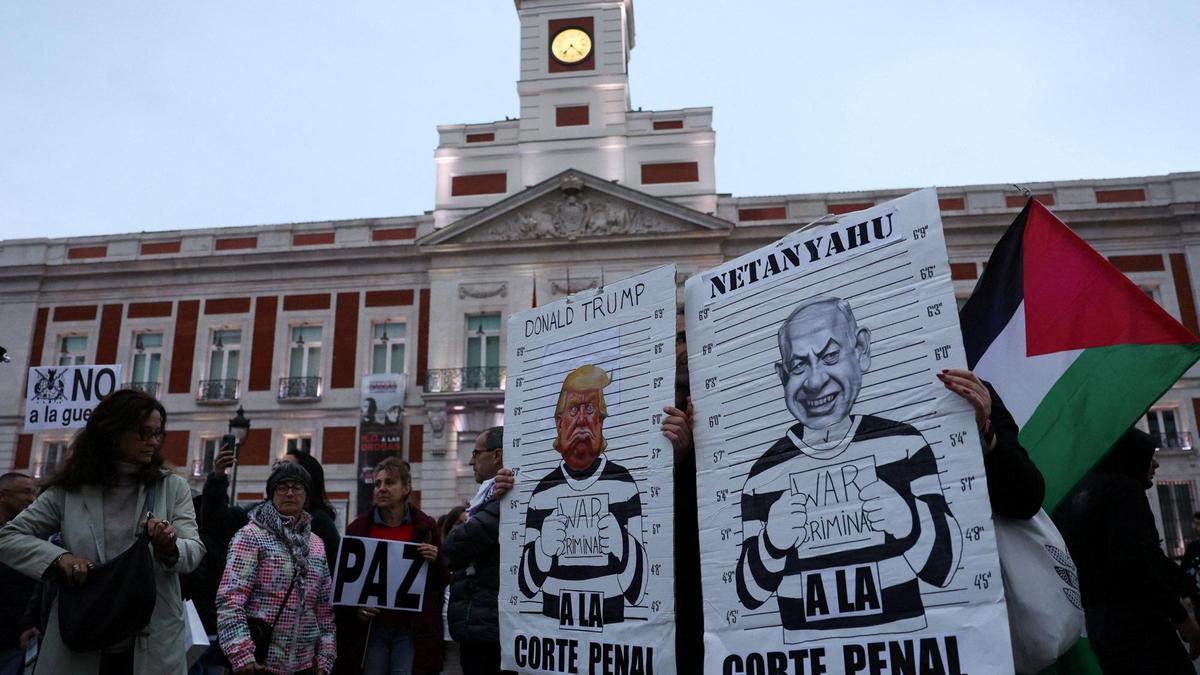
Spain has officially closed its airspace to U.S. planes involved in the ongoing war in Iran. This decision, announced on Monday, March 30, 2026, by Defence Minister Margarita Robles, reinforces the Spanish government’s opposition to U.S. and Israeli military actions in West Asia. The move follows Spain’s earlier refusal to allow the U.S. to use jointly-operated military bases for the conflict, which Prime Minister Pedro Sanchez has vehemently criticized as illegal and unjust.
Key Points:
- Spain has closed its airspace to U.S. planes involved in the Iran war.
- Defence Minister Margarita Robles stated that Spain had made its position clear from the beginning: neither Spanish bases nor airspace are authorized for actions related to the Iran war.
- Prime Minister Pedro Sanchez has described the U.S. and Israeli involvement in the Iran conflict as “illegal, reckless and unjust.”
- The U.S. President Donald Trump has threatened to cut trade with Spain in response to the denial of access to military bases.
- Spain’s government has also been critical of Israel’s actions in the war in Gaza.
Critical Analysis:
The decision by Spain to close its airspace and deny the use of its military bases to the U.S. signifies a major rift in transatlantic relations, particularly between Spain and the U.S. under President Trump. The consistent pattern of disagreement, dating back to defense spending disputes and criticism of Israeli actions, suggests a fundamental divergence in foreign policy and values. This defiance, especially from a prominent European nation, challenges the traditional U.S. dominance in international affairs and could embolden other nations to question U.S. foreign policy decisions.
Key Takeaways:
- Spain is emerging as a leading voice of opposition within Europe against U.S. foreign policy in West Asia.
- The U.S.’s reliance on economic threats to enforce its foreign policy objectives is straining relationships with allies.
- The Iran war is creating significant divisions within Europe, testing the unity of the alliance.
- Spain’s actions highlight a growing sentiment among some nations that U.S. foreign policy actions are “illegal and unjust.”
- The conflict underscores the potential for significant economic repercussions for nations that oppose U.S. foreign policy.
Impact Analysis:
Spain’s stance could have far-reaching implications. Firstly, it could embolden other European nations to adopt a more critical stance towards U.S. foreign policy, potentially weakening the transatlantic alliance. Secondly, the economic threats from the U.S. could escalate into a trade war, further destabilizing the global economy. Finally, this event could reshape the dynamics of international relations, potentially leading to a multipolar world where U.S. influence is diminished. The long-term consequences will depend on how the Iran war unfolds and how the U.S. responds to this challenge to its authority.
 First Piper