
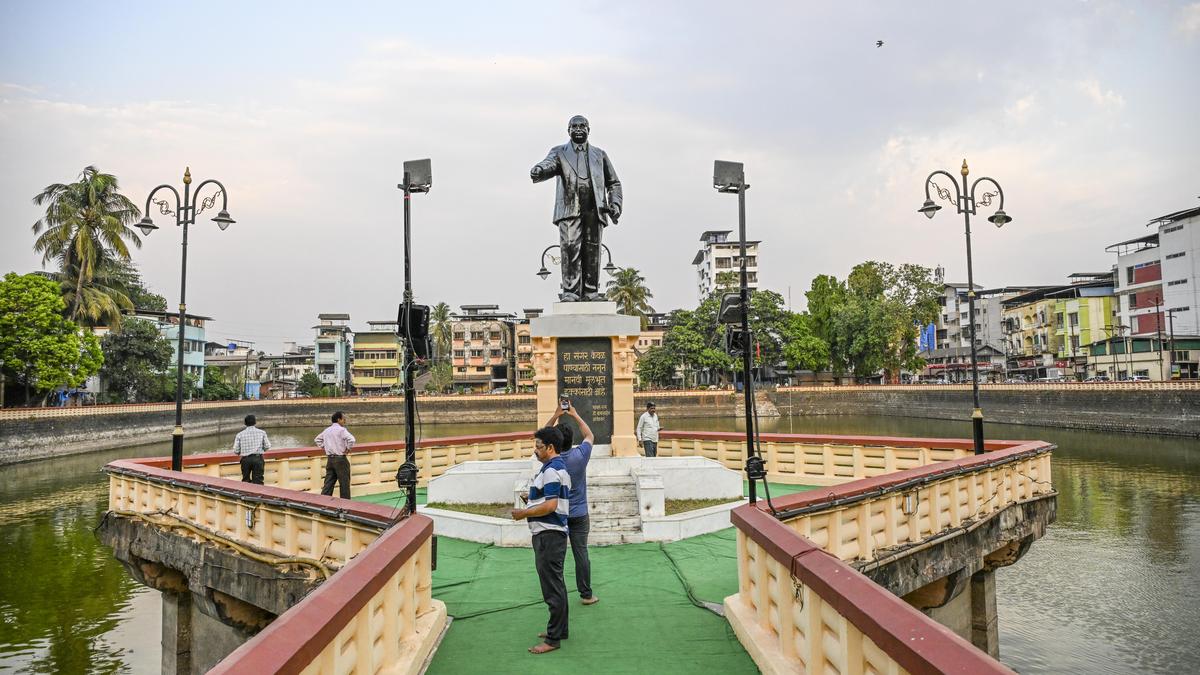
Mon Mar 30 05:14:35 UTC 2026: ### Neglect Threatens Legacy of Dalit Movement’s Cradle in Maharashtra
The Story:
A poignant report from Dasgaon and Mahad, Maharashtra, reveals a disturbing disconnect between the historical significance of the region as the birthplace of the Dalit movement and the present-day awareness of its residents. The article highlights the forgotten contributions of local figures like Ramchandra Babaji More, who spearheaded early satyagrahas against caste-based discrimination, paving the way for the larger Mahad Satyagraha led by Dr. Babasaheb Ambedkar in 1927. Despite the annual pilgrimages by lakhs of Dalits to Mahad, the specific sites in Dasgaon, including the well and lake used in the initial protests, remain largely unmarked and their historical importance unrecognized by the local population.
The report underscores the apathy of the local community, government inaction, and the fading memory of the sacrifices made by early Dalit activists. Civil rights activists are now urging the government to declare the region a national monument to preserve its rich, yet endangered, legacy.
Key Points:
- Dasgaon, a village near Mahad, was the site of early satyagrahas led by Ramchandra Babaji More against caste-based discrimination in 1926.
- The Bole Resolution of 1923 and a 1924 resolution by the Mahad municipal body, allowing “Untouchable Classes” access to public water sources, were not implemented, prompting the protests.
- Ramchandra Babaji More organized a protest in Dasgaon where nearly 300 people gathered to draw water from Crawford lake and Crawford well in December 4, 1926.
- The Mahad Satyagraha on March 20, 1927, led by Dr. Ambedkar, drew inspiration from the earlier protests in Dasgaon.
- Local residents are largely unaware of the historical significance of their village in the Dalit movement.
- Civil rights activists are appealing to the government to declare the region a national monument to preserve its history.
- The Maharashtra government has pledged to investigate and take steps to preserve the history of the region.
Key Takeaways:
- Historical amnesia and lack of official recognition threaten the preservation of important sites related to the Dalit movement.
- The sacrifices and contributions of local leaders like Ramchandra Babaji More are at risk of being forgotten.
- There is a need for increased awareness and education about the Dalit movement and its origins, particularly among local communities.
- Government intervention is crucial to protect and promote the historical significance of these sites.
- The disconnect between the national importance of these sites and their local recognition highlights the ongoing challenges in addressing caste-based discrimination.
 First Piper