
Sat Mar 28 11:37:57 UTC 2026: # Nepal’s Gen Z Uprising: From Protest to Political Power
The Story:
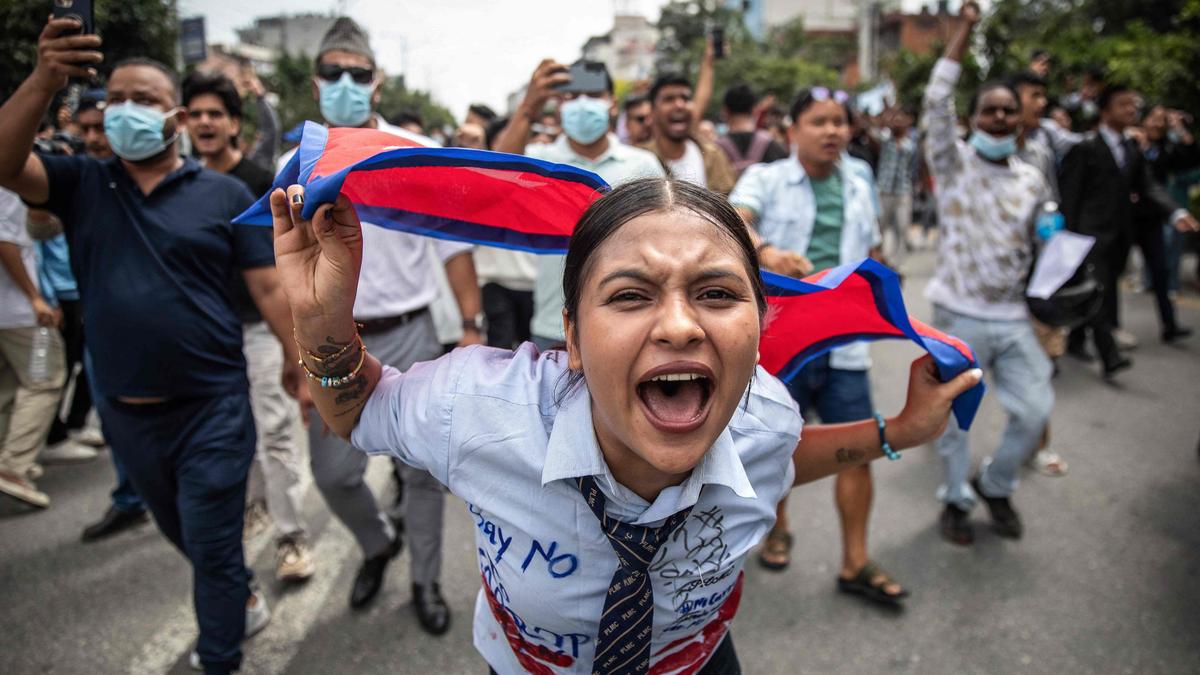
A new political landscape is emerging in Nepal, shaped by the Gen Z protests of September 2025. Initially dismissed as a fleeting moment of unrest against social media bans and government corruption, these protests have had a lasting impact. The Rastriya Swatantra Party (RSP), formed in June 2022, has capitalized on the Gen Z wave, participating in coalition governments and securing cabinet positions. The recent General Elections of March 5, 2026, indicate a significant shift, with traditional parties losing ground and the RSP gaining traction, particularly in the Madhes region.
Key Points:
- September 8, 2025: Protests erupt in Kathmandu against social media bans and government corruption, resulting in at least 17 deaths after police open fire.
- The protests involved discrediting the existing party system, physical assaults on senior party leaders, and destruction of government buildings.
- The Rastriya Swatantra Party (RSP) emerged as a political force and partnered in the Prachanda-led coalition government.
- The March 5, 2026, General Elections revealed a decline in support for traditional political parties.
- Rapper-turned-politician Balendra Shah secured a landslide victory in Jhapa–5 constituency.
- The RSP leveraged social media and simple, jargon-free communication to connect with Gen Z voters.
Critical Analysis:
The rise of the RSP and Balendra Shah reflects a broader trend of disillusionment with traditional political structures and a desire for fresh leadership. The failure of established parties to address the concerns of Gen Z, particularly regarding individual freedoms, economic opportunities, and digital connectivity, created a vacuum that the RSP effectively filled. The use of social media, rap music, and straightforward messaging allowed the RSP to bypass traditional hierarchies and connect directly with a younger, digitally-savvy electorate.
Key Takeaways:
- Gen Z’s discontent with traditional politics can translate into significant electoral shifts.
- Social media and unconventional communication methods are powerful tools for political mobilization.
- Established political parties must adapt to the changing needs and expectations of younger generations.
- Nepali politics is experiencing a shift in how political mobilization, leadership, organizing methods and modes of political communication are conducted.
- The rise of the RSP and Balendra Shah indicates a potential realignment of political power in Nepal.
Impact Analysis:
The emergence of the RSP and the success of Balendra Shah could have long-term implications for Nepali politics. It signals a move away from traditional, ideologically-driven parties towards a more issue-based and personality-driven political landscape. This shift could lead to greater political instability and fragmentation, as new parties and leaders emerge to capitalize on specific grievances and demographics. However, it could also lead to greater responsiveness from political leaders, as they are forced to compete for the attention and support of a more engaged and digitally-connected electorate. The appointment of Nisha Mehta as Health Minister of Nepal on March 29, 2026, potentially reflects the new government’s focus on modernizing key sectors. The success or failure of the RSP in government will likely shape the future trajectory of Nepali politics for years to come.
 First Piper