
Mon Mar 30 16:17:40 UTC 2026: # Bengaluru Faces Growing Urban Heat Island Effect
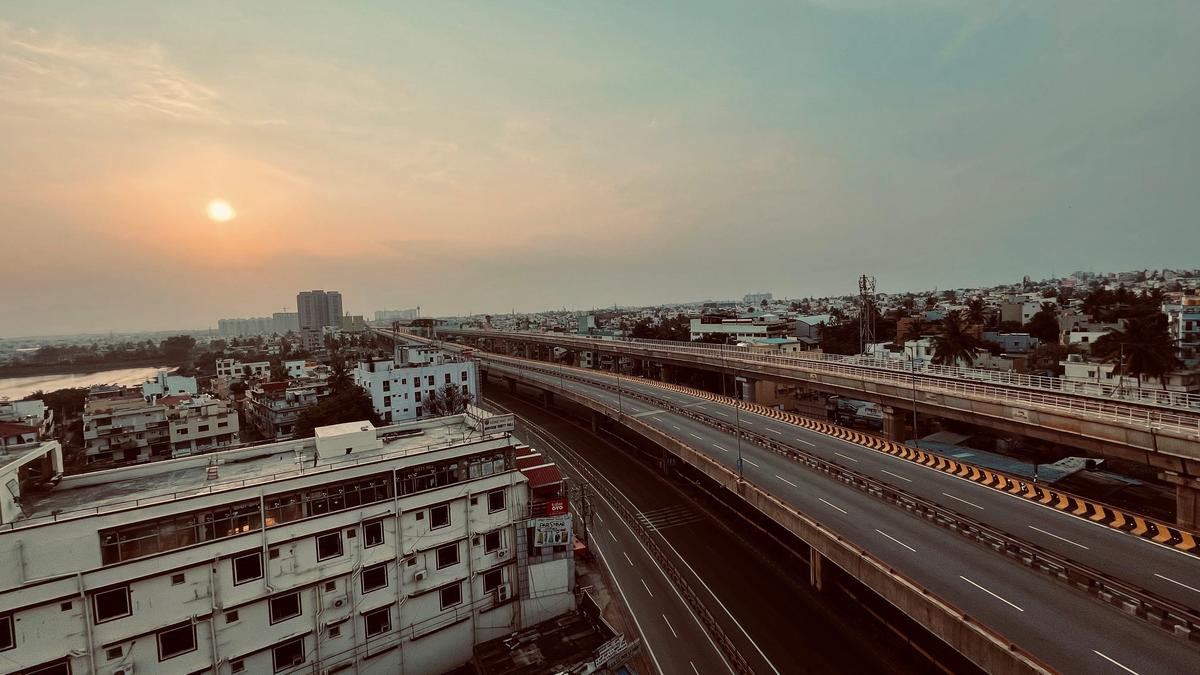
The Story: A new baseline study reveals that certain pockets within Bengaluru are experiencing a significant “urban heat island” effect. Areas like Peenya, Nagawara-Hennur, and HBR Layout are registering temperatures up to 4 degrees Celsius higher than other parts of the city. This phenomenon is attributed to dense construction, asphalt roads, and a lack of greenery, which trap heat during the day and release it at night.
Key Points:
- Bengaluru is not classified as a heatwave-prone city overall.
- Areas like Peenya, Nagawara-Hennur, and HBR Layout are emerging as urban heat islands.
- These urban heat islands can be up to 4 degrees Celsius hotter than other parts of Bengaluru.
- The cause is attributed to dense construction, asphalt roads, and reduced greenery.
- The study was published on March 30, 2026.
Key Takeaways:
- Urban planning and development strategies in Bengaluru need to prioritize green spaces and sustainable building materials to mitigate the urban heat island effect.
- The study highlights the importance of localized data collection to understand and address microclimatic variations within cities.
- Public awareness campaigns are needed to educate residents about the causes and consequences of urban heat islands, and encourage them to adopt heat-reducing practices.
Impact Analysis:
The emergence of urban heat islands in Bengaluru has significant long-term implications:
- Public Health: Increased temperatures can exacerbate heat-related illnesses, particularly among vulnerable populations like the elderly and those with pre-existing health conditions.
- Energy Consumption: Higher temperatures can lead to increased demand for air conditioning, placing a strain on the power grid and increasing energy costs.
- Environmental Degradation: Urban heat islands can contribute to air pollution and water scarcity, further degrading the environment.
- Economic Costs: The combined effects of increased healthcare costs, energy consumption, and environmental damage can have significant economic consequences for the city. Addressing this issue proactively is crucial for Bengaluru’s sustainable development.
 First Piper