
Sun Mar 29 20:29:48 UTC 2026: # Pakistan Pledges Support to Saudi Arabia Amidst West Asia Conflict, Hosts Quartet Summit
The Story:
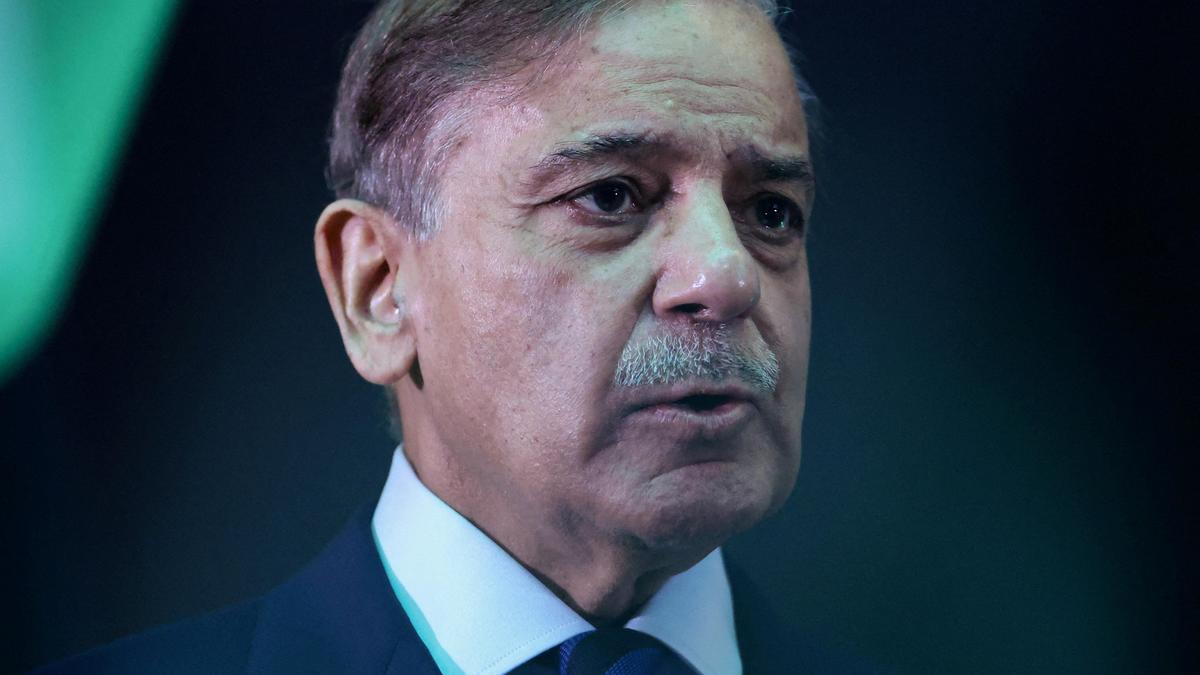
On March 29, 2026, Pakistan’s Prime Minister Shehbaz Sharif affirmed Pakistan’s unwavering support for Saudi Arabia amidst the ongoing conflict in West Asia. He lauded the Kingdom’s “remarkable restraint” during the crisis in a meeting with Saudi Foreign Minister Prince Faisal bin Farhan. Simultaneously, Pakistan hosted a quadrilateral summit with the Foreign Ministers of Saudi Arabia, Egypt, and Turkiye to address the escalating regional tensions and explore avenues for peace negotiations.
Key Points:
- Prime Minister Sharif reaffirmed Pakistan’s solidarity with Saudi Arabia.
- He appreciated Saudi Arabia’s “remarkable restraint” during the conflict.
- Pakistan hosted a quadrilateral summit with Saudi Arabia, Egypt, and Turkiye to discuss the West Asia crisis.
- The summit aimed to explore options for broader peace in the region.
- Talks occurred amidst delays in direct talks between the U.S. and Iran.
- Sharif emphasized the need for unity within Islamic countries.
Critical Analysis:
The events unfolding point towards a concerted effort by regional powers – Pakistan, Saudi Arabia, Egypt, and Turkiye – to de-escalate tensions and potentially mediate in the conflict between the U.S./Israel and Iran. Pakistan’s dual approach of supporting Saudi Arabia while simultaneously hosting peace talks indicates a delicate balancing act. The delay in direct U.S.-Iran talks may have created an opportunity for these regional actors to step in and attempt to broker a resolution, filling a diplomatic void.
Key Takeaways:
- Pakistan is positioning itself as a key player in mediating the West Asia conflict.
- The quadrilateral summit suggests a regional initiative to find a peaceful resolution, independent of direct U.S.-Iran negotiations.
- The support pledged to Saudi Arabia reflects Pakistan’s strategic alignment and historical ties with the Kingdom.
- The emphasis on Islamic unity highlights the importance of religious and cultural factors in the conflict’s dynamics.
- The absence of a statement after the meeting suggests either limited progress or a desire to keep negotiations discreet at this stage.
Impact Analysis:
The success or failure of this regional initiative could have long-term implications for the balance of power in West Asia. If Pakistan and its partners can facilitate a de-escalation, it could enhance their regional influence and potentially lead to a more stable security environment. Conversely, if the initiative fails, it could exacerbate existing tensions and further destabilize the region, potentially drawing other actors into the conflict. The role of the U.S. and its approach to these regional efforts will also be crucial in determining the ultimate outcome.
 First Piper