
Mon Mar 30 11:29:37 UTC 2026: # Parliament Heatedly Debates Maoism Eradication Efforts, Opposition Cites UPA Initiatives
The Story:
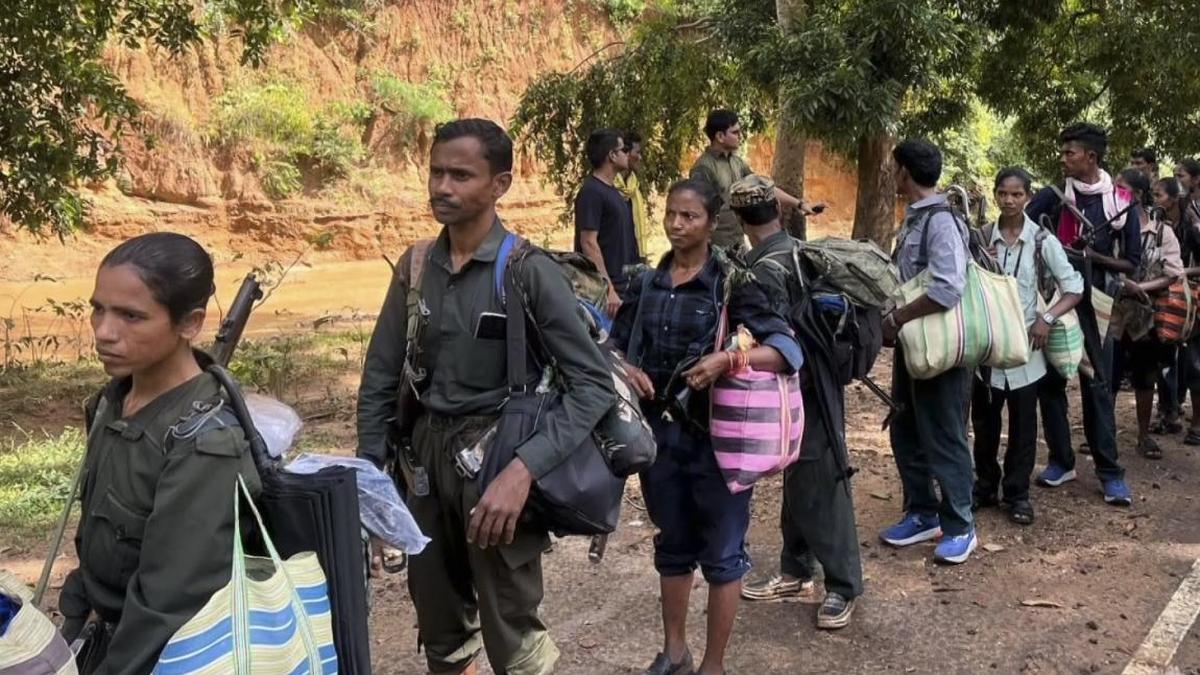
On March 30, 2026, India’s Lok Sabha witnessed a sharp exchange between ruling BJP and NDA members and the opposition Congress party concerning the country’s efforts to combat left-wing extremism (LWE), or Maoism. The BJP-led coalition launched a strong critique of the previous UPA government, accusing it of policy paralysis and a lack of political will in addressing the Maoist threat. They claimed significant success in reducing the “red corridor” and replacing it with a “growth corridor” under their governance. The Congress defended its track record, highlighting initiatives like Operation Green Hunt and the creation of CoBRA, while emphasizing that a purely security-focused approach is insufficient.
Key Points:
- Shrikant Shinde (Shiv Sena) claimed 317 Maoists were killed, 862 arrested, and 1,900 surrendered in the past year under BJP rule.
- He also stated that in 2024 and 2025, at least 28 Naxal leaders were killed, including six central committee members.
- Byreddy Shabari (TDP) stated that the highest number of Naxal attacks occurred during Congress rule, crediting Prime Minister Narendra Modi and Home Minister Amit Shah for progress in curbing Naxalism.
- Saptagiri Ulaka (Congress) countered that the UPA government launched Operation Green Hunt and created CoBRA.
- Sambit Patra (BJP) alleged the UPA government suffered from “confusion and collaboration” and that the Sonia Gandhi-led National Advisory Council (NAC) had “urban Naxals” as members.
- Mahua Moitra (Trinamool Congress) questioned the timing of the discussion, citing more pressing issues such as fuel shortages and high airfares.
- Union Home Minister Amit Shah had announced that the Maoist menace would be completely eliminated by March 31, 2026.
- The number of LWE-hit districts has been reduced to seven from eight in the December 2025 review.
Key Takeaways:
- The debate highlights the politicization of national security issues, with both ruling and opposition parties using the Maoist issue to score political points.
- The BJP-led government is emphasizing a security-focused approach, while the Congress stresses the importance of welfare initiatives alongside security measures.
- The Trinamool Congress’s intervention underscores the regional variations in priorities and concerns, as well as the potential for political opportunism.
- The government is claiming significant progress in reducing Maoist influence, as evidenced by surrender and casualty statistics.
- The stated goal of eliminating Maoism by March 31, 2026, sets a clear benchmark for evaluating the government’s success.
 First Piper