
Mon Mar 30 10:30:10 UTC 2026: ### Lok Sabha Passes Amended Insolvency and Bankruptcy Code to Expedite Resolutions
The Story:
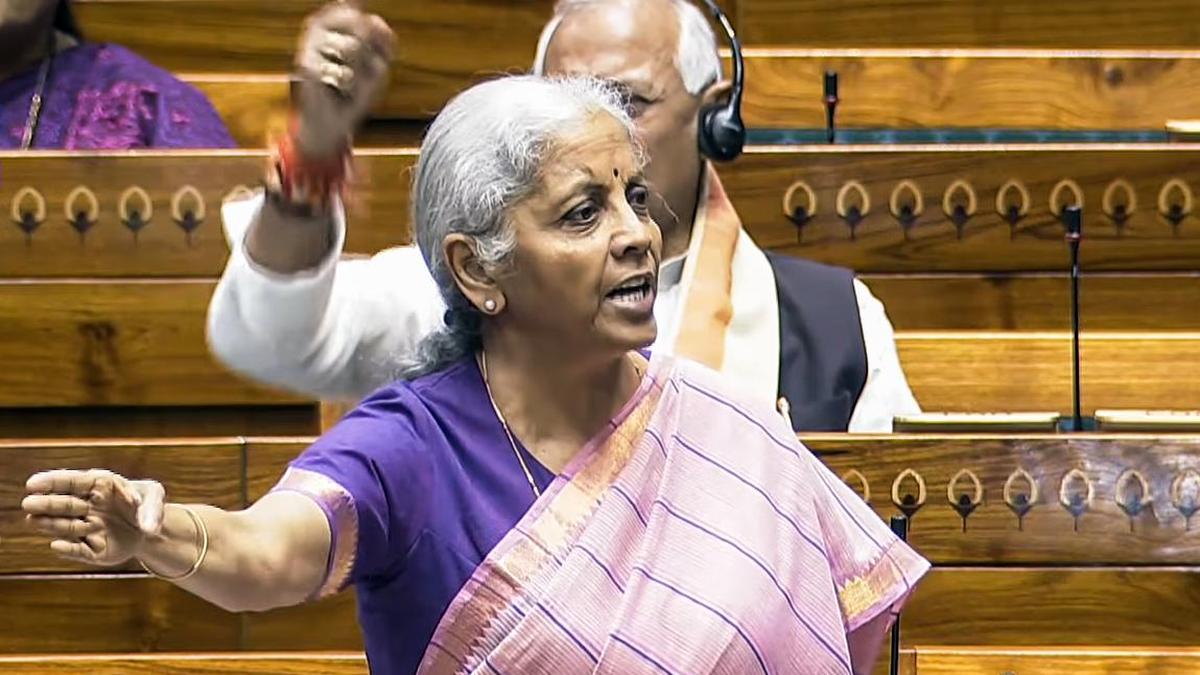
On March 30, 2026, the Lok Sabha passed the Insolvency and Bankruptcy Code (Amendment) Bill, 2025, marking the seventh amendment to the IBC since its inception in 2016. The bill aims to streamline insolvency resolution processes by introducing stricter timelines, an out-of-court settlement option, and a framework for cross-border insolvency proceedings. Finance Minister Nirmala Sitharaman emphasized that the amendments are designed to maximize stakeholder value, improve governance, and align domestic practices with global best practices.
The amendments address practical challenges faced in the implementation of the IBC, including delays caused by extensive litigation and frivolous complaints. The bill was initially introduced in the Lok Sabha on August 12, 2025, and subsequently referred to a select committee, which submitted its report in December 2025. All recommendations from the committee have been accepted.
Key Points:
- 12 amendments are being made to the Insolvency and Bankruptcy Code (IBC).
- The bill replaces the fast-track process with a creditor-initiated insolvency framework, featuring out-of-court initiation and debtor-in-possession models.
- Stricter timelines are introduced, including a 14-day deadline for admitting insolvency resolution applications and a 3-month deadline for deciding appeals before the NCLAT.
- Penalties ranging from ₹1 lakh to ₹2 crore will be imposed on those initiating frivolous proceedings.
- The Adjudicating Authority (AA) must approve or reject a resolution plan within 30 days.
- Scheduled Commercial Banks (SCBs) have recovered ₹1,04,099 crore through various channels, with ₹54,528 crore recovered through the IBC channel alone.
- Workmen’s dues are given higher priority, equivalent to secured creditors.
Critical Analysis:
The passage of the amended IBC bill is occurring within a broader context of parliamentary activity, including discussions on Maoism and budgetary proceedings. This suggests that economic reforms are being pursued concurrently with other political and social issues.
Key Takeaways:
- The amendments to the IBC aim to expedite the resolution of stressed companies and reduce delays caused by litigation.
- The creditor-initiated insolvency framework provides an alternative to traditional court processes, potentially leading to faster resolutions.
- The increased penalties for frivolous complaints are intended to deter abuse and ensure the integrity of the insolvency process.
- The focus on workmen’s dues highlights the government’s commitment to protecting the interests of employees during insolvency proceedings.
- The IBC continues to play a crucial role in improving the health of the banking sector by facilitating the recovery of stressed assets.
Impact Analysis:
The amended IBC is likely to have a significant impact on the Indian economy by:
- Improving Investor Confidence: The framework for cross-border insolvency and group insolvency will align domestic practices with international standards, promoting investor confidence and attracting foreign investment.
- Accelerating Debt Resolution: Stricter timelines will lead to faster resolution of stressed assets, freeing up capital for productive use and boosting economic growth.
- Strengthening the Banking Sector: Continued recovery of stressed assets through the IBC will improve the financial health of banks, enabling them to lend more and support economic activity.
- Protecting Stakeholder Interests: Prioritizing workmen’s dues will ensure that employees are fairly compensated during insolvency proceedings, promoting social justice and stability.
 First Piper