
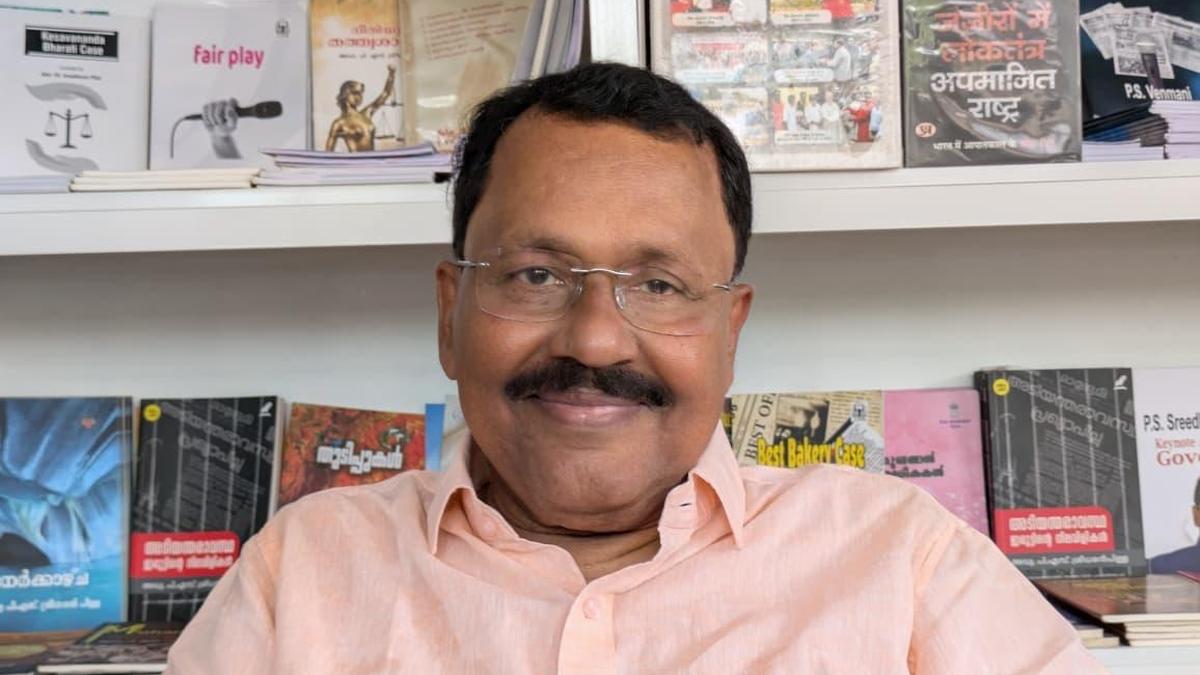
Mon Mar 30 04:25:36 UTC 2026: # Kerala Governor Emeritus Pillai Discusses Political Future and Shifting Alliances Ahead of Assembly Elections
The Story:
In an interview published on March 30, 2026, former Mizoram and Goa Governor P.S. Sreedharan Pillai discusses his decision to abstain from contesting in the upcoming Kerala Assembly elections despite pressure from his party. He also addresses allegations of covert understandings between political rivals and assesses the BJP-led NDA’s prospects in the state. Pillai highlights a shift in strategy by both the LDF and UDF, who are now primarily focusing their attacks on the BJP, reflecting their concern over its growing influence.
Key Points:
- P.S. Sreedharan Pillai declined to contest in the Chengannur Assembly constituency despite having secured 42,600 votes in 2016.
- He believes it’s not a good precedent for Governors to immediately take up positions after leaving office.
- Pillai refutes claims that he sought a post during his time as Mizoram Governor ahead of the 2021 Assembly elections.
- He addresses allegations of covert CPI(M)–BJP understandings, highlighting historical instances of electoral cooperation between the UDF and RSS/BJP-linked figures.
- Pillai asserts that the BJP-led NDA is well-positioned for a strong performance in the upcoming April 9 polls and sees increasing support for Narendra Modi in Kerala.
Critical Analysis:
The interview reveals a complex political landscape in Kerala, characterized by shifting alliances and strategic realignments. Allegations of covert understandings between traditional rivals (CPI(M) and Congress) underscore the growing influence of the BJP and the perceived threat it poses to established political forces. Pillai’s historical references to past electoral cooperation between UDF/IUML and RSS/BJP linked figures serve to contextualize the current accusations as a continuation of opportunistic political maneuvering. The fact that both LDF and UDF are focusing their attacks on the BJP suggest a shared concern about the party’s growing influence and a strategic decision to consolidate their base against a common adversary.
Key Takeaways:
- Governors taking up immediate political positions after demitting office is viewed with caution.
- Allegations of covert political understandings are a recurring theme in Kerala politics.
- The BJP’s growing influence is causing a strategic realignment among traditional rivals.
- Historical instances of electoral cooperation highlight the fluid nature of political alliances in Kerala.
- The BJP-led NDA is perceived as a significant force in the upcoming elections.
Impact Analysis:
The interview suggests that the traditional bi-polar political landscape in Kerala is being challenged by the rise of the BJP. The strategic realignment of the LDF and UDF, focusing their attacks on the BJP, indicates a potential consolidation of anti-BJP forces. This could lead to a more fragmented political landscape where no single coalition commands a clear majority, potentially necessitating post-election alliances and further shifting the balance of power in the state. The upcoming April 9 elections will be crucial in determining the extent of the BJP’s influence and the long-term impact on Kerala’s political landscape. The “Green Button campaign” mentioned in the related context suggests an effort to promote environmentally conscious voting, which might influence voter choices and party strategies.
 First Piper