
Mon Mar 30 17:47:55 UTC 2026: ### Headline: Iran Considers NPT Exit Amidst Ongoing Conflict and Nuclear Facility Attacks
The Story:
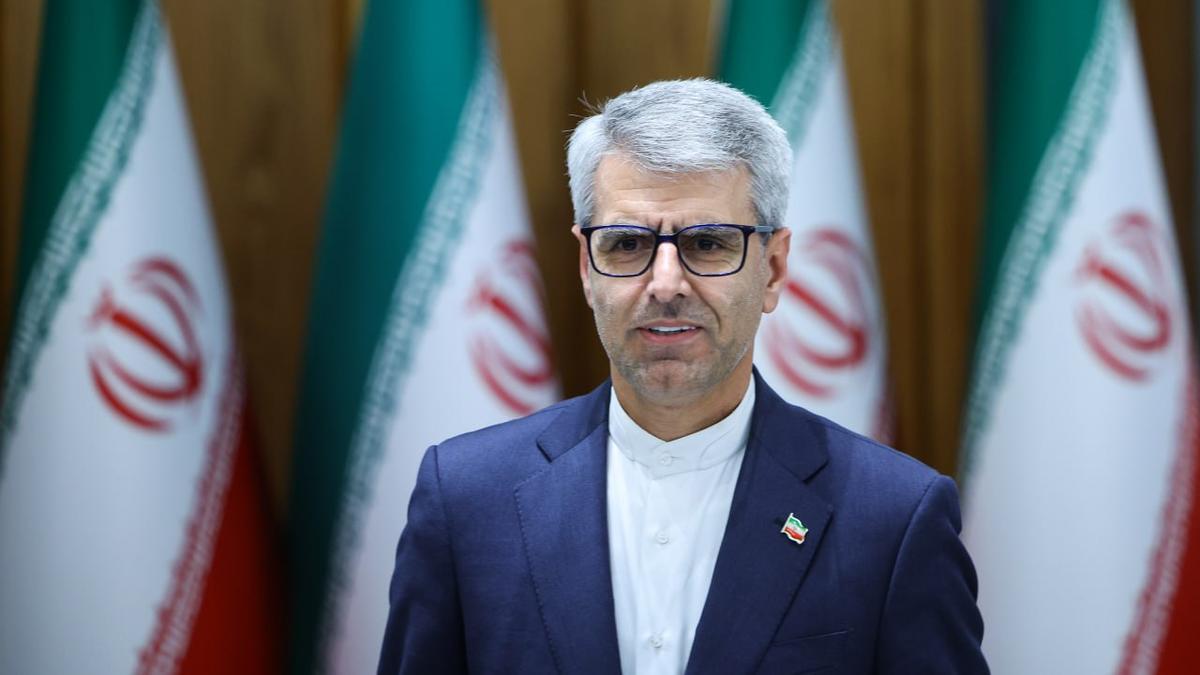
Iran’s Foreign Ministry spokesperson Esmail Baghaei announced on Monday, March 30, 2026, that the Iranian Parliament is reviewing a potential withdrawal from the Nuclear Non-Proliferation Treaty (NPT). This consideration arises amidst escalating tensions and repeated attacks on Iran’s nuclear facilities, most recently by the U.S. and Israel in June 2025 and again during the ongoing West Asia war. While maintaining that Iran does not seek nuclear weapons and is committed to the peaceful use of nuclear energy, Baghaei questioned the benefits of remaining in a treaty where other parties allegedly undermine Iran’s rights and target its nuclear infrastructure.
The announcement underscores the increasing pressure on Iran’s nuclear program and its relationship with international agreements. Baghaei stated that Iran would respect the treaty as long as it remains a member, but also indicated the debate on NPT membership is actively taking place within Iranian public opinion and at the parliamentary level.
Key Points:
- March 30, 2026: Iran’s Parliament is reviewing a possible exit from the Nuclear Non-Proliferation Treaty (NPT).
- Iran insists it does not seek nuclear weapons and its nuclear program is for peaceful purposes.
- The review is prompted by attacks on Iran’s nuclear facilities by the U.S. and Israel.
- Iran questions the benefits of remaining in the NPT when its rights are allegedly undermined.
- The debate on NPT membership is occurring within Iranian public opinion and at the parliamentary level.
Critical Analysis:
The announcement must be viewed in the context of the provided related events, specifically the UN Diplomat Quitting, Warning Of “Possible Nuclear Weapon Use” In Iran on March 30, 2026. The diplomat’s warning amplifies the gravity of Iran’s potential NPT withdrawal. Also the attack by U.S. and Israel on June 2025 and again during the ongoing West Asia war could be viewed as a violation of international sovereignty, pushing Iran to reconsider its commitments to international treaties. The fact that this announcement comes on the same day as the UN Diplomat’s warning suggests a coordinated effort to signal Iran’s growing frustration and the potential for escalation.
Key Takeaways:
- Iran’s potential withdrawal from the NPT significantly escalates tensions in the region.
- The attacks on Iran’s nuclear facilities are driving its reconsideration of international agreements.
- The timing of the announcement, coinciding with the UN Diplomat’s warning, highlights the urgency and severity of the situation.
- The claim that Iran doesn’t seek nuclear weapons is now less credible, due to the diplomat’s warning, and the potential exit from the NPT.
Impact Analysis:
Iran’s departure from the NPT could have far-reaching consequences. It would remove a critical safeguard against nuclear proliferation in the Middle East, potentially triggering a regional arms race. It further destabilizes the region and increase the likelihood of military confrontation. This event could also embolden other nations to reconsider their non-proliferation commitments, undermining the entire international nuclear security architecture. The long-term impact could involve increased sanctions, further isolation of Iran, and a heightened risk of nuclear conflict.
 First Piper