
Mon Mar 30 09:47:20 UTC 2026: ### Iran Confirms Death of Naval Commander, Escalating Tensions in Strait of Hormuz
The Story:
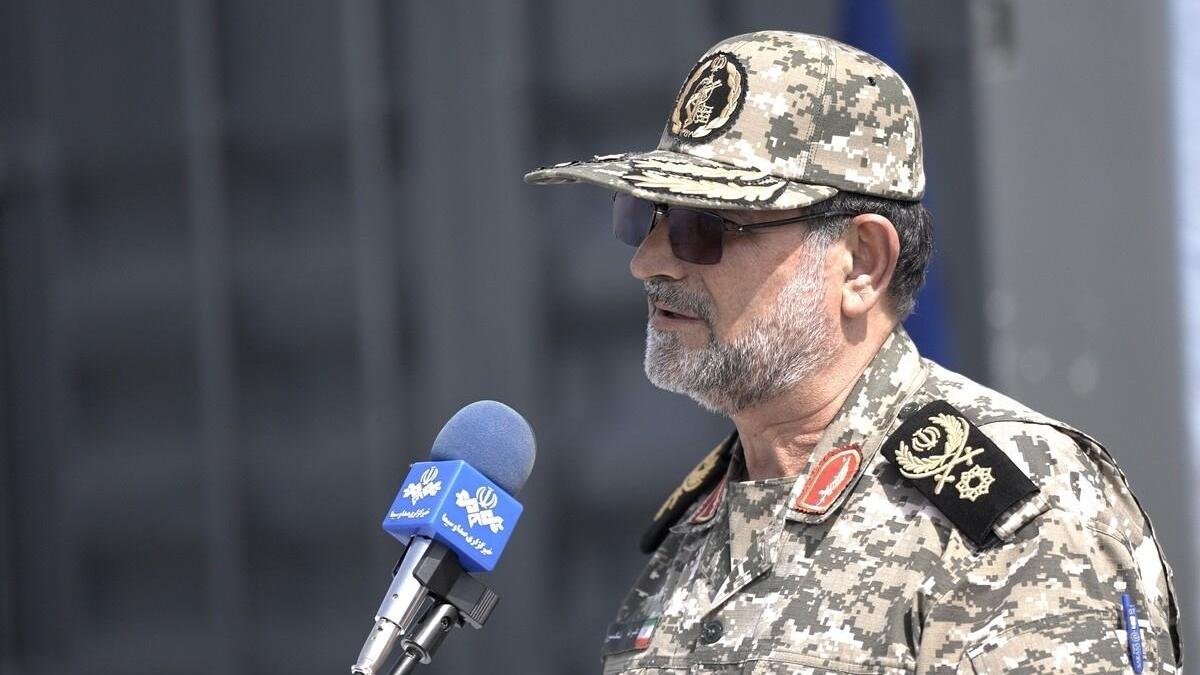
Iran confirmed on March 30, 2026, that Alireza Tangsiri, the commander of the naval force of the Revolutionary Guards, died from injuries sustained in an Israeli airstrike. Israel claimed Tangsiri was responsible for mining and blocking the Strait of Hormuz, a critical waterway for global energy supplies. Tangsiri’s death is the latest in a series of high-profile casualties within the Iranian leadership since the start of the war with Israel in late February 2026, including the death of Supreme Leader Ali Khamenei. This escalation has further heightened tensions in the region.
Key Points:
- Alireza Tangsiri, commander of the Iranian Revolutionary Guard’s naval force, died from injuries sustained in an Israeli airstrike.
- Israel claims Tangsiri was responsible for blocking the Strait of Hormuz, causing global energy prices to rise.
- Tangsiri is the latest top Iranian official to be killed, following Supreme Leader Ali Khamenei and security chief Ali Larijani.
- The Revolutionary Guards vowed to retaliate for Tangsiri’s death.
- Tangsiri was sanctioned by the United States in 2019 for counter-terrorism related activities.
Critical Analysis:
The death of Alireza Tangsiri represents a significant escalation in the ongoing conflict between Iran and Israel. The timing of the strike, coupled with previous warnings from President Trump regarding the Strait of Hormuz, suggests a coordinated effort to pressure Iran. The elimination of key Iranian leaders, including Khamenei and Larijani, indicates a strategy aimed at destabilizing the Iranian regime and weakening its ability to project power in the region.
Key Takeaways:
- The death of Tangsiri further inflames tensions between Iran and Israel.
- The Strait of Hormuz remains a critical flashpoint with global economic implications.
- The ongoing conflict is likely to further destabilize the Middle East.
- The loss of multiple high-ranking Iranian officials suggests a coordinated strategy to weaken the Iranian regime.
- Trump’s threats of striking civilian infrastructure if a deal is not reached, underscores the volatile nature of the conflict.
Impact Analysis:
The assassination of Tangsiri and the continued blockade of the Strait of Hormuz will likely have significant long-term implications.
- Economic Impact: Global energy prices will likely remain elevated due to the disruption of oil supplies. The war has already disrupted Asia’s used-car exports to the Middle East, highlighting the broader economic consequences.
- Political Instability: The death of key Iranian leaders could lead to a power vacuum and internal instability within Iran. This could further embolden hardliners or create opportunities for external actors to intervene.
- Regional Security: The conflict between Iran and Israel risks escalating into a broader regional war, drawing in other countries and non-state actors. The continued U.S. involvement, signaled by Trump’s warnings and potential strikes, will further shape the regional security landscape.
 First Piper