
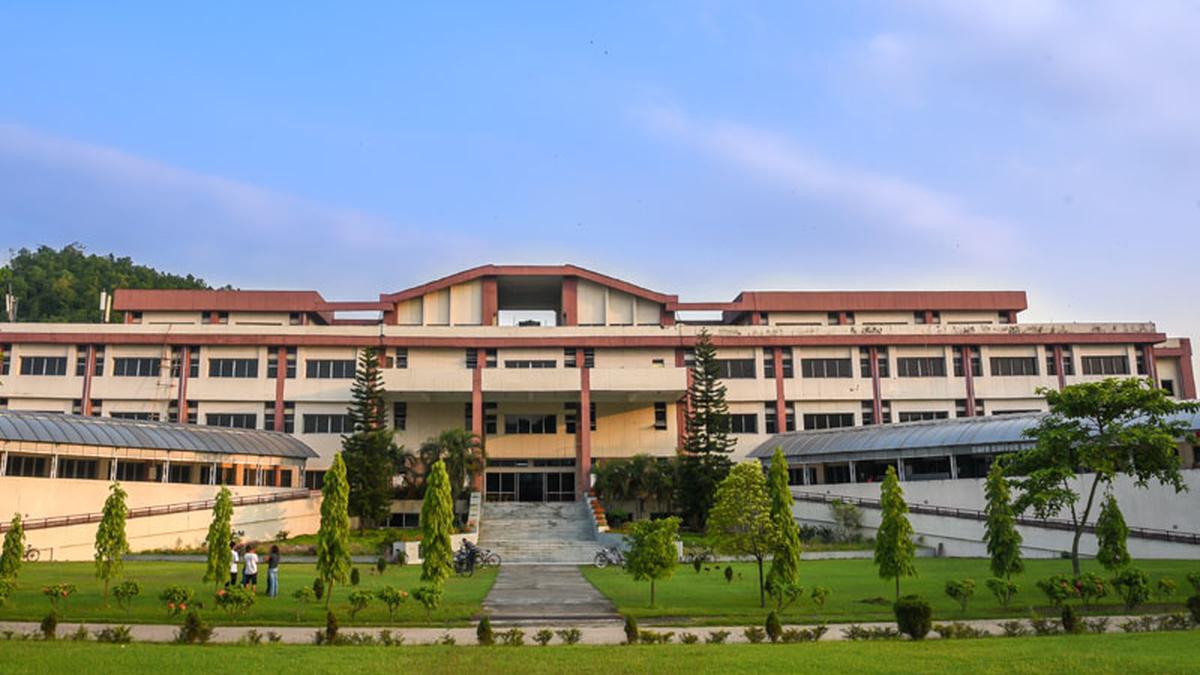
Mon Mar 30 06:45:30 UTC 2026: Headline: IIT Guwahati Develops Energy-Efficient Bricks for Sustainable Cooling
The Story:
A team of researchers at the Indian Institute of Technology Guwahati (IIT-G) has engineered energy-efficient bricks designed to naturally cool buildings. This innovative approach aims to reduce reliance on air conditioning systems, which consume significant electricity and contribute to carbon emissions. The research, published in the Journal of Energy Storage, highlights the use of Phase Change Materials (PCMs) embedded within the bricks to absorb and release heat, stabilizing indoor temperatures.
Key Points:
- IIT-G researchers, including Bitupan Das, Urbashi Bordoloi, Pushpendra Singh, and Pankaj Kalita, developed the energy-efficient bricks.
- The bricks utilize Phase Change Materials (PCMs) like OM35, which melts at around 35 degrees Celsius, to absorb and release heat.
- Biochar is integrated to prevent PCM leakage and enhance thermal conductivity.
- The team acknowledges barriers to market adoption, including high initial cost, manufacturing challenges, lack of standardization, and low awareness.
- The study was published in the Journal of Energy Storage.
- Published – March 28, 2026.
- Updated – March 30, 2026 12:15 pm IST.
Key Takeaways:
- The development of energy-efficient bricks represents a significant step towards sustainable construction practices in hot and humid climates like India.
- The use of PCMs offers a promising alternative to energy-intensive air conditioning systems.
- Overcoming barriers to market adoption is crucial for the widespread implementation of this technology.
- Collaboration between researchers, industry stakeholders, and policymakers is necessary to transition innovative technologies from the lab to the consumer market.
Impact Analysis:
The successful implementation of these energy-efficient bricks could have a substantial long-term impact on reducing energy consumption, lowering carbon emissions, and promoting sustainable building practices. Widespread adoption could lead to:
- Reduced energy demand: Decreasing the need for air conditioning systems, especially during peak hours.
- Lower carbon footprint: Contributing to national and global efforts to combat climate change.
- Improved indoor comfort: Maintaining stable indoor temperatures for better living and working environments.
- Economic opportunities: Creating new markets for sustainable building materials and technologies.
- Policy implications: Encouraging governments to incentivize the adoption of eco-friendly construction practices.
 First Piper