
Mon Mar 30 10:30:00 UTC 2026: ### Easter’s Lunar Connection: A Tradition Rooted in the Council of Nicaea
The Story:
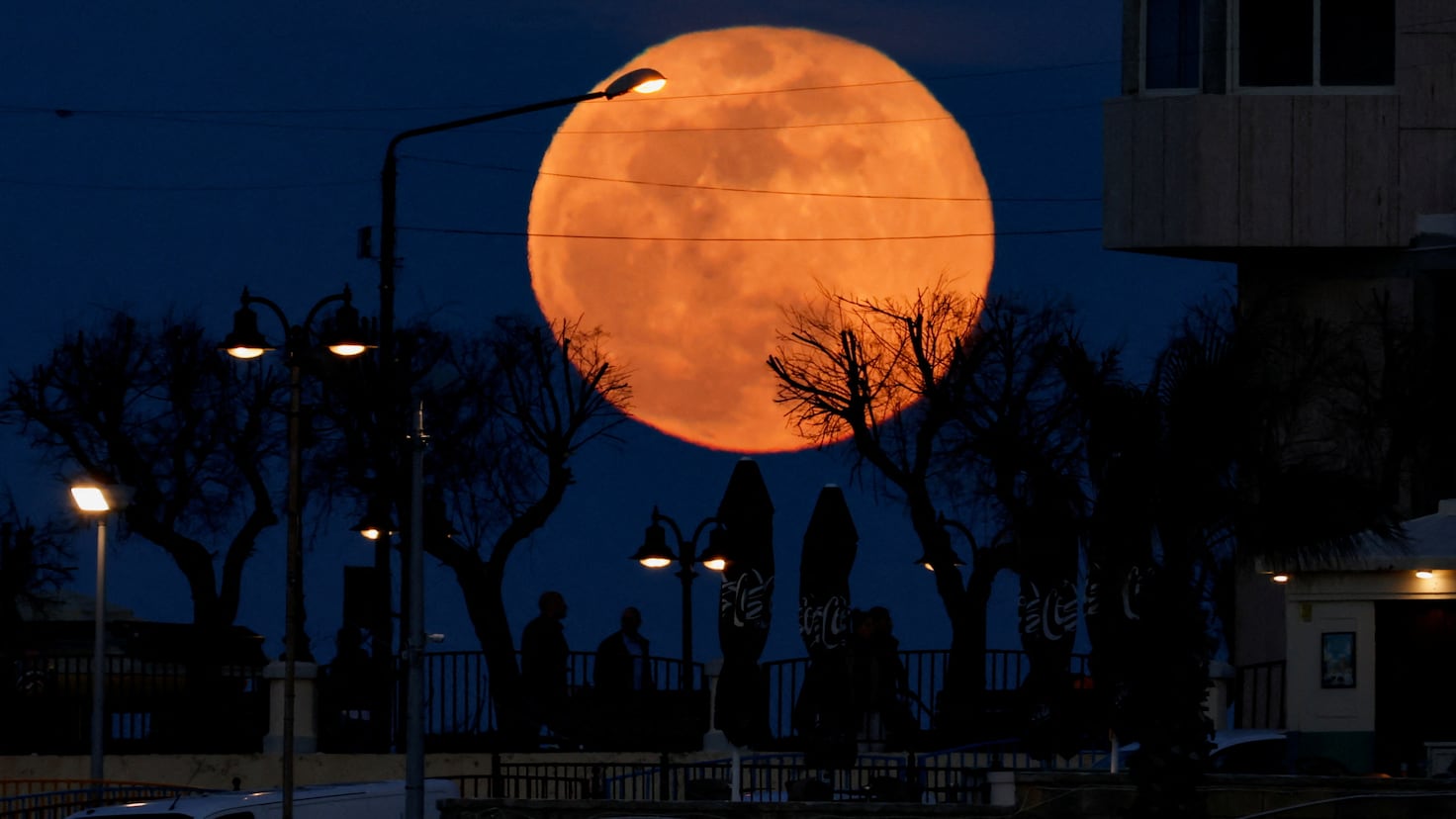
The annual celebration of Semana Santa, or Holy Week, consistently aligns with the full moon, a phenomenon that traces back to the Council of Nicaea in 325 AD. This council established the method for determining the date of Easter, which commemorates the resurrection of Jesus Christ. The date is calculated as the first Sunday after the first full moon following the spring equinox in the Northern Hemisphere, leading to a variable date between March 22 and April 25 each year. This system is linked to the Jewish Passover, which is observed on the 15th day of Nisan, beginning with the first new moon of spring.
Key Points:
* Semana Santa’s timing is not accidental; it’s tied to the lunar cycle.
* The Council of Nicaea in 325 AD formalized the method for calculating Easter.
* Easter Sunday is the first Sunday after the first full moon following the spring equinox.
* The date of Easter can fall between March 22 and April 25.
* The calculation is rooted in the timing of the Jewish Passover.
* The Church uses the “ecclesiastical moon,” which can differ from the astronomical full moon, leading to occasional discrepancies.
Key Takeaways:
* The date of Easter is not a fixed calendar date but a calculation based on astronomical events and religious tradition.
* The Council of Nicaea played a pivotal role in standardizing Christian practices, including the Easter date.
* The connection to the Jewish Passover highlights the historical and religious context of Easter.
* The “ecclesiastical moon” introduces a layer of complexity and potential deviation from astronomical observations.
* The variability of Easter’s date reflects the interplay between lunar cycles, solar events, and religious decrees.
 First Piper