
Mon Mar 30 07:19:44 UTC 2026: Headline: China Sanctions Japanese Lawmaker Amid Rising Tensions Over Taiwan
The Story:
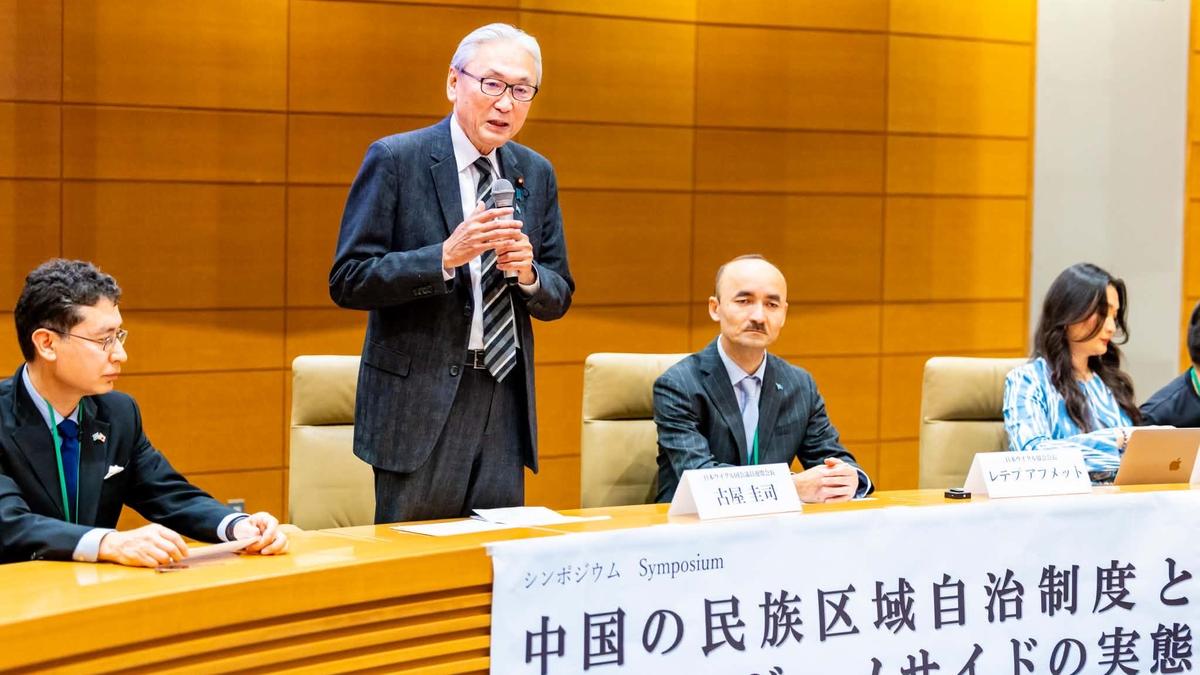
On March 30, 2026, China imposed sanctions on Japanese lawmaker Keiji Furuya, a close aide to Japanese Prime Minister Sanae Takaichi, citing his alleged “collusion with Taiwan independence” forces. The sanctions, announced by China’s Foreign Ministry, include barring Mr. Furuya’s entry into China and freezing any assets he may hold there. The move escalates diplomatic tensions between Beijing and Tokyo over Taiwan, which China views as a breakaway province.
Mr. Furuya, who heads a cross-party Japan-Taiwan lawmakers group, has made numerous visits to Taiwan, including a recent meeting with President Lai Ching-te. China views these visits as undermining its “One China” principle and its claim of sovereignty over Taiwan.
Key Points:
- China sanctioned Japanese lawmaker Keiji Furuya on March 30, 2026, for alleged “collusion with Taiwan independence” forces.
- The sanctions include barring entry into China and freezing any assets.
- Furuya heads a Japan-Taiwan lawmakers group and has visited Taiwan multiple times.
- China views these visits as undermining its “One China” principle.
- Furuya stated that visiting Taiwan is a natural function of his parliamentary group and that he has no assets in mainland China.
- Ties between Tokyo and Beijing have deteriorated since Prime Minister Takaichi suggested a Chinese attack on Taiwan could trigger a Japanese military response.
Critical Analysis:
The timing of the sanctions, coinciding with news that Xi Jinping has invited a Taiwan opposition leader to China before a potential summit with Trump, suggests a multi-pronged strategy by Beijing. By engaging with Taiwan’s opposition while simultaneously sanctioning a pro-Taiwan Japanese lawmaker, China is attempting to exert influence on multiple fronts. This could be interpreted as an effort to divide Taiwanese public opinion, deter foreign support for Taiwan’s current government, and signal resolve in its stance on the “One China” principle. Furthermore, the sanctions serve as a warning to other nations engaging with Taiwan, particularly Japan, which has signaled a willingness to intervene in a potential conflict.
Key Takeaways:
- China is escalating its pressure tactics regarding Taiwan.
- Japan-China relations are strained due to differing views on Taiwan.
- China is attempting to influence Taiwanese politics through engagement with the opposition.
- The sanctions are intended as a deterrent to foreign support for Taiwan.
- The timing of the sanctions suggests a calculated diplomatic strategy.
Impact Analysis:
The sanctions on Keiji Furuya are likely to further deteriorate Sino-Japanese relations and could solidify Japan’s commitment to supporting Taiwan. The incident may also galvanize other nations to reassess their relationships with Taiwan in light of China’s increasingly assertive actions. This could lead to increased international scrutiny of China’s policies toward Taiwan and a potential shift in the regional balance of power. The long-term impact could include increased military posturing in the Taiwan Strait and a further fracturing of international relations along ideological lines.
 First Piper