
Mon Mar 30 04:14:06 UTC 2026: # Government Reintroduces Kerosene Allocation Amidst LPG Constraints
The Story:
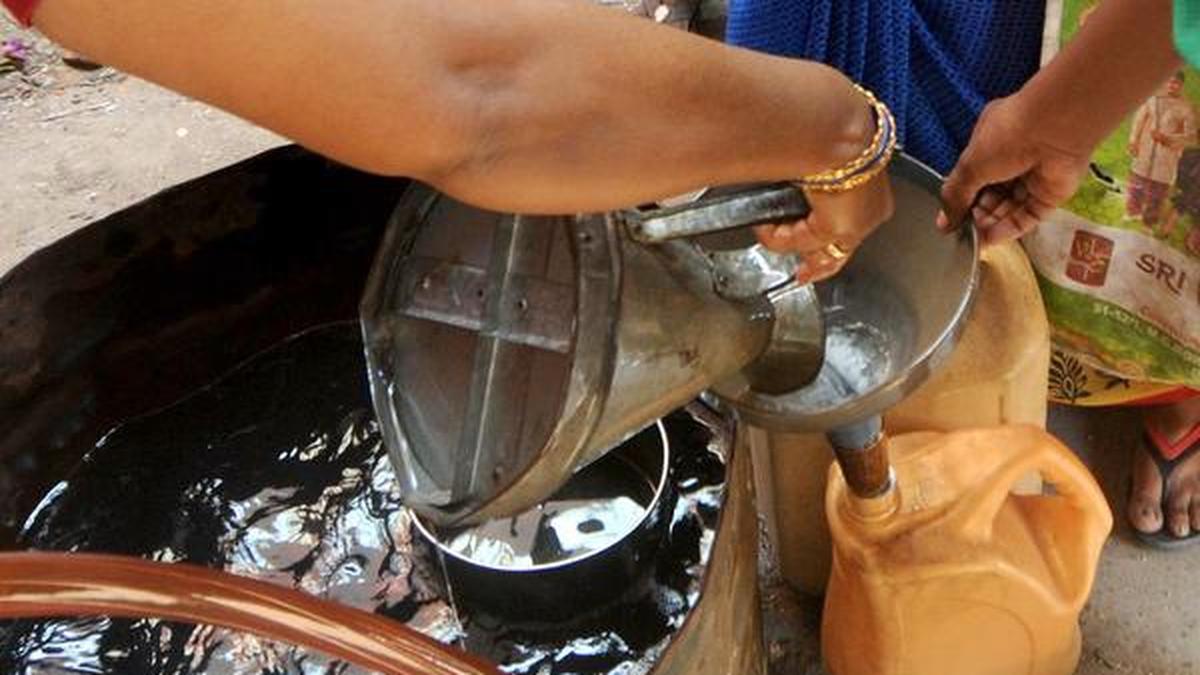
Facing potential cooking gas (LPG) shortages, the Central government has announced an ad hoc allocation of Public Distribution System (PDS) kerosene to States and Union Territories for household use. This 60-day emergency measure aims to ease pressure on LPG supplies and ensure that households have access to essential fuel for cooking and lighting. The decision marks a temporary reintroduction of PDS kerosene in 21 States and Union Territories that had previously been declared PDS SKO-free.
Key Points:
- The Central government has made an ad hoc allocation of PDS kerosene.
- The allocation is targeted at States and Union Territories for household use.
- The measure is a 60-day emergency response to ease pressure on cooking gas LPG.
- Kerosene is intended for cooking and lighting needs.
- 21 States and Union Territories that were previously PDS SKO-free will temporarily have PDS kerosene reintroduced.
Critical Analysis:
The reintroduction of kerosene, especially in areas previously declared SKO-free, suggests a possible failure in the transition to LPG as the primary cooking fuel, or unforeseen circumstances disrupting LPG supply chains. The Kerala government’s recent increase in non-domestic LPG allocation (mentioned in the historical context) hints at broader LPG-related challenges.
Key Takeaways:
- The government is taking short-term measures to address potential fuel shortages, indicating possible vulnerabilities in the LPG supply chain.
- The decision highlights the continued reliance on kerosene in certain regions, even after efforts to promote cleaner fuel alternatives.
- The temporary nature of the allocation suggests the government views this as a stop-gap solution, rather than a long-term policy shift.
- The situation warrants closer examination of the factors affecting LPG availability and affordability.
Impact Analysis:
This decision could have several significant impacts:
- Environmental Impact: Increased kerosene usage, even temporarily, will contribute to higher carbon emissions and air pollution, potentially undermining efforts to promote cleaner energy sources.
- Economic Impact: The allocation will likely involve subsidies, potentially straining the government’s budget. It also reflects underlying economic vulnerabilities among households that cannot consistently afford LPG.
- Social Impact: The measure could provide relief to vulnerable households struggling with LPG costs, ensuring access to basic cooking and lighting fuel, but also potentially creating a dependence on subsidized kerosene.
- Policy Implications: This situation may necessitate a reassessment of the effectiveness of the LPG promotion policies and the need for diversified energy solutions. The government may need to invest further in renewable energy sources and improve LPG distribution infrastructure.
 First Piper