
Mon Mar 30 00:43:25 UTC 2026: ### West Bengal Migrant Workers Return Home Amid Election Concerns and Economic Hardship
The Story:
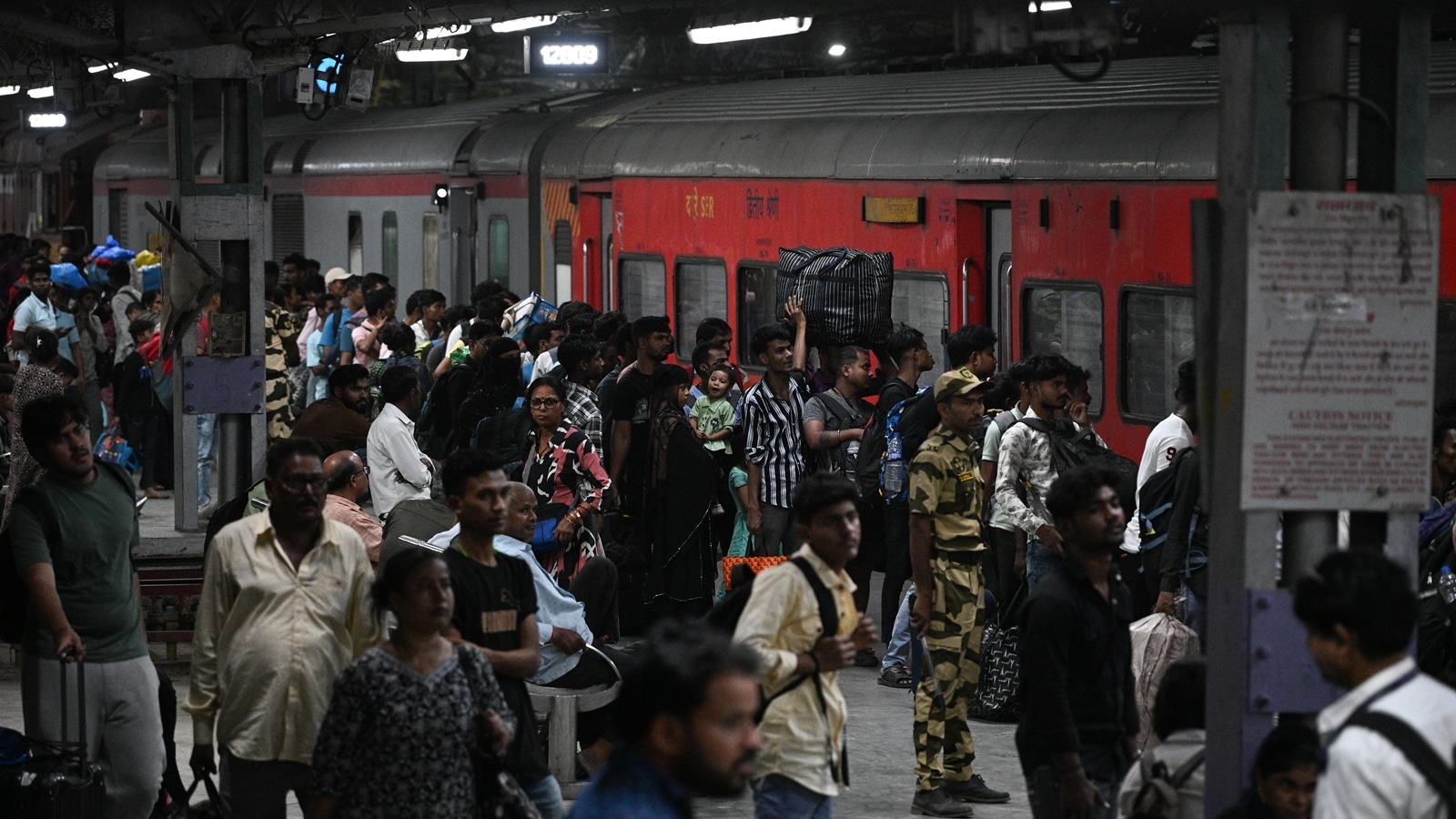
As the West Bengal Assembly elections approach, a significant number of migrant workers are returning to the state, driven by anxieties surrounding the Special Intensive Revision (SIR) process and a desire to exercise their voting rights. This mass movement is creating a labor shortage in various industries across the country, from construction in Mumbai and hospitality in Pune and Bengaluru to diamond and textile industries in Gujarat. The lack of affordable and readily available transportation, particularly train tickets, is exacerbating the situation, leading to financial strain for many migrants.
The situation is compounded by fears stemming from past incidents where migrant workers from Bengal were detained and harassed, falsely labeled as illegal immigrants. This has fueled a sense of urgency among many to ensure their names remain on the electoral rolls, fearing future repercussions if they do not vote. Simultaneously, economic downturns in some sectors, like the diamond industry in Surat, are pushing migrants back to Bengal, further straining labor markets elsewhere.
Key Points:
- Large numbers of migrant workers are returning to West Bengal ahead of the Assembly elections due to concerns over the Special Intensive Revision (SIR) of electoral rolls.
- Migrant workers fear that not voting could lead to future citizenship issues and potential harassment, stemming from past incidents of wrongful detention and deportation.
- The return migration is causing labor shortages in key industries across India, including construction, hospitality, and the diamond and textile sectors.
- Limited and expensive transportation options, especially train tickets, are posing a significant challenge for migrant workers trying to return home.
- The Trinamool Congress (TMC) alleges that the BJP-led central government would hinder any efforts to arrange special trains for migrants.
- The 2011 Census recorded 24.06 lakh migrants from Bengal across the country.
- An Economic Advisory Council to the Prime Minister (EAC-PM) report in 2024 highlighted West Bengal as a key migrant state.
Critical Analysis:
The return of migrant workers to West Bengal ahead of the elections is intertwined with rising crude oil prices and related global instability. The article mentions the West Asia conflict affecting the LPG shortage. The historical context provided reveals that the global market is unstable: “[Mon Mar 30 03:47:09 UTC 2026] Stock Market Live Updates: Sensex Slides 1,000 Points At Open As Crude Oil Surges Amid Iran War.” This market instability, coupled with rising fuel prices and the fear of losing their voter ID, has caused the migrant workers to return home.
Key Takeaways:
- Political anxieties and economic vulnerabilities are driving large-scale internal migration in India.
- The SIR process has inadvertently created a sense of insecurity among migrant workers regarding their citizenship status.
- The reliance on informal labor markets makes industries susceptible to disruptions caused by political and social events.
- The central and state governments need to address the transportation challenges faced by migrant workers during significant events like elections.
- Misinformation and fear-mongering can have significant real-world consequences for vulnerable populations.
Impact Analysis:
This event series highlights the precarious position of migrant workers in India, who are often caught between economic necessity, political uncertainty, and social stigma. The immediate impact is the disruption of labor supply in several key industries, potentially leading to economic losses. Long-term, this situation could exacerbate existing inequalities and create further distrust between migrant communities and the state. The incident underscores the need for comprehensive policies to protect the rights and welfare of migrant workers, ensure their access to basic services, and address the root causes of migration. Failure to do so could lead to further social unrest and economic instability.
 First Piper