
Sun Mar 29 01:58:38 UTC 2026: # Clay Pot Revival: Ancient Cooling Technology Finds New Relevance Amidst Modern Challenges
The Story:
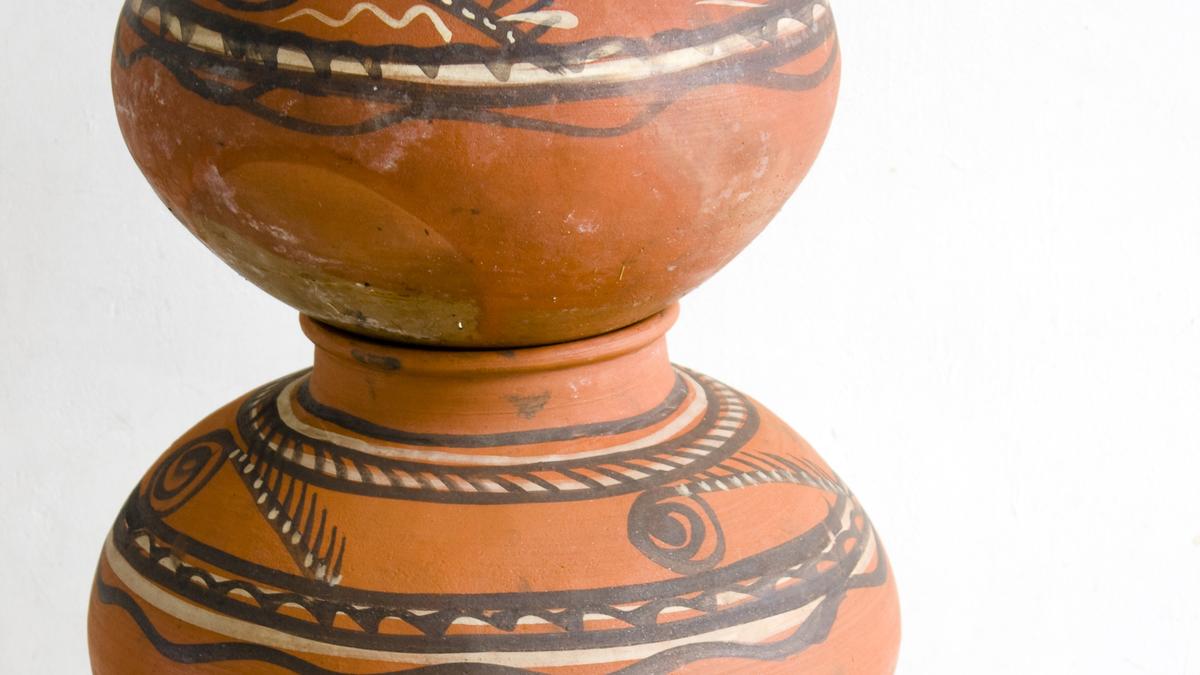
As summer approaches in 2026, an article in The Hindu highlights the enduring utility of the traditional clay pot, or matka, as a natural and sustainable method for cooling water. The piece explains the science behind the matka’s cooling effect, emphasizing the role of evaporation in drawing heat away from the water stored inside. It contrasts this ancient technology with modern, energy-intensive cooling methods, positioning the clay pot as a simple yet effective solution, particularly in hot, dry climates.
Key Points:
- Clay pots cool water through evaporation, a process that requires energy and draws heat from the stored water.
- The porosity of unglazed clay allows water to seep to the surface, facilitating evaporation.
- The shape of the pot enhances surface area for increased evaporation.
- Clay pots are most effective in hot, dry conditions where evaporation rates are high.
- The article positions the clay pot as a sustainable alternative to electricity-dependent cooling methods.
Critical Analysis:
The article’s appearance in the context of other news items from March 28, 2026, reveals an underlying concern about water access and management. The report on water shortages in Neelankarai, the PCMC chief’s warning to developers about water provision, and the general focus on water storage solutions (the article itself) suggest a growing awareness of water scarcity and the need for sustainable practices. The revival of interest in traditional methods like clay pot cooling may reflect a response to these challenges, as communities seek affordable and eco-friendly alternatives.
Key Takeaways:
- Traditional technologies can offer sustainable solutions to modern problems.
- Growing concerns about water scarcity are driving interest in water-saving and efficient cooling methods.
- The simplicity and accessibility of clay pot cooling make it a relevant option for many communities.
- The article highlights a broader trend towards environmentally conscious consumption and resource management.
Impact Analysis:
The renewed focus on clay pot cooling could signal a shift towards more sustainable practices in water management and consumption. This trend could lead to increased demand for locally produced clay pots, supporting traditional artisans and reducing reliance on energy-intensive appliances. Furthermore, the article may encourage individuals and communities to adopt other traditional water conservation methods, contributing to a more resilient and environmentally friendly approach to water resource management.
 First Piper