
Sat Mar 28 22:25:28 UTC 2026: ### India Convenes Ministers to Address West Asia Crisis Impact
The Story:
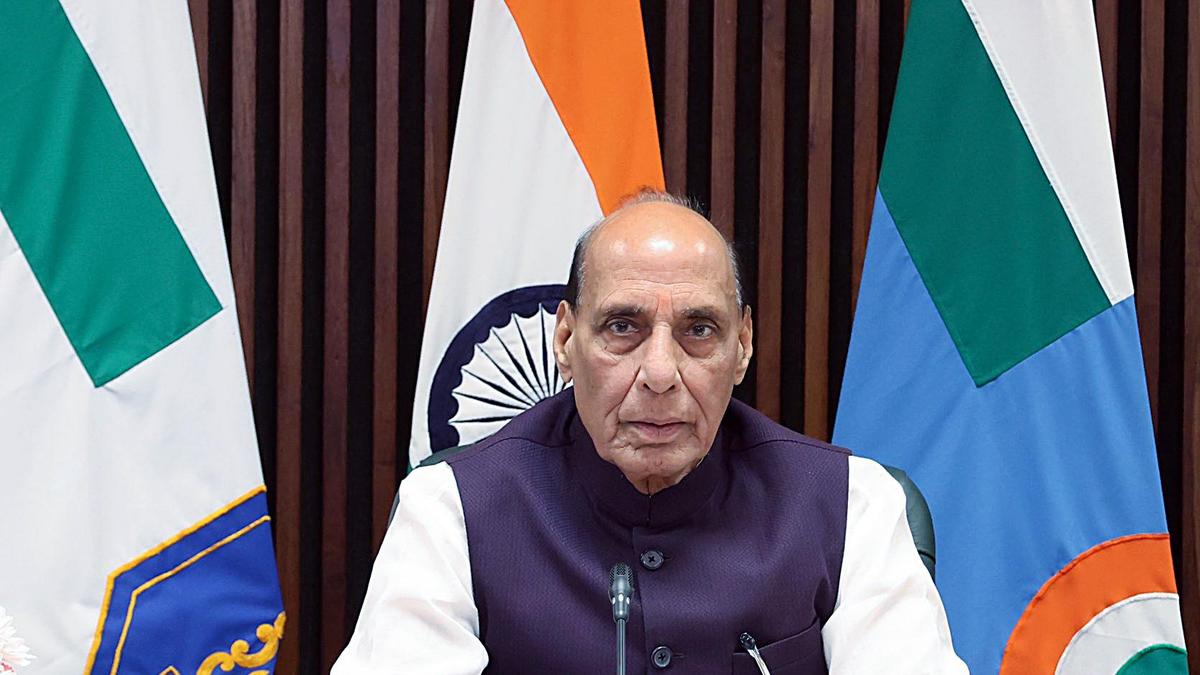
On March 29, 2026, Defence Minister Rajnath Singh chaired the first meeting of an Informal Group of Ministers (IGoM) in New Delhi to assess and mitigate the impact of the escalating crisis in West Asia on India. The IGoM, comprised of several senior ministers, reviewed the risks to energy supplies, the domestic availability of essential commodities, the resilience of critical infrastructure, and the robustness of India’s supply chains. The meeting emphasized a proactive, coordinated, and forward-looking approach to safeguard the Indian people from the conflict’s repercussions.
Key Points:
- The IGoM meeting was held on March 29, 2026, in New Delhi.
- Defence Minister Rajnath Singh chaired the meeting.
- Key ministers including Nirmala Sitharaman, Kiren Rijiju, Hardeep Singh Puri, Manohar Lal, and JP Nadda attended.
- The IGoM assessed the impact of the West Asia crisis on energy supplies, essential commodities, critical infrastructure, and supply chains.
- The government emphasized a proactive and coordinated approach to mitigate potential risks.
Critical Analysis:
The formation of the IGoM and the urgency of the meeting highlight the seriousness with which the Indian government views the escalating situation in West Asia. Given the historical context of rising tensions, particularly the March 28, 2026, Iranian attack on a Saudi base causing American casualties, the IGoM’s focus on energy supplies, essential commodities, and critical infrastructure suggests a concern about potential disruptions to trade routes and resource availability. The timing of this meeting, following PM Modi’s push for ethanol as a shield against an energy crisis (March 28, 2026), further underscores India’s vulnerability and proactive measures to secure its interests.
Key Takeaways:
- The crisis in West Asia poses a significant threat to India’s energy security and supply chains.
- The Indian government is taking proactive measures to mitigate the potential impact of the conflict.
- Coordination among various ministries is crucial to address the multifaceted challenges arising from the crisis.
- India’s reliance on imported energy and essential commodities makes it vulnerable to geopolitical instability in the region.
- The emphasis on vigilance and forward-looking approaches indicates a long-term strategic concern.
Impact Analysis:
The formation of the IGoM signals a shift towards a more centralized and coordinated approach to crisis management in India. This could lead to:
- Increased investments in alternative energy sources: To reduce dependence on volatile oil markets.
- Diversification of supply chains: To minimize disruption risks.
- Strengthening of critical infrastructure: To enhance resilience against potential attacks or disruptions.
- Enhanced diplomatic efforts: To de-escalate tensions and protect Indian interests in the region.
- Potential price increases on essential commodities: If supply chains are significantly disrupted, impacting the Indian populace.
 First Piper