
Sat Mar 28 06:57:30 UTC 2026: ### Delhi Government Coordinates with Centre Amid West Asia Conflict
The Story:
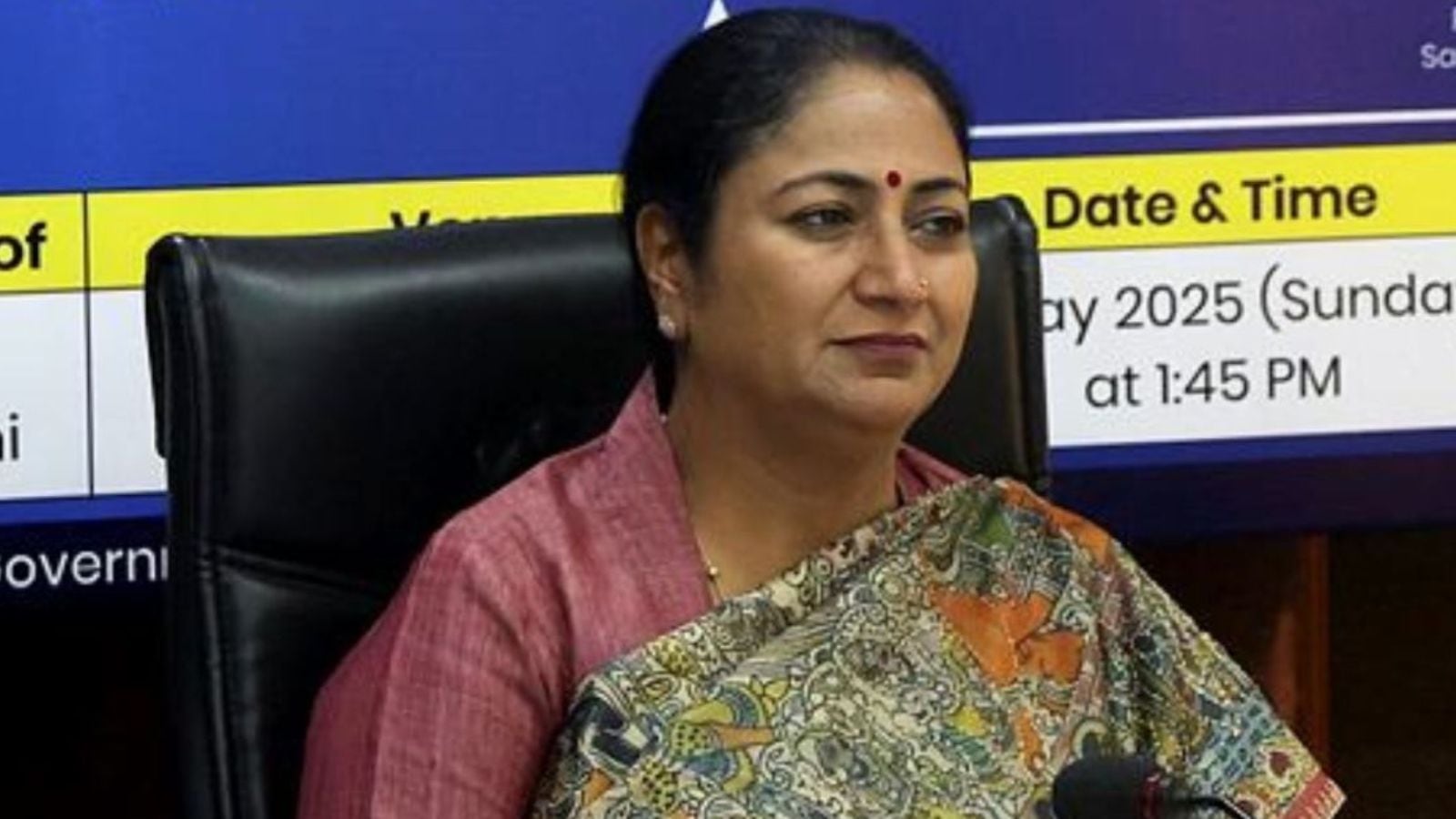
Following a high-level meeting chaired by Prime Minister Narendra Modi, the Delhi government, led by Chief Minister Rekha Gupta, is working closely with the central government to ensure uninterrupted services and smooth arrangements for citizens in light of the ongoing conflict in West Asia. PM Modi emphasized a “shared responsibility” among states and union territories to address the potential impact of the conflict, urging them to collaborate as “Team India.” The government’s priorities include maintaining economic and trade stability, ensuring energy security, safeguarding citizens’ interests, and strengthening industry and supply chains.
Key Points:
- Prime Minister Narendra Modi chaired a high-level meeting with Chief Ministers and Lieutenant Governors to discuss the West Asia conflict.
- The meeting excluded states and union territories going to polls.
- PM Modi stressed the importance of maintaining economic and trade stability, energy security, and the protection of citizens’ interests.
- Chief Minister Rekha Gupta affirmed the Delhi government’s commitment to working with the Centre to mitigate the impact on citizens.
- An Inter-Ministerial Group has been reviewing the situation daily since March 3, 2026.
Critical Analysis:
The flurry of activity – the arrival of a U.S. amphibious assault ship in West Asia, PM Modi’s repeated discussions with the Saudi Crown Prince (March 29, 2026 and March 28, 2026), and the emergency meeting with state leaders – suggests a rapidly escalating situation in West Asia. The focus on economic stability and energy security indicates a concern about the potential disruption to global supply chains and energy markets, highlighting India’s vulnerability to geopolitical instability in the region. The urgency is further underscored by the continuous monitoring by the Inter-Ministerial Group since March 3, 2026.
Key Takeaways:
- The West Asia conflict is being treated as a significant threat to India’s economic stability and energy security.
- The Indian government is adopting a centralized, coordinated approach to managing the crisis, involving both central and state governments.
- The government is prioritizing the protection of its citizens from the potential economic fallout of the conflict.
- The repeated conversations between PM Modi and the Saudi Crown Prince suggest India is actively engaging in diplomatic efforts to address the situation.
- The exclusion of states going to polls from the meeting suggests the government wants to avoid political interference in its crisis management efforts.
Impact Analysis:
The coordinated response and the focus on economic and energy stability suggest a proactive strategy to minimize the conflict’s impact on India. The long-term implications could include:
- Diversification of Energy Sources: India may accelerate efforts to diversify its energy sources to reduce reliance on the volatile West Asia region.
- Strengthening of Domestic Supply Chains: The government may push for greater self-reliance in critical sectors to mitigate supply chain disruptions.
- Increased Diplomatic Engagement: India’s role as a key player in the region may be further solidified through active diplomatic engagement with various stakeholders.
- Potential Economic Adjustments: Depending on the conflict’s duration and intensity, the Indian economy may need to undergo adjustments to adapt to potential trade disruptions and inflationary pressures.
 First Piper