
Sat Mar 28 09:44:55 UTC 2026: ### US Seeks “Honorable Exit” as Iran War Turns into Costly Quagmire
The Story:
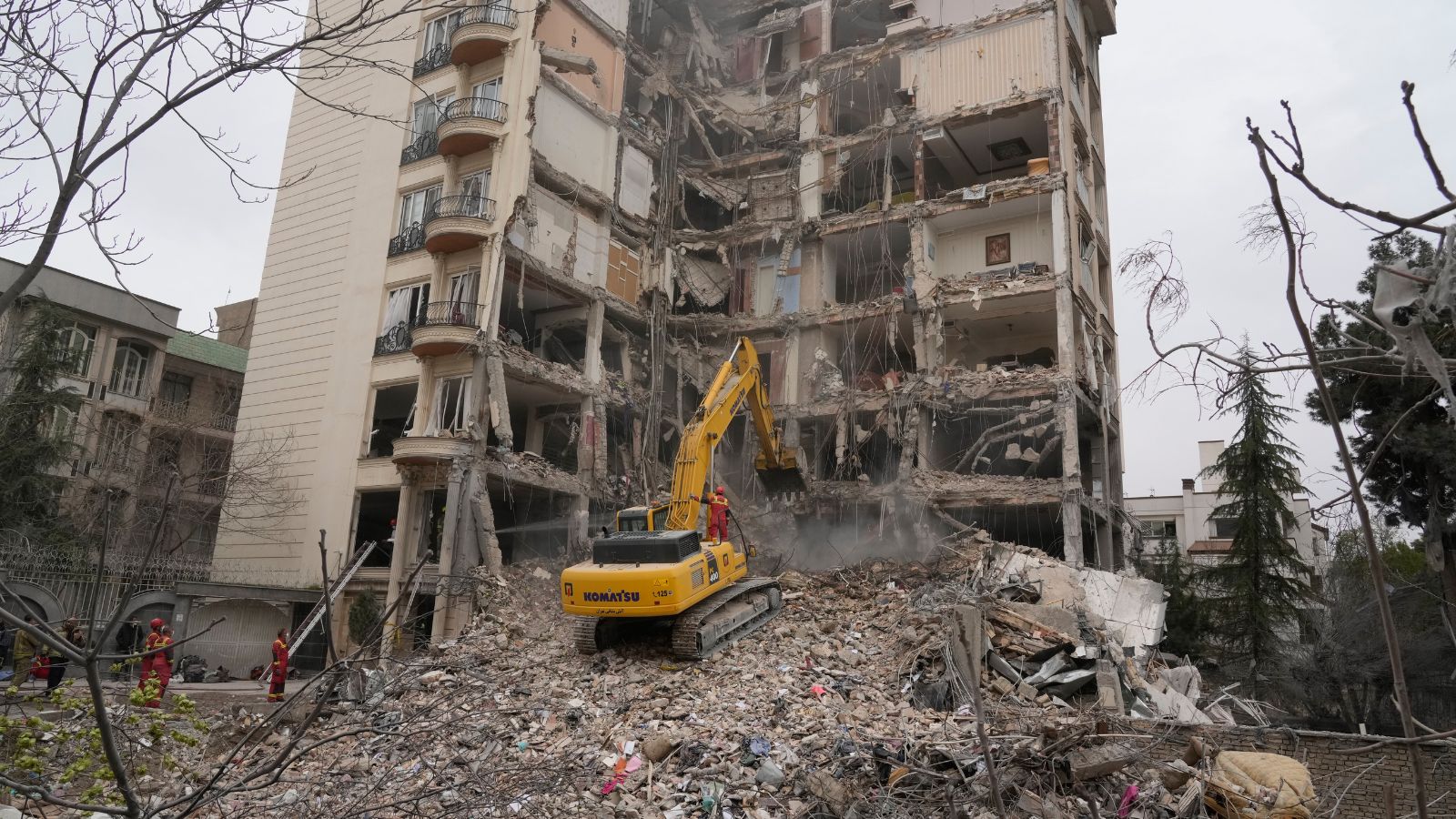
Nearly a month after the commencement of massive airstrikes by the United States and Israel against Iran, aimed at dismantling its nuclear and ballistic missile programs and potentially instigating regime change, the conflict shows no signs of abating. Despite President Trump’s purported desire to de-escalate, the reality on the ground points to a protracted crisis with global economic repercussions. While Iran fights for its survival, the US appears to be searching for a way out of a deepening strategic predicament.
Key Points:
- The US and Israel initiated airstrikes against Iran’s nuclear and ballistic missile programs.
- Early strikes targeting Iranian leadership, including Ayatollah Ali Khamenei and Ali Larijani, failed to achieve regime collapse or surrender.
- The US has spent an estimated $11–13 billion in the first six days of the war, projecting total costs of $60 billion within a month.
- Oil prices have soared from $73 to $120 per barrel, severely impacting the US economy.
- Over 1,500 civilians have been killed in Iran, with over 3.2 million displaced.
- Iran’s missile and drone arsenal has been significantly degraded.
- US allies in the Middle East are increasingly vulnerable.
- European allies rejected Trump’s call for a naval coalition in the Strait of Hormuz.
Critical Analysis:
The article highlights a recurring theme in modern warfare: the difficulty of ending conflicts once they begin, echoing Carl von Clausewitz’s warning. It also reveals a flawed strategic assumption in Washington and Tel Aviv regarding the ability of overwhelming military force to swiftly achieve political objectives. The failure of “decapitation” strikes to produce the desired outcome underscores the limitations of purely military solutions in complex geopolitical situations.
Key Takeaways:
- Military intervention, even with superior force, does not guarantee swift political outcomes.
- Wars can quickly escalate beyond initial expectations, leading to unforeseen consequences.
- Domestic economic and social stability can be severely impacted by prolonged military engagements abroad.
- The reliance on military force without considering long-term political and social ramifications can lead to strategic quagmires.
- Alliances can strain under the pressure of differing strategic priorities and war fatigue.
Impact Analysis:
The ongoing conflict between the US, Israel, and Iran has significant long-term implications:
- Regional Instability: The increased vulnerability of US allies in the Middle East may lead to strategic realignments, altering the region’s security landscape.
- Economic Repercussions: Soaring oil prices and the cost of military operations will continue to strain the global economy and impact consumers.
- Erosion of US Influence: The reluctance of European allies to support US military action signals a potential decline in US influence and a move towards greater strategic autonomy among traditional partners.
- Humanitarian Crisis: The rising civilian casualties and displacement in Iran will exacerbate the humanitarian crisis, requiring international attention and assistance.
- Future Conflicts: The lessons learned from this conflict will likely shape future strategic thinking in both the US and other nations, potentially leading to a more cautious approach to military intervention.
 First Piper