
Sat Mar 28 12:18:53 UTC 2026: ### Global Energy Crisis Deepens as US-Iran Conflict Enters Second Month
The Story:
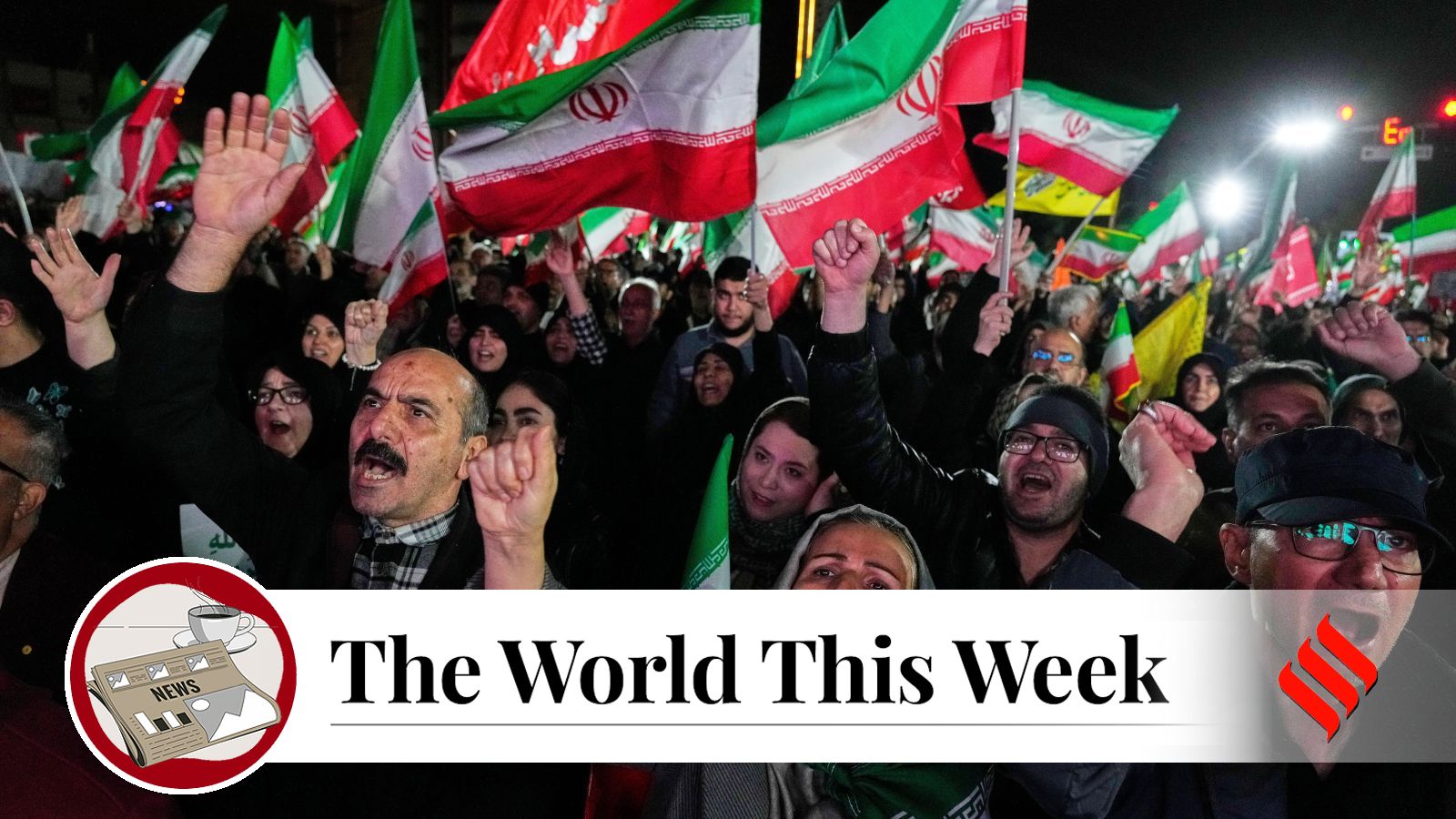
A month-long conflict sparked by US and Israeli “decapitation” strikes against Iran has escalated into a global energy crisis. Despite initial signals of de-escalation, US President Donald Trump has issued contradictory statements, oscillating between winding down operations and threatening to obliterate Iranian power plants. Iran has responded by blockading the Strait of Hormuz, a critical chokepoint for global oil supplies, while selectively allowing passage to “friendly nations.” This disruption has led to an energy crunch exceeding the severity of the 1970s oil crises and the Ukraine war combined.
Key Points:
- The US and Israel initiated “decapitation” strikes targeting Iranian leadership and ballistic missile infrastructure beginning on February 28.
- Donald Trump vacillated between de-escalation and threats to “obliterate” Iranian power plants, postponing strikes multiple times.
- Iran blockaded the Strait of Hormuz, holding a fifth of global energy supplies hostage.
- The International Energy Agency (IEA) chief Fatih Birol characterized the energy disruption as worse than the 1970s oil crises and the Ukraine war combined.
- The US waived sanctions on 130 million barrels of Russian crude and 140 million barrels of Iranian crude to dampen the price effect.
- Over 3,000 lives have been lost since the conflict began.
- Iran has acknowledged communication with Washington via intermediaries: Turkey, Egypt, and Pakistan.
- Iran rejected a 15-point peace plan mediated by Pakistan, demanding reparations and recognition of sovereignty over the Strait of Hormuz.
- Iran threatened to disrupt trade in the Bab al-Mandeb Strait in response to US plans to occupy Kharg Island.
- India reduced Special Additional Excise Duty (SAED) on petrol and diesel by Rs 10 per liter to cushion domestic consumers.
Critical Analysis:
The seemingly erratic behavior of President Trump, oscillating between de-escalation and aggressive threats, is likely a calculated, albeit risky, strategy. The aim may be to create maximum uncertainty and pressure on Iran, forcing them to negotiate on terms favorable to the US and its allies. The waiving of sanctions on oil tankers suggests an awareness of the global economic implications and an attempt to mitigate the crisis while maintaining pressure. However, this move is seen by experts as insufficient to fully offset the impact of the Strait of Hormuz closure.
Key Takeaways:
- The conflict between the US/Israel and Iran has rapidly escalated into a global energy crisis with severe economic consequences.
- President Trump’s inconsistent rhetoric and actions are adding to the instability and uncertainty surrounding the conflict.
- Iran’s control of the Strait of Hormuz gives it significant leverage in the conflict, but also exposes it to potential military action.
- Mediation efforts by countries like Pakistan highlight the international community’s concern about the escalating situation.
- The potential for the conflict to expand beyond Iran, particularly into the Bab al-Mandeb Strait, remains a serious threat.
Impact Analysis:
The long-term impact of this conflict is potentially devastating. The closure of the Strait of Hormuz could trigger a global recession, impacting trade, manufacturing, and consumer prices. The disruption of energy supplies could also lead to political instability in countries heavily reliant on oil imports. The conflict also risks further destabilizing the Middle East, potentially drawing in other regional actors and escalating into a wider war. The credibility of the US as a reliable partner could be undermined by the perceived inconsistencies in its foreign policy. Finally, the conflict could accelerate the shift towards renewable energy sources as countries seek to reduce their dependence on oil
 First Piper