
Sat Mar 28 23:52:02 UTC 2026: # Telangana CM Announces Ambitious Musi Riverfront Development Project, Sparks Controversy
The Story:
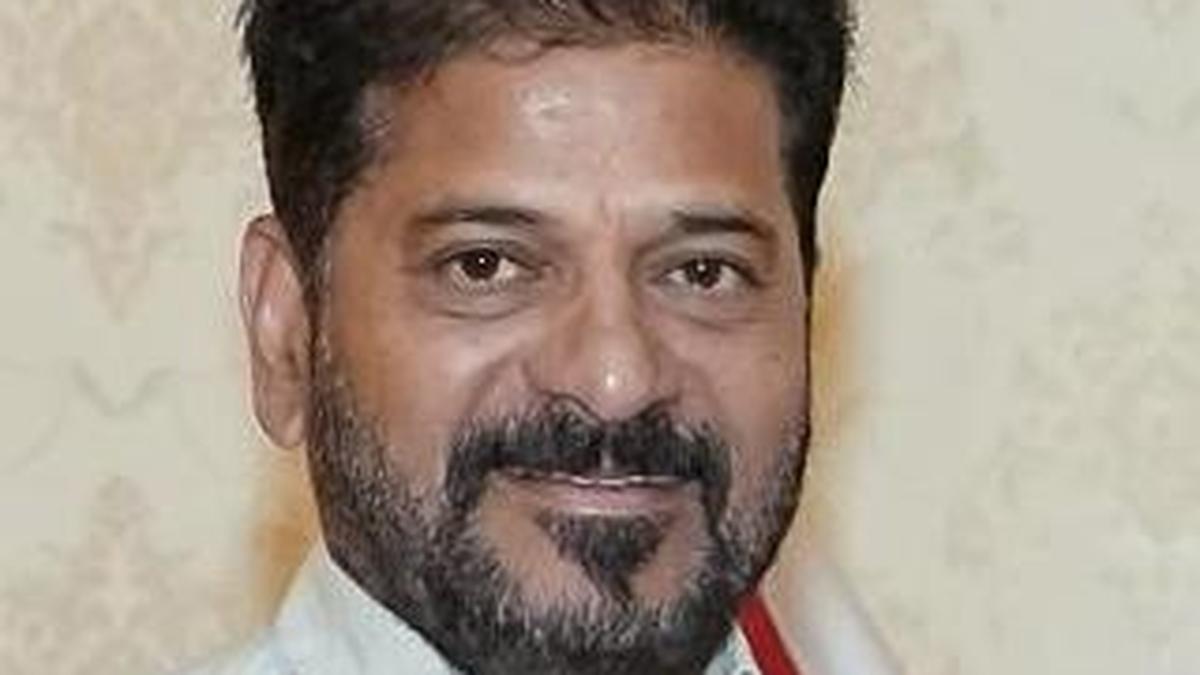
Telangana Chief Minister Revanth Reddy announced the launch of the Musi Riverfront Development Project (MRDP) on March 28, 2026, with plans to construct religious structures representing four major faiths along the Musi River. These include an ‘Omkareshwara Swamy Temple’ and Veerabhadra Swamy temple, a mosque modeled after Mecca Masjid, a Gurdwara akin to the Golden Temple of Amritsar, and a church as grand as the Medak Cathedral. The project aims to revive the Musi and Esi rivers and promote religious harmony.
However, the project has already faced opposition. Mr. Reddy criticized the Bharat Rashtra Samithi (BRS), accusing them of obstructing the project for political gains. He specifically mentioned a case filed against the MRDP in the National Green Tribunal by the son of a BRS leader, P. Sabitha Indra Reddy, and warned that the government would proceed regardless of opposition.
Key Points:
- The MRDP includes the construction of religious structures representing Hinduism, Islam, Sikhism, and Christianity.
- The ‘Omkareshwara Swamy Temple’ will be modeled after the Ramappa Temple of Warangal and built on eight acres at a cost of ₹700 crore.
- Chief Minister Revanth Reddy accused the BRS of obstructing the project for political reasons, referencing a case filed in the National Green Tribunal.
- The Chief Minister emphasized the need to address pollution in the Musi River to alleviate the suffering of people in the Nalgonda district.
- A modern Gaushala (cow shelter) will also be constructed in Yenkapally village.
Critical Analysis:
The announcement of the MRDP and the immediate backlash highlight the complex political landscape in Telangana. Revanth Reddy’s government is asserting its authority and vision for development, directly confronting the opposition BRS. The inclusion of religious structures from multiple faiths is a calculated move to project an image of religious harmony and inclusivity, potentially appealing to a broader electorate. However, the opposition’s environmental concerns, as demonstrated by the legal challenge, suggest a potential battleground over the project’s impact and sustainability.
Key Takeaways:
- The MRDP is a significant infrastructure project with religious and environmental implications.
- Political opposition from the BRS is already present, raising concerns about project delays and modifications.
- The project aims to improve water quality and address pollution issues in the Musi River.
- The government is attempting to portray the project as a symbol of religious harmony.
- The project’s environmental impact will likely be a key point of contention.
Impact Analysis:
The MRDP has the potential to reshape the landscape of Hyderabad and surrounding areas. If successful, it could revitalize the Musi River, improve water quality, and boost tourism. However, the political opposition and environmental concerns could significantly impact the project’s timeline and scope. The outcome of the legal challenge in the National Green Tribunal will be crucial in determining the future of the MRDP. Furthermore, the project’s success in fostering genuine religious harmony remains to be seen, as it could also become a point of contention between different religious communities. The long-term effects on the environment and the displacement of communities, if any, will also need careful monitoring and mitigation.
 First Piper