
Fri Mar 27 13:30:06 UTC 2026: ### Headline: Iran Accuses U.S. of “Calculated” School Strike Amidst West Asia War
The Story:
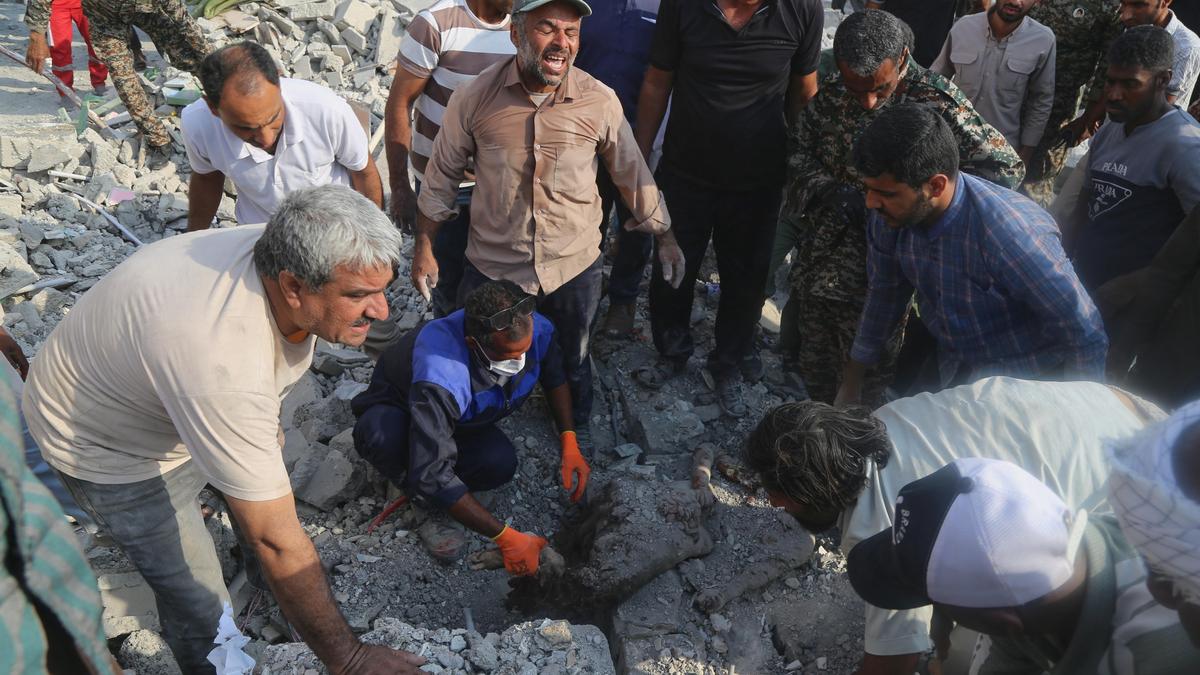
On March 27, 2026, Iran’s Foreign Minister Abbas Araghchi addressed the United Nations Human Rights Council, vehemently condemning a deadly strike on an Iranian elementary school in Minab on February 28, 2026. Araghchi labeled the attack, which resulted in the deaths of over 175 students and teachers, a “calculated” assault by the U.S., characterizing it as a war crime and a crime against humanity. The strike occurred on the first day of the war between the U.S., Israel, and Iran, with the U.S. claiming a Tomahawk cruise missile hit the school due to a targeting error. The UN rights chief Volker Turk called for a thorough and transparent investigation, while President Trump initially suggested Iranian responsibility, despite Iran’s lack of Tomahawk missiles.
Key Points:
- The strike on the Iranian elementary school in Minab occurred on February 28, 2026, during the initial attacks of the West Asia war.
- Iran’s Foreign Minister Abbas Araghchi accused the U.S. of a “calculated” and intentional attack, labeling it a war crime.
- The U.S. military claims the strike was a result of a targeting error involving a Tomahawk cruise missile and outdated data, according to a report by The New York Times.
- UN rights chief Volker Turk has called for a prompt, impartial, and transparent investigation into the incident.
- The Human Rights Council held an urgent debate on the strike, following a previous debate on Iran’s strikes on Gulf neighbors.
- The council previously approved a resolution condemning Iran’s “egregious attacks” on its Gulf neighbors, calling for swift “reparation” to victims.
Critical Analysis:
The accusation by Iran that the U.S. deliberately targeted the school reflects the deep distrust and heightened tensions during the ongoing conflict. The U.S. explanation of a targeting error is unlikely to be accepted by Iran, given the scale of the tragedy and the existing animosity. The timing of the strike, on the first day of the war, further fuels suspicion and makes de-escalation efforts more difficult. The urgent debates at the UN Human Rights Council underscore the international concern over the conflict’s impact on civilians.
Key Takeaways:
- The strike on the Iranian school represents a significant escalation in the West Asia war, with severe humanitarian consequences.
- The conflicting narratives between Iran and the U.S. highlight the challenges in verifying facts and assigning blame in modern warfare.
- The incident has further strained already tense relations between Iran and the U.S., making diplomatic solutions more challenging.
- The call for an independent investigation underscores the importance of accountability and transparency in armed conflicts.
- The urgency of the UN Human Rights Council debates reflects the international community’s concern over the protection of civilians in the conflict.
Impact Analysis:
This event is likely to have long-term repercussions on the already unstable geopolitical landscape of West Asia. The loss of life and the accusations of intentional targeting could fuel further radicalization and retaliatory actions. The incident will also likely impact the future of warfare and the use of precision-guided munitions, potentially leading to stricter protocols and greater scrutiny of targeting procedures. The international community’s response, particularly the findings of any investigation, will be crucial in shaping the future trajectory of the conflict and the relationship between Iran and the U.S.
 First Piper