
Sat Mar 28 08:10:06 UTC 2026: # Middle East Engulfed in Escalating Conflict as Israel and Iran Trade Blows
The Story:
Tensions have reached a boiling point in the Middle East as Israel and Iran engage in direct military conflict. Following weeks of escalating strikes between the U.S. and Israel against Iran, Iran has launched missile attacks against Israel, Saudi Arabia, and the United Arab Emirates. Israel has responded with strikes targeting Tehran and other locations within Iran. The conflict, triggered a month prior by U.S. and Israeli strikes on Iran, is causing widespread disruption to energy supplies, fueling global economic instability and inflation. The U.S. anticipates concluding military operations within weeks, not months, but the widening scope of the conflict is raising concerns.
Key Points:
- Israel is attacking Tehran and defending against missiles from Iran on Saturday, March 28, 2026.
- An Iranian attack on a Saudi Arabian air base wounded 12 U.S. military personnel on Friday, March 27, 2026.
- The war has spread across the Middle East, disrupting energy supplies and impacting the global economy.
- The Houthis in Yemen are threatening to intervene if new allies join the U.S. and Israel or if the Red Sea is used for attacks on Iran.
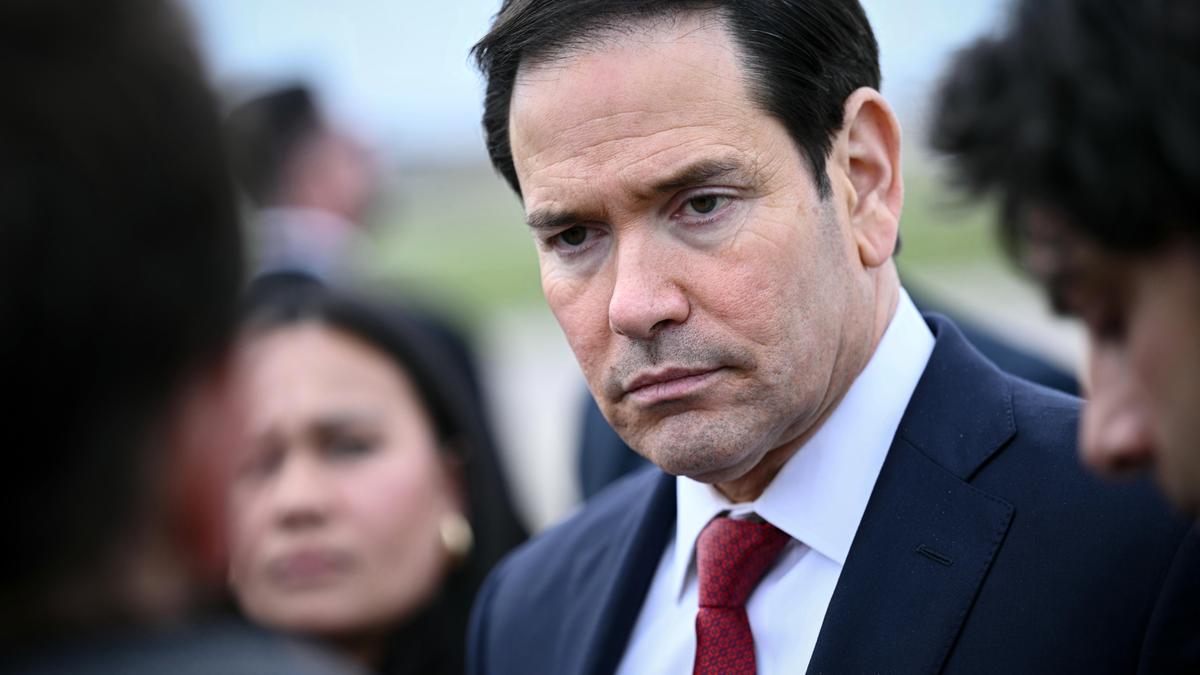
- U.S. Secretary of State Marco Rubio stated that the U.S. expects to conclude military operations within weeks.
- President Donald Trump has criticized traditional allies for not supporting the U.S., questioning NATO’s relevance.
- The U.S. is deploying additional Marines and airborne soldiers to the region.
- Brent crude oil has risen more than 50% since the war began, reaching over $112 a barrel.
- Diesel prices in California have hit a record average high of $7.17 a gallon.
- The U.S. extended a deadline for Iran to reopen the Strait of Hormuz by 10 days or face attacks on its energy grid.
- Iranian media reported that a U.S.-Israeli attack on a residential unit in Zanjan, Iran, killed at least five people.
Critical Analysis:
The article highlights a significant fracture within the Western alliance. President Trump’s open questioning of NATO’s commitment underscores a growing isolationist sentiment within the U.S. administration, potentially reshaping global security dynamics. This divergence in strategic priorities between the U.S. and its allies could have far-reaching consequences for future international collaborations and crisis management.
Key Takeaways:
- The conflict between Israel and Iran is rapidly escalating, drawing in regional actors and increasing the risk of a wider war.
- The U.S. is facing increasing isolation from its traditional allies over its handling of the conflict.
- The war is having a significant impact on the global economy, particularly on energy prices and inflation.
- President Trump’s focus on a quick resolution may be at odds with the complexities of the situation.
- The potential intervention of the Houthis adds another layer of complexity to the conflict.
Impact Analysis:
The escalating conflict between Israel and Iran has the potential for long-term and far-reaching consequences:
- Regional Instability: The conflict could destabilize the entire Middle East, leading to further proxy wars and humanitarian crises.
- Global Economic Recession: Continued disruption to energy supplies could trigger a global recession.
- Shift in Geopolitical Alliances: The rift between the U.S. and its traditional allies could lead to a realignment of global power dynamics.
- Increased Terrorism: The conflict could create opportunities for extremist groups to expand their influence.
- Nuclear Proliferation: The
 First Piper